McCaul pushes Tibet amendment to block China's Dalai Lama succession bid
Synopsis
A senior US Republican lawmaker is pushing a congressional amendment to formally block China from influencing who succeeds the Dalai Lama — framing it not just as religious freedom, but as a national security issue with stakes stretching across Nepal, Mongolia, and India's Himalayan border. The move signals Washington is preparing policy now, before the succession question becomes a crisis.
Key Takeaways
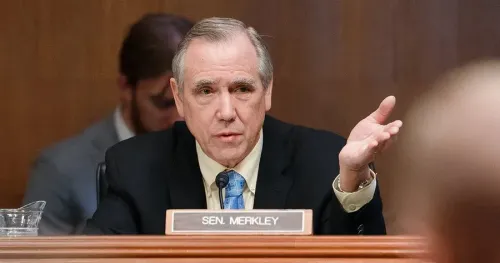
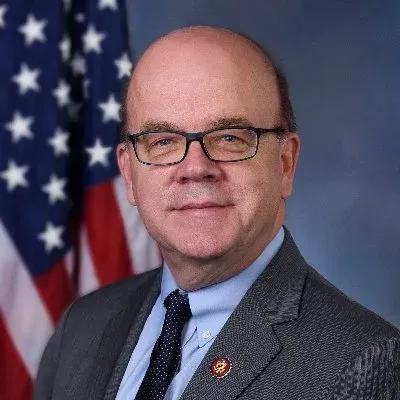
Michael McCaul , Chairman Emeritus of the House Foreign Affairs Committee , introduced an amendment affirming the Dalai Lama's succession is a religious matter for Tibetan Buddhist authorities alone.
The amendment builds on the bipartisan Tibetan Policy and Support Act of 2020 .
McCaul warned that China could install a CCP -loyal 'counterfeit Dalai Lama' to project influence across Nepal , Mongolia , and India's Himalayan border.
He cited a 2007 CCP directive claiming authority to approve reincarnations, calling it extraordinary for an officially atheist government.
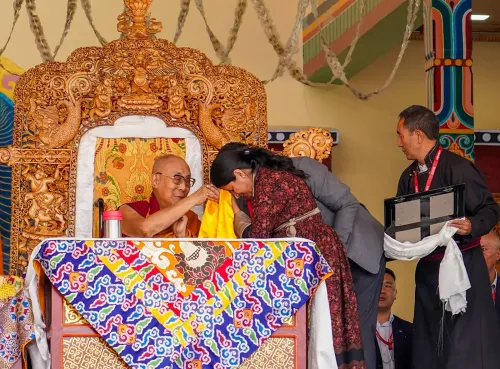
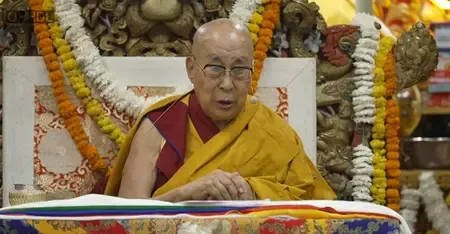
McCaul recounted a 2024 bipartisan visit to Dharamsala, India , where the Dalai Lama said he plans to live to 110 and would 'be reborn in freedom.'
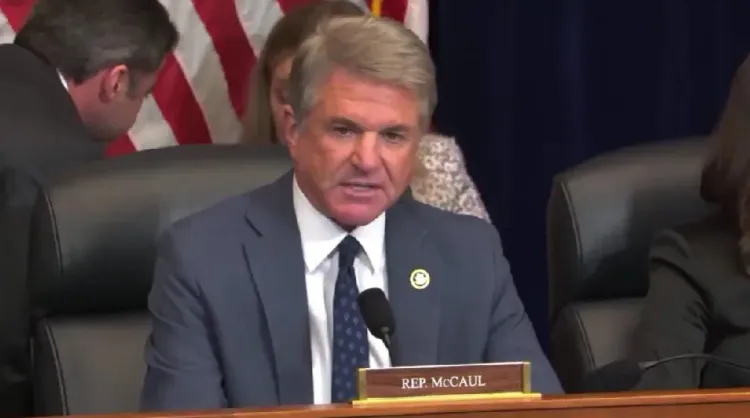
Senior Republican lawmaker Michael McCaul, Chairman Emeritus of the House Foreign Affairs Committee, introduced an amendment this week to cement US policy that the succession of the Dalai Lama is a purely religious matter, to be determined solely by Tibetan Buddhist authorities — not by Beijing. The move comes amid growing concern in Washington that the Chinese Communist Party (CCP) is positioning itself to install a loyalist successor once the current Dalai Lama passes.
What the Amendment Proposes
Speaking during a House Foreign Affairs Committee markup session, McCaul urged bipartisan support for the measure, arguing it would formally affirm that the US government recognises the Dalai Lama's succession as a spiritual process governed entirely by his own office. The amendment, he said, builds directly on the bipartisan Tibetan Policy and Support Act passed in 2020.
'The Dalai Lama has already laid out how his successor is to be recognised after he is gone — placing that authority within his own office and the senior leaders of his faith,' McCaul said. 'My amendment affirms that this is the process that US policy recognises, and the CCP has no role in that.'
McCaul's Meeting in Dharamsala
The Texas Republican drew on a personal encounter to underline the urgency of the issue. 'In 2024, I led a bipartisan delegation to Dharamsala, India, and had the honour of sitting down with His Holiness the Dalai Lama. He is one of the most remarkable persons I have ever met — full of warmth, wisdom, and humour,' he said.
Recalling the exchange, McCaul noted that the Dalai Lama told him he plans to live to 110. 'I hope he's right. But we cannot build American foreign policy on the hope that one man lives forever,' he added. He also quoted the Dalai Lama as saying: 'I will not be reborn in China. I will be reborn in freedom.'
China's Claim Over Reincarnation
McCaul sharply criticised what he described as Beijing's systematic effort to control the succession process. He pointed to a 2007 Chinese Communist Party directive that claimed authority to approve who may or may not be reincarnated — a move he called extraordinary given that China is an officially atheist state.
'Let that sink in — an officially atheist government claiming the power to license reincarnation for the Tibetan people,' he said. He also cited China's recently enacted 'Law on Promoting Ethnic Unity and Progress' as evidence of tightening control over ethnic and religious minorities.
Strategic and Regional Stakes
McCaul framed the succession question not merely as a religious freedom issue but as one with direct national security consequences. He warned that if the US remained passive, Beijing could install what he called a 'counterfeit Dalai Lama' — a figurehead loyal to the CCP rather than the Tibetan people — and use that figure as an instrument of geopolitical influence across the Himalayan region, including in Nepal, Mongolia, and along the border of India.
'This is not only a matter of faith; it is a matter of national security,' he said. The warning carries particular resonance for India, which hosts the Tibetan government-in-exile in Dharamsala and has long navigated complex tensions with China over Tibet and the broader Himalayan frontier.
What Comes Next
The amendment's fate now rests with the full committee and, subsequently, the broader legislative process in Congress. Should it advance, it would add a new statutory layer to existing US Tibet policy, formally placing Washington on record against any CCP role in determining the next Dalai Lama. Observers note that the issue is likely to intensify as the current Dalai Lama, who turned 89 in 2024, ages — and as China's assertiveness in the region shows no sign of abating.
Point of View
The ethnic unity laws — to legitimise a state-approved successor. Washington has largely watched. If this amendment passes, it raises the diplomatic cost of a CCP-anointed Dalai Lama but does not prevent one. The harder question, which the amendment sidesteps, is what the US actually does the day Beijing acts — and whether India, which hosts the Tibetan government-in-exile, is prepared to coordinate a response.
NationPress
26 Oct 2026
Frequently Asked Questions
What is the McCaul Tibet amendment?
It is a congressional amendment introduced by Republican lawmaker Michael McCaul that would formally affirm US policy recognising the Dalai Lama's succession as a religious matter governed by his own office and Tibetan Buddhist authorities, explicitly excluding any role for the Chinese Communist Party. The measure builds on the bipartisan Tibetan Policy and Support Act passed in 2020.
Why is China's role in the Dalai Lama's succession controversial?
In 2007, the Chinese Communist Party issued regulations claiming authority to approve who may or may not be reincarnated — a move critics call extraordinary for an officially atheist state. McCaul and others warn that Beijing intends to use this framework to install a CCP-loyal successor to the current Dalai Lama, effectively co-opting a spiritual institution for political purposes.
What did the Dalai Lama tell McCaul during their 2024 meeting?
During a bipartisan US congressional delegation visit to Dharamsala, India in 2024, the Dalai Lama told McCaul he plans to live to 110 and stated he would 'not be reborn in China' but rather 'in freedom.' McCaul cited these remarks as underscoring the urgency of codifying US policy before the succession question becomes a live crisis.
Why does the Dalai Lama succession matter for India and the region?
McCaul warned that a CCP-installed successor could be used as an instrument of influence across Nepal, Mongolia, and along India's Himalayan border. India hosts the Tibetan government-in-exile in Dharamsala, making it directly exposed to any shift in Tibetan religious authority that Beijing engineers.
What happens next with the amendment?
The amendment was introduced during a House Foreign Affairs Committee markup and must advance through the full committee before reaching a floor vote in Congress. If passed, it would add a statutory layer to existing US Tibet policy, formally placing Washington on record against CCP involvement in determining the next Dalai Lama.