US senators introduce Tibet bill to back exiled govt beyond Dalai Lama era
Synopsis
A bipartisan US Senate bill goes further than any previous Tibet legislation by naming the Gaden Phodrang Trust as the sole authority to recognise future Dalai Lamas — a direct legislative counter to Beijing's succession claims — while also pushing to grant the Central Tibetan Administration observer status at the UN and near-sovereign diplomatic treatment for its officials.
Key Takeaways
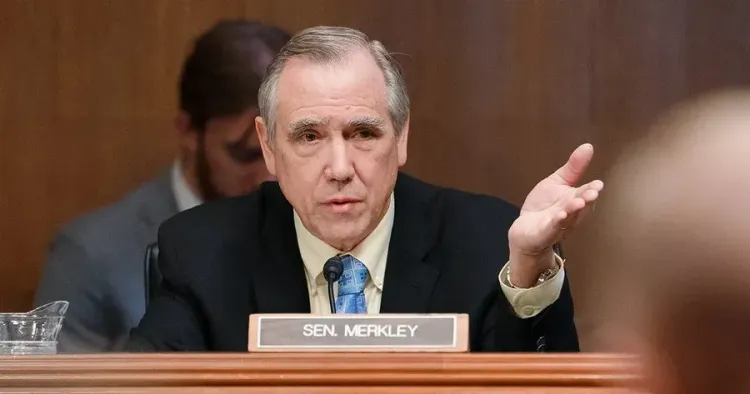
The Assuring the Future of Tibet Act was introduced in the US Senate on 12 August by a bipartisan group led by Senators Jeff Merkley and Jim Risch .
The bill would formally recognise the Central Tibetan Administration as the legitimate representative of the Tibetan people and declare the Tibet-China dispute a US strategic interest.
The Gaden Phodrang Trust is named as the sole authority to recognise future Dalai Lamas, directly countering China's succession claims.
The legislation calls for UN observer status for the CTA and diplomatic courtesies — including potential security arrangements — for the Sikyong .
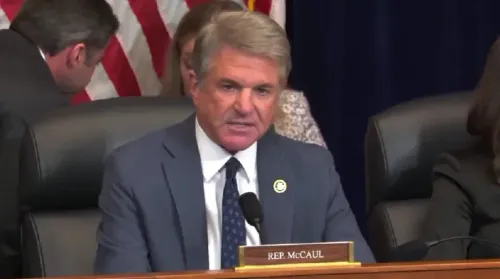
A companion House bill was introduced on 22 May by Representatives Jim McGovern and Michael McCaul ; both must pass in identical form to reach the president.
A bipartisan group of US senators introduced the Assuring the Future of Tibet Act on 12 August, legislation designed to formally deepen Washington's engagement with Tibet's government-in-exile and anchor American support for the Tibetan people well beyond the lifetime of the 14th Dalai Lama. The bill marks one of the most substantive congressional moves on Tibet in recent years, arriving as Beijing's pressure on Tibetan culture and religious institutions intensifies.
What the Bill Proposes
The legislation would formally recognise the Central Tibetan Administration (CTA) as the legitimate representative of the Tibetan people and declare that resolving the Tibet-China dispute is a US strategic interest. It would direct the US Secretary of State to engage at the highest diplomatic levels with the Sikyong — the elected head of the CTA — and other designated Tibetan representatives.
The bill also calls on Washington to advocate for observer status for the CTA at the United Nations and equal access across the UN system. It further seeks to mobilise US allies behind efforts to include the Tibetan administration in relevant international bodies.
Succession and Religious Authority
A particularly significant provision names the Gaden Phodrang Trust as the sole authority empowered to recognise future Dalai Lamas. The clause is a direct counter to China's longstanding claim that it holds the right to select the next Dalai Lama — a dispute that has become a flashpoint in the broader contest over Tibetan religious and cultural identity. By enshrining this in US law, the bill aims to ensure that American recognition of Tibetan religious leadership cannot be co-opted by Beijing after the passing of the current Dalai Lama.
Who Is Behind the Bill
Democratic Senator Jeff Merkley and Republican Senator Jim Risch, chairman of the Senate Foreign Relations Committee, introduced the measure. Senators Jacky Rosen, Todd Young, Tim Kaine, and Rick Scott are listed as original co-sponsors, underscoring its bipartisan character.
'Human rights and basic dignity for the people of Tibet cannot be ignored. Our bipartisan bill sends a clear message that the United States will stand with Tibet in its fight for these fundamental freedoms and the promise of tomorrow,' Merkley said.
Risch framed the bill in sharper geopolitical terms: 'The Chinese Communist Party has sought to erase Tibetan culture, religion, and language, among other grievous actions. What Beijing has done to Tibet, they want to do elsewhere to anyone who defies the CCP. This bill supports the Tibetan people, key partners in pushing back against China's authoritarianism, and counters China's malign influence at the United Nations.'
Diplomatic Courtesies and Institutional Status
The legislation would extend appropriate diplomatic courtesies to the Sikyong, potentially including security arrangements consistent with those provided to a head of government. It also calls for consideration of privileges and immunities for officials of the Tibetan administration — a step that would effectively treat CTA representatives with a status approaching that of a sovereign government's envoys.
Legislative Path and Tibetan Response
The Senate bill is the companion to a House measure introduced on 22 May by Democratic Representative Jim McGovern and Republican Representative Michael McCaul. Both bills must pass their respective chambers in identical form before being sent to the president for signature.
This comes amid a decade of bipartisan congressional action on Tibet, including the Reciprocal Access to Tibet Act, the Tibetan Policy and Support Act, and the Resolve Tibet Act — the last of which supported Tibetan self-determination and called for dialogue between Chinese authorities and the Dalai Lama.
International Campaign for Tibet President Tencho Gyatso welcomed the bill and urged its swift passage. 'At a time when China is accelerating its campaign to erase Tibetan identity, this bill sends a powerful message — that America's support for the Tibetan people, their democratic institutions, and the Tibetan people's right to determine their own future is unwavering,' she said.
Whether the bill clears both chambers in the current congressional session will be closely watched in Beijing, Dharamsala, and world capitals navigating the fault lines of US-China rivalry.
Point of View
Congress is pre-emptively delegitimising any Chinese-appointed successor, a move that transforms a religious dispute into a formal foreign-policy position. What mainstream coverage underplays is that this bill, if enacted, would also set a precedent for treating a government-in-exile with near-sovereign diplomatic status — a template that other contested jurisdictions may eventually cite. The bipartisan consensus on Tibet is one of the few durable areas of US-China policy agreement across administrations, but legislative intent and executive follow-through have historically diverged; the Resolve Tibet Act's call for dialogue, for instance, has yet to produce a single formal round of talks.
NationPress
26 Sept 2026
Frequently Asked Questions
What is the Assuring the Future of Tibet Act?
It is a bipartisan US Senate bill introduced on 12 August that would formally recognise the Central Tibetan Administration as the legitimate representative of the Tibetan people and declare resolving the Tibet-China dispute a US strategic interest. The bill also names the Gaden Phodrang Trust as the sole authority to recognise future Dalai Lamas, countering China's claim over the succession process.
Who introduced the Tibet bill in the US Senate?
Democratic Senator Jeff Merkley and Republican Senator Jim Risch, chairman of the Senate Foreign Relations Committee, introduced the bill. Senators Jacky Rosen, Todd Young, Tim Kaine, and Rick Scott are original co-sponsors.
Why does the bill address Dalai Lama succession?
China has long asserted its right to select the next Dalai Lama, which Tibetan religious authorities and the US reject. By naming the Gaden Phodrang Trust as the sole recognising authority in US law, the bill aims to ensure that American support for Tibetan religious leadership cannot be influenced by Beijing after the passing of the 14th Dalai Lama.
What diplomatic status would the bill grant the Central Tibetan Administration?
The bill would direct the US Secretary of State to engage at the most senior levels with the Sikyong, the elected head of the CTA, and could extend security arrangements consistent with those provided to a head of government. It also calls for consideration of privileges and immunities for CTA officials.
What happens next for the bill to become law?
The Senate bill must pass in identical form to a companion House bill introduced on 22 May by Representatives Jim McGovern and Michael McCaul before being sent to the president for signature. Congress has passed several bipartisan Tibet measures over the past decade, including the Resolve Tibet Act, but the current bill's broader scope makes its passage less certain.