US bill seeks permanent ties with Tibetans after Dalai Lama era
Synopsis
With the Dalai Lama's succession looming as a geopolitical flashpoint, two US lawmakers have moved to cement American support for Tibetan self-determination in law — directly challenging Beijing's claim to control the next Dalai Lama's selection and backing the Dharamshala-based exile government as Tibet's legitimate democratic leadership.
Key Takeaways
Congressman James P.
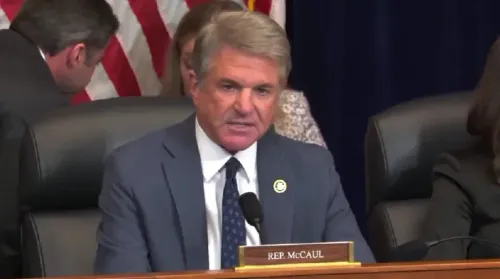
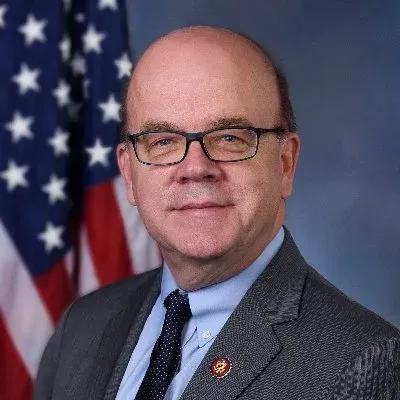
McGovern and Congressman Michael McCaul introduced the 'Assuring the Future of Tibet Act of 2026' on 27 May .
The bill formalises US engagement with the Central Tibetan Administration in Dharamshala as Tibet's legitimate democratic representative.
It directs the US to advocate for observer status for the CTA at the United Nations and other international bodies.
The legislation identifies the Gaden Phodrang Trust as the sole authority to recognise future Dalai Lamas — countering Beijing's succession claims.
The bill asserts Tibetans have been denied their right to self-determination under international law.
Two bipartisan US lawmakers have introduced the 'Assuring the Future of Tibet Act of 2026', legislation designed to lock in long-term American engagement with the Tibetan people and the Central Tibetan Administration (CTA) in anticipation of the eventual passing of the 14th Dalai Lama. The bill, introduced on 27 May, is expected to draw sharp scrutiny from Beijing and close interest from the Tibetan exile community based in Dharamshala, India.
What the Bill Proposes
The legislation was jointly introduced by Congressman James P. McGovern and Congressman Michael McCaul, representing a rare show of bipartisan alignment on a foreign policy issue tied to China. The bill formally backs US engagement with the Central Tibetan Administration — headquartered in Dharamshala — as the legitimate, democratically elected representative of the Tibetan people.
It also seeks to make it official US policy to maintain engagement with Tibetans 'directly and through their democratically-elected leadership and through their religious and cultural leaders.' The bill further directs Washington to advocate for observer status for the CTA within the United Nations system and other international bodies.
What the Lawmakers Said
'Congress has a long-standing abiding interest in resolving the dispute between Tibet and China,' McGovern said in a statement. 'Sadly, the Dalai Lama won't be with us forever. We must ensure that the US government has the authority and the tools to continue its advocacy for the fundamental human rights of the Tibetan people.'
McCaul, who has previously visited Dharamshala, cited the Chinese Communist Party's continued pressure on Tibetan faith and freedom. 'Decades after the Dalai Lama and his people fled the Chinese Communist Party's persecution on a perilous journey to India, the CCP continues to threaten Tibetans' faith and freedom,' he said. He added that the bill would 'permanently cement our commitment to the Tibetan people and guarantee unbreakable ties with their democratic leadership.'
Key Legal Declarations in the Bill
Beyond diplomatic engagement, the bill makes several pointed legal assertions. It declares that the Central Tibetan Administration 'represents continuity of governance of the Tibetan people as established by the Dalai Lama.' It also states that the Tibetan people have been denied 'the ability to exercise their right to self-determination as provided by international law.'
Notably, the legislation identifies the Gaden Phodrang Trust as the 'legitimate and sole authority to identify and recognize Dalai Lamas' — a direct counter to Beijing's longstanding claim that the Chinese government holds authority over the succession process.
Wider Implications
The bill arrives at a moment of heightened geopolitical sensitivity around the Dalai Lama succession question. China has repeatedly insisted it holds the right to select the next Dalai Lama under its own religious affairs regulations, a position rejected by the Tibetan leadership and human rights advocates. This legislation, if passed, would embed US opposition to that claim into statute.
The Tibetan exile government in Dharamshala — which hosts tens of thousands of Tibetan refugees — is likely to view the bill as a significant diplomatic endorsement. How the legislation progresses through Congress, and whether it draws a formal response from Beijing, will be closely watched in the months ahead.
Point of View
Not Beijing, holds sole authority over Dalai Lama succession. That is a direct statutory challenge to China's religious affairs regulations and sets up a potential flashpoint that goes well beyond symbolic solidarity. Washington has passed Tibet-related legislation before, but embedding succession authority into US law raises the stakes considerably. Whether this bill clears the Senate — and whether the administration chooses to enforce its provisions — will determine if it is a genuine policy shift or another well-intentioned gesture that stops short of changing facts on the ground.
NationPress
20 Sept 2026
Frequently Asked Questions
What is the 'Assuring the Future of Tibet Act of 2026'?
It is a bipartisan US bill introduced on 27 May 2026 by Congressmen James P. McGovern and Michael McCaul, aimed at securing long-term American engagement with the Tibetan people and the Central Tibetan Administration after the passing of the 14th Dalai Lama. The bill formalises US support for Tibetan human rights, self-determination, and democratic representation.
Why does the bill reference the Dalai Lama's succession?
The bill anticipates a future without the current Dalai Lama and seeks to ensure US policy continues to support Tibetan leadership regardless. It specifically names the Gaden Phodrang Trust as the sole legitimate authority to identify future Dalai Lamas, directly countering Beijing's claim to control the succession process.
What role does Dharamshala play in this legislation?
Dharamshala in India is the headquarters of the Central Tibetan Administration, the Tibetan exile government. The bill formally recognises the CTA as the legitimate, democratically elected representative of the Tibetan people and backs continued US engagement with it.
How is China likely to respond to this bill?
Beijing has consistently rejected external interference in Tibetan affairs and insists it holds authority over the Dalai Lama succession under its own religious regulations. The bill's explicit assertions on succession authority and Tibetan self-determination are expected to draw a sharp response from China, though an official reaction was not available at the time of reporting.
What would the bill change in terms of US policy at the United Nations?
The legislation directs the US government to advocate for observer status for the Central Tibetan Administration within the United Nations system and other international bodies, a step that would significantly elevate the CTA's international standing if pursued.