US congratulates Penpa Tsering on re-election as CTA Sikyong
Synopsis
Washington has formally backed Penpa Tsering’s second term as CTA Sikyong, with a US official pledging continued engagement with Tibetan democratic leadership. Sworn in before the 90-year-old Dalai Lama in Dharamsala, Tsering has signalled cautious backchannel diplomacy with Beijing while doubling down on the middle-way policy — a delicate balancing act with no easy resolution in sight.
Key Takeaways
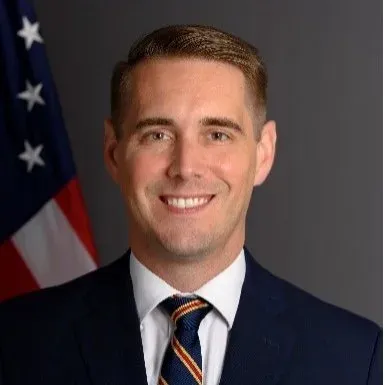
US Assistant Secretary Riley Barnes congratulated Penpa Tsering on his re-election as CTA Sikyong in a statement posted on 28 May .
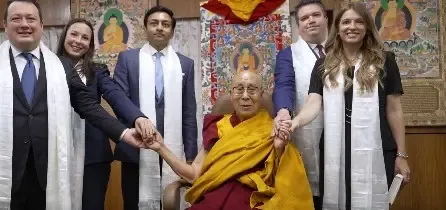
Penpa Tsering was sworn in for his second consecutive five-year term in Dharamsala, Himachal Pradesh , in the presence of the 90-year-old Dalai Lama .
The 17th Kashag has pledged to uphold the middle-way policy — seeking a non-violent, negotiated resolution to the Tibet-China conflict .
Tsering acknowledged limited space for negotiations with Beijing but committed to continuing backchannel communications ‘with caution and steadiness.’ The CTA represents Tibetan people both inside and outside Tibet and operates as a democratically elected government-in-exile.
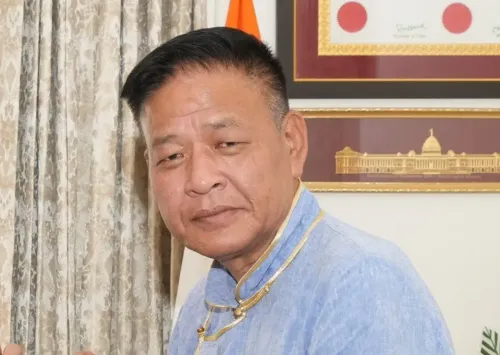
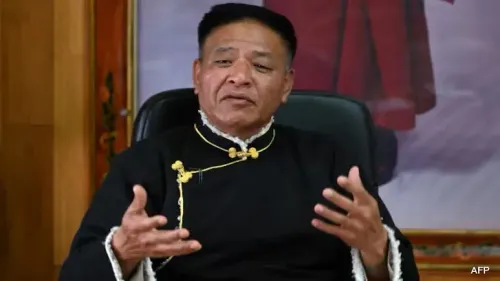
US Assistant Secretary of State for Democracy, Human Rights and Labour Riley Barnes has congratulated Penpa Tsering on his re-election as the Central Tibetan Administration's (CTA) Sikyong (President), reaffirming Washington's commitment to engage with democratically elected Tibetan leaders. The message, shared on 28 May, came days after Tsering was sworn in for his second consecutive five-year term in Dharamsala, Himachal Pradesh.
Washington's Message
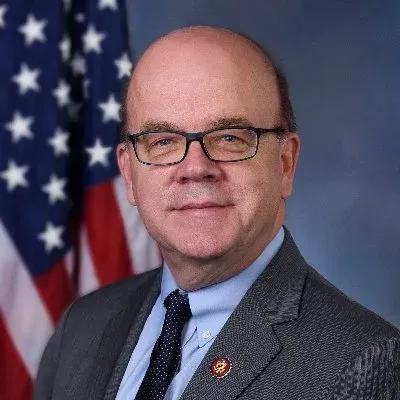
In a statement posted on X, Barnes said: “Congratulations to the Central Tibetan Administration (CTA) and the Tibetan diaspora community on their elections, and to Penpa Tsering on his re-election as the CTA’s Sikyong. The United States will continue to engage with democratically elected Tibetan leaders in support of Tibetans everywhere.”
The statement signals continued US diplomatic attention to Tibetan self-governance at a time of heightened scrutiny over China's policies toward minority nationalities.
Swearing-In in Dharamsala
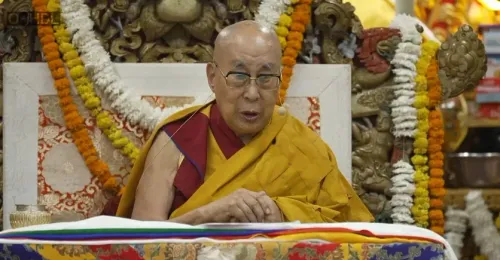
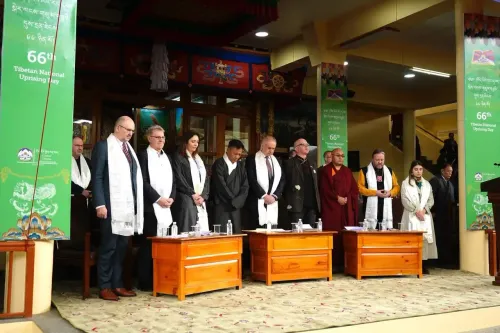
Penpa Tsering was sworn in for his second term on Wednesday in a ceremony held in the northern Indian hill town of Dharamsala. The event was attended by the 90-year-old Tibetan spiritual leader, the Dalai Lama, lending the occasion significance beyond a routine transfer of power. Ahead of the oath-taking, the Dalai Lama also met with members of the outgoing 16th Kashag (Cabinet) to mark the end of their tenure.
Sikyong Tsering's Inaugural Address
In his inaugural address, Sikyong Tsering reaffirmed that the 17th Kashag would keep the thought and counsel of the Dalai Lama at its core. He outlined a dual-track approach: sustaining backchannel communications with the Chinese government while simultaneously strengthening international recognition for the 'middle-way policy' — the Dalai Lama's framework seeking resolution through non-violence, dialogue, and mutual benefit.
“The Kashag will pursue political and social welfare initiatives with the primary goal of long-term sustainability of the Tibetan struggle until a just resolution of the Tibet-China conflict is achieved,” Tsering said.
On Negotiations with China
Tsering was candid about the diplomatic environment. “Given the Chinese government's current policy direction towards the nationalities, there does not seem to be much space for negotiations,” he said, while stressing that the CTA remained “firmly committed” to the middle-way approach. He added that backchannel communications with Beijing would continue “with caution and steadiness.”
This is the second consecutive democratic mandate for Tsering, underlining the CTA’s institutional continuity at a moment when the Dalai Lama’s age and succession questions loom over the broader Tibetan movement. The CTA functions as the representative body of Tibetan people both inside and outside Tibet.
What Comes Next
The 17th Kashag now takes charge with a mandate to balance quiet diplomacy with Beijing against a broader push for international support. How Washington and other democracies translate rhetorical support into tangible policy leverage will be closely watched by the Tibetan diaspora worldwide.
Point of View
Restrained enough to avoid a direct provocation of Beijing. The real question is whether US ‘engagement’ translates into anything beyond rhetoric, particularly as the Dalai Lama’s age makes succession the defining issue of the next Tibetan political chapter. Tsering’s candid admission that China offers ‘little space for negotiations’ is notable: it strips away optimism without abandoning the middle-way framework. The CTA’s durability as a democratic institution is genuine, but its leverage over the Tibet-China conflict remains as constrained as ever.
NationPress
11 Oct 2026
Frequently Asked Questions
Who is Penpa Tsering and what is the Sikyong role?
Penpa Tsering is the democratically elected President, or Sikyong, of the Central Tibetan Administration (CTA), the representative body of Tibetan people inside and outside Tibet. He was re-elected for a second five-year term and sworn in at Dharamsala on Wednesday.
Why did the US congratulate Penpa Tsering?
US Assistant Secretary of State Riley Barnes issued a congratulatory statement on 28 May, reaffirming Washington’s commitment to engage with democratically elected Tibetan leaders. The statement reflects ongoing US diplomatic attention to Tibetan self-governance and rights.
What is the middle-way policy that the CTA follows?
The middle-way policy, envisioned by the Dalai Lama, seeks a resolution to the Tibet-China conflict through non-violence, dialogue, and mutual benefit — stopping short of demanding full independence. The 17th Kashag has reaffirmed its commitment to this framework.
What did Sikyong Tsering say about talks with China?
Tsering acknowledged that China’s current policy direction leaves little space for formal negotiations, but said the CTA would continue backchannel communications with Beijing ‘with caution and steadiness’ while pursuing broader international support for the middle-way approach.
Where was the swearing-in ceremony held and who attended?
The swearing-in ceremony was held in Dharamsala, Himachal Pradesh, and was attended by the 90-year-old Dalai Lama. The Dalai Lama also met with members of the outgoing 16th Kashag ahead of the oath-taking.