Amit Shah: Cabinet clears 2-yr 'Second Tour' for Agniveers
Synopsis
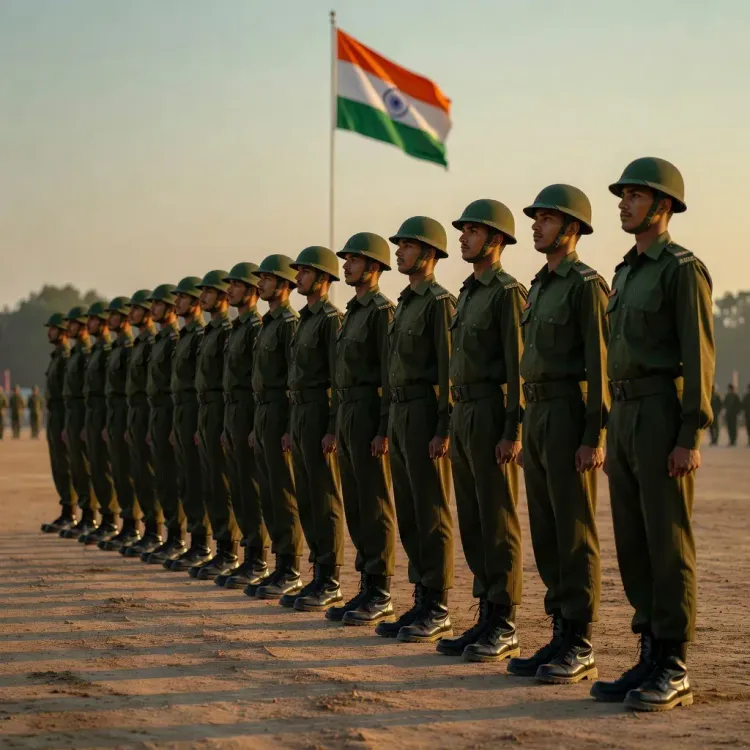
The Union Cabinet has approved a 2-year 'Second Tour of Duty' under the Agnipath scheme, allowing willing Agniveers to extend their service and earn a pathway to regular Army enlistment upon meeting selection criteria — the most significant modification to the 2022 defence recruitment framework yet.
Key Takeaways
The Union Cabinet approved a 2-year 'Second Tour of Duty' under the Agnipath scheme on 4 November 2026 .
All willing Agniveers can now opt for an additional two years of service beyond the original four-year term, taking total tenure to six years .
Agniveers who complete the second tour and meet selection criteria will be eligible for absorption as regular soldiers .
The move is described as aimed at making the Indian Army younger, more skilled, and ready for modern warfare.
The Agnipath scheme was originally launched in June 2022 with a four-year contractual model and a 25 percent permanent absorption quota .
Specific selection criteria and absorption percentages for the second tour are expected in the official gazette notification .
A two-year extension just changed the calculus for every Agniveer in uniform. Union Home Minister Amit Shah announced on Wednesday, 4 November 2026 that the Union Cabinet, under Prime Minister Narendra Modi, has approved a 'Second Tour of Duty' of two years under the Agnipath scheme — and crucially, Agniveers who complete it and meet selection criteria will be eligible for absorption as regular soldiers.
What the cabinet actually approved
Shah's post makes the mechanics clear: any willing Agniveer can now opt for an additional two years of service beyond the original four-year term. That takes their total active tenure to six years. Those who clear the selection criteria at the end of this extended period will be offered a pathway into the regular cadre — a permanent commission in all but name. Shah expressed gratitude to Modi for the decision, calling it one that will make the Indian Army 'younger, equipped with modern military skills, and prepared for the changing nature of warfare.'
The Agnipath backstory — and why this matters now
The Agnipath scheme was launched in June 2022 as a structural overhaul of defence recruitment, replacing the earlier permanent-enlistment model with a four-year contractual tour. The stated goals: trim the ballooning pension bill, pull down the average age of frontline troops, and build a leaner, faster force. But the scheme landed hard. Protests erupted across states, with aspirants arguing that four years was too short a window to build a career and that the 25 percent permanent absorption quota left three-quarters of Agniveers with no guaranteed future in the forces.
Since then, the government has made calibrated adjustments — tweaks rather than reversals — to shore up the scheme's appeal. The Second Tour of Duty is the most significant of these adjustments yet: it directly addresses the two loudest grievances, service duration and the route to permanence, in a single cabinet decision.
From contractual to regular — the new absorption logic
The critical phrase in Shah's announcement is 'all willing Agniveers who meet selection criteria.' The government has not disclosed the exact percentage of Second Tour completers who will be absorbed, nor the specific benchmarks they must clear. The official gazette notification — expected to follow the cabinet approval — will carry those details, and they will determine whether this reform genuinely widens the permanent pathway or remains a selective funnel. What to watch: the selection ratio, the criteria design, and the impact on the next Agnipath recruitment cycle.
What is already clear is the strategic intent: a force that cycles in young talent, filters it over six years rather than four, and retains the best performers as regulars. India's defence planners have consistently pointed to the ageing-profile problem in the Army — this reform is their most direct answer to date.
Point of View
Without formally conceding, that a four-year window was insufficient to satisfy aspirants or fully meet the Army's retention needs. By linking the extended tour to a regular-absorption pathway, the government converts a fixed-term scheme into something closer to a merit-based probationary model, which is a significant ideological shift. The reform also signals that the BJP-led government views incremental adjustment — not repeal — as its political and fiscal strategy for handling Agnipath criticism ahead of future electoral cycles. The devil, however, lies entirely in the selection criteria: a narrow absorption funnel could preserve the original scheme's vulnerabilities even as the headline numbers improve.
NationPress
4 Nov 2026
Frequently Asked Questions
What is the Agnipath Second Tour of Duty approved by the Cabinet?
The Union Cabinet approved an additional 2-year service period for Agniveers under the Agnipath scheme, beyond the original four-year term, taking total service to six years. Agniveers who complete this second tour and meet selection criteria will be eligible to become regular soldiers.
Will all Agniveers automatically become regular soldiers after the second tour?
No. Only Agniveers who complete the second tour of duty AND fulfil the prescribed selection criteria will be offered regular enlistment. The specific benchmarks are expected to be detailed in the official gazette notification.
What is the Agnipath scheme and when was it launched?
The Agnipath scheme was launched in June 2022 to recruit youth into the armed forces on a four-year contractual basis, with up to 25 percent eligible for permanent retention. It replaced the earlier model of direct permanent recruitment.
How many years will an Agniveer serve after the second tour approval?
With the second tour approved, a willing Agniveer can now serve up to six years in total — four years under the original Agnipath term plus two additional years under the newly approved Second Tour of Duty.
What details are still awaited on the Agniveer Second Tour of Duty?
The official gazette notification is expected to specify the exact selection criteria, the percentage of Agniveers likely to be absorbed as regulars after the second tour, and the timeline for the next recruitment cycle under the revised framework.