Rise in Measles Cases in NSW Tied to Southeast Asia Travel: Health Report

Synopsis
A significant uptick in measles cases in New South Wales has been linked to travel to Southeast Asia. With vaccination rates below the herd immunity threshold, health officials emphasize the urgent need for vaccinations to mitigate this outbreak.
Key Takeaways
Recent measles outbreak in NSW linked to Southeast Asia travel.
60 confirmed cases reported between January 2025 and March 2026.
Vaccination rate of 91.2% falls short of herd immunity.
Measles is one of the most contagious diseases globally.
Vaccination is crucial for preventing the spread of measles.
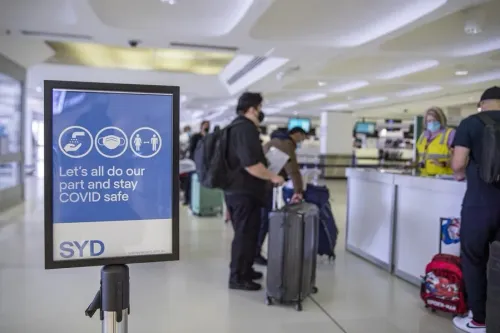
Sydney, March 12 (NationPress) A notable increase in measles cases in New South Wales (NSW), Australia, has been largely attributed to infections contracted during travels to Southeast Asia, according to health officials on Thursday.
The NSW Department of Health revealed in a recent report that there were 60 confirmed measles cases in the state from January 1, 2025, to March 7, 2026.
Out of these cases, 34 individuals caught the measles abroad, with 32 of them having traveled to Southeast Asian nations.
Additionally, 18 cases in NSW were linked to someone who had contracted the virus overseas, while the source of infection for the remaining eight cases is unidentified.
As per the latest statistics from the National Notifiable Disease Surveillance System, which is overseen by the Australian Center for Disease Control, NSW recorded 25 confirmed measles cases in 2026 as of Thursday, in contrast to 37 cases for the entirety of 2025 and 18 in 2024.
Victoria, a neighboring state, has seen 21 measles cases in 2026 compared to 36 in 2025 and 17 in 2024.
Vicky Sheppeard, executive director of Health Protection NSW, stated that this report should act as a crucial reminder of the significance of vaccination.
Currently, Australia's measles vaccination rate among two-year-olds stands at 91.2 percent, according to federal government figures, which falls short of the 92-94 percent national coverage target necessary for achieving herd immunity, as reported by Xinhua news agency.
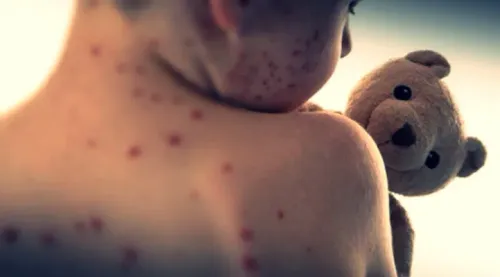
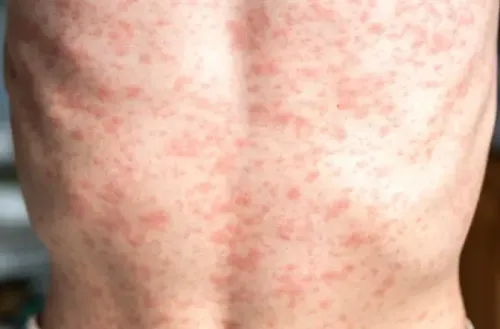
Measles is recognized as one of the most contagious diseases globally, transmitted through contact with infected nasal or throat secretions (such as coughing or sneezing) or inhaling air previously breathed by someone infected. The virus can remain active and contagious in the air or on surfaces for up to two hours, making it highly infectious. One person infected with measles can potentially spread it to 18 others.
The most effective method to prevent measles infection and its spread is through vaccination. The vaccine is safe and helps the immune system combat the virus.
Point of View
It's essential to underscore the public health implications of this measles outbreak in New South Wales. The connection to Southeast Asia travel highlights the need for increased vaccination efforts to protect communities. This situation serves as a reminder of the importance of public health vigilance.
NationPress
25 Sept 2026
Frequently Asked Questions
What is causing the recent rise in measles cases in NSW?
The surge in measles cases in New South Wales is primarily linked to infections acquired during travel to Southeast Asia.
How many measles cases have been reported in NSW recently?
There have been 60 confirmed cases of measles in New South Wales from January 1, 2025, to March 7, 2026.
What is the vaccination rate for measles in Australia?
The measles vaccination rate among two-year-olds in Australia stands at 91.2%, which is below the target needed for herd immunity.
How is measles transmitted?
Measles is highly contagious and spreads through contact with infected nasal or throat secretions, as well as through the air.
What is the best way to prevent measles?
Vaccination is the most effective way to prevent measles infection and its spread.