Bangladesh measles outbreak 2026: Death toll hits 1,155 after eight more children die
Synopsis
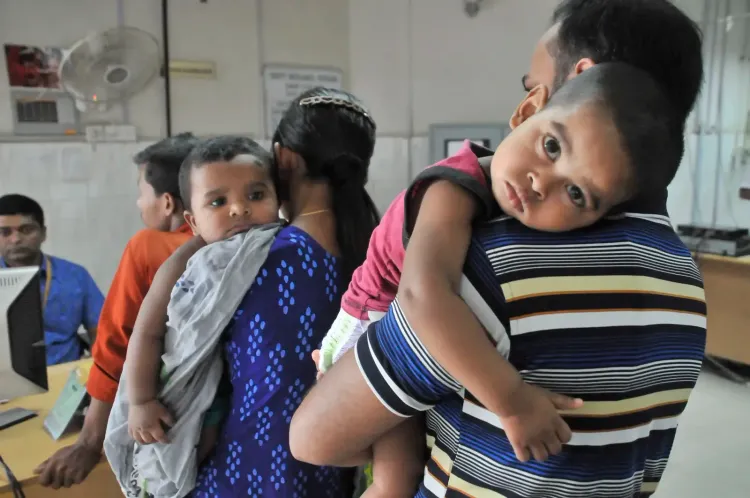
Bangladesh's 2026 measles outbreak has now killed 1,155 people — the vast majority children — and logged over 203,000 suspected cases. A damning international report traces the disaster directly to vaccine supply disruptions and administrative failures between 2024 and 2025. Experts warn the crisis is far from over: the current vaccination drive won't deliver immunity for another three to four weeks, meaning more deaths are expected.
Key Takeaways
Eight more children died of suspected measles on 10 October 2026 , bringing Bangladesh's 2026 death toll to 1,155 .
Of the total deaths, 104 are confirmed and 1,051 are suspected measles fatalities, per the DGHS .
Cumulative suspected cases stand at 203,848 ; confirmed cases total 22,328 .
Bangladesh resumed vaccine procurement via UNICEF in April 2026 , but experts say the outbreak may persist for at least another month .
The Global Centre for Democratic Governance (GCDG) linked the crisis to vaccine supply disruptions and health programme cancellations during 2024–2025 .
Measles is vaccine-preventable, making the scale of the 2026 toll an avoidable public health catastrophe, according to international observers.
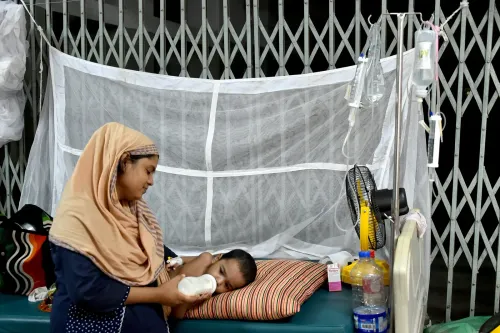
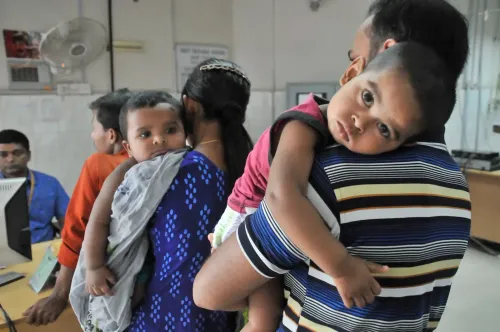
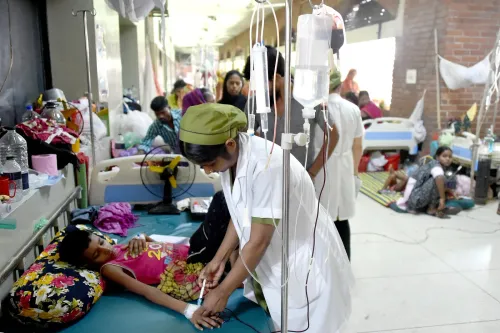
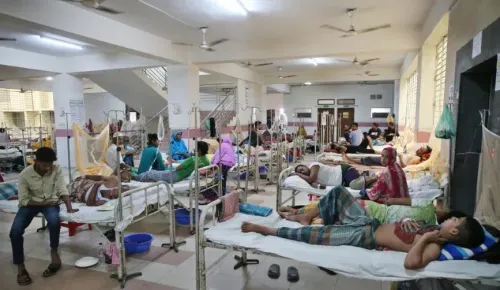
Bangladesh's catastrophic measles outbreak claimed eight more young lives on Saturday, 10 October 2026, pushing the country's total death count for the year to 1,155, according to local media reports. The Directorate General of Health Services (DGHS) confirmed the latest fatalities were recorded within the 24-hour period leading up to Saturday morning.
Scale of the Crisis
Of the 1,155 total deaths recorded in 2026, 104 have been officially confirmed as measles fatalities, while the remaining 1,051 are classified as suspected deaths, according to the DGHS. The eight most recent deaths have also been categorised as suspected cases, Bangladeshi media outlet UNB reported.
The outbreak's breadth is equally alarming. A total of 955 new suspected cases were logged in the same 24-hour window, bringing the cumulative suspected case count to 203,848. An additional 131 confirmed cases were added, raising the total confirmed figure to 22,328.
Why Containment Remains Elusive
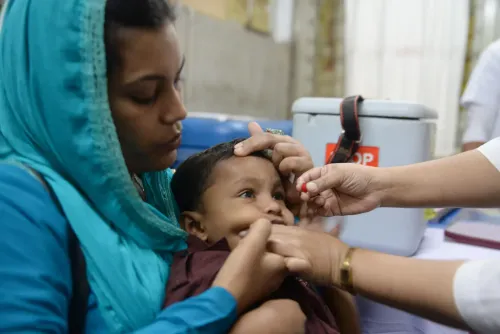
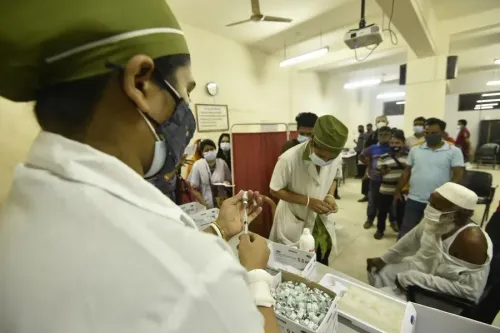
Despite Bangladesh reinstating vaccine procurement through UNICEF in April 2026, followed by an emergency vaccination drive, experts warn the outbreak is unlikely to be quickly contained. Be-nazir Ahmed, former director of disease control at the DGHS, told The Daily Star that the speed of transmission makes rapid suppression improbable.
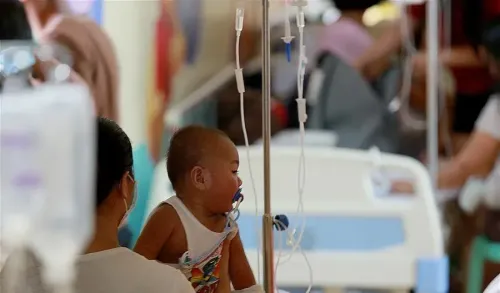
Public health expert Mushtuq Husain offered a sobering timeline, explaining that children generally require three to four weeks after vaccination to build sufficient immunity. 'Therefore, the current wave of infections, hospitalisations and deaths may continue for at least another month,' he said. Last week, public health experts also linked the resurgence to gaps in prior vaccination coverage and weaknesses in hospital management, including delays in detecting and isolating infected children.
Roots of the Outbreak: Vaccine Supply Disruptions
A report by the Canada-based Global Centre for Democratic Governance (GCDG), titled 'Preventable Tragedy: Bangladesh's 2026 Measles Outbreak', described the crisis as one of the country's worst public health emergencies in recent history. The advocacy group noted that while the outbreak appeared sudden to the public, it was not epidemiologically unexpected.
According to the GCDG report, the crisis stemmed from a combination of disruptions to vaccine supply and health programmes during 2024–2025 under the former interim government led by Muhammad Yunus. These included missed routine vaccinations, cancellations of scheduled supplementary immunisation programmes, administrative delays in vaccine procurement, and a failure to promptly identify at-risk populations.
A Preventable Tragedy
The GCDG underscored that measles is a vaccine-preventable disease, making the scale of the 2026 toll particularly stark. The outbreak follows a global pattern — measles resurges most sharply wherever immunisation coverage falls below the 95% herd immunity threshold. Bangladesh's current crisis illustrates how administrative and political disruptions to public health infrastructure can have devastating, delayed consequences for children.
With immunity from the ongoing vaccination drive yet to fully take effect and transmission continuing at pace, health authorities and international observers are bracing for further casualties in the weeks ahead.
Point of View
155 dead and more than 203,000 suspected cases, Bangladesh's 2026 measles outbreak is not a natural disaster — it is a systems failure hiding in plain sight. The GCDG report's finding that the crisis was epidemiologically foreseeable makes the body count harder to accept: the disruptions under the Yunus-led interim government created a predictable immunity gap, and the early-warning signals were apparently ignored. The three-to-four-week lag before vaccine-induced immunity kicks in means the death count will continue to rise even if the emergency drive is executed perfectly from this point forward. The deeper question is institutional: what accountability mechanisms exist for the officials and administrators who cancelled supplementary immunisation programmes during 2024–2025, and what stops the same failure mode from recurring the next time political transition disrupts public health infrastructure?
NationPress
10 Oct 2026
Frequently Asked Questions
What is the current death toll from Bangladesh's 2026 measles outbreak?
As of 10 October 2026, the total death toll from the measles outbreak in Bangladesh has reached 1,155, including eight new deaths reported in the 24 hours to Saturday morning. Of these, 104 deaths are confirmed and 1,051 are classified as suspected measles fatalities by the DGHS.
How many measles cases have been reported in Bangladesh in 2026?
The DGHS has recorded 22,328 confirmed measles cases and 203,848 suspected cases in Bangladesh as of 10 October 2026. A single 24-hour period added 131 confirmed and 955 suspected new cases.
Why is the Bangladesh measles outbreak so severe in 2026?
According to a report by the Canada-based Global Centre for Democratic Governance (GCDG), the outbreak resulted from vaccine supply disruptions, cancellations of immunisation programmes, and administrative delays during 2024–2025. These gaps left a large population of children without adequate protection against a highly contagious but vaccine-preventable disease.
Will the emergency vaccination drive stop the Bangladesh measles outbreak quickly?
Experts say rapid containment is unlikely despite Bangladesh reinstating vaccine procurement through UNICEF in April 2026. Public health expert Mushtuq Husain noted that children need three to four weeks after vaccination to develop sufficient immunity, meaning infections, hospitalisations, and deaths could continue for at least another month.
Who is most affected by the measles outbreak in Bangladesh?
Children are the primary victims of the 2026 Bangladesh measles outbreak. Public health experts have identified children who missed routine and supplementary vaccination as the most at-risk group, with detection and isolation delays in hospitals compounding the toll.