Meng slams US tariff plan covering India, 13 economies
Synopsis
Grace Meng has put Chicago's Little India at the centre of a Washington fight over Trump-era tariffs covering India. The USTR's proposed duties of up to 25 per cent are not yet in force, but CAPAC has pledged to reclaim Congress's trade power in January — a legislative counter to the Section 301 process.
Key Takeaways
Grace Meng on Wednesday criticised proposed US tariffs covering India and 13 other economies.
The USTR has proposed duties of up to 25 per cent on India, net of existing Section 301 tariffs, or 17 per cent if a reciprocal deal is reached.
Meng cited Chicago 's Little India, New York City's Chinatown and Orange County's Little Saigon as communities hurt by the policies.
She said three million AANHPI-owned businesses have been hit, many reliant on imported ethnic and cultural goods.
Written comments are due on 5 January 2027 ; hearings begin on 25 January .
CAPAC members pledged to reclaim Congress's Article I trade authority when the new Congress convenes in January .
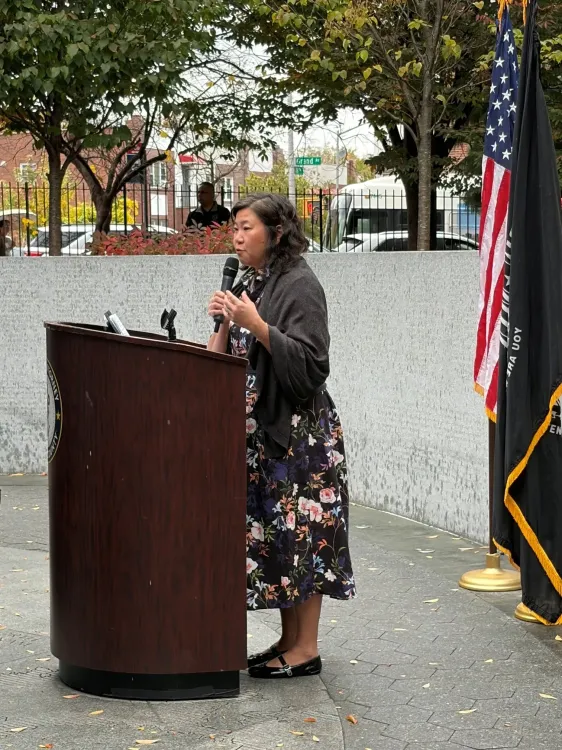
US Congresswoman Grace Meng on Wednesday criticised a proposed American tariff package covering India and 13 other economies, arguing that President Donald Trump's trade policies are squeezing Asian American neighbourhoods from Chicago's Little India to New York City's Chinatown. The New York Democrat, who chairs the Congressional Asian Pacific American Caucus (CAPAC), pledged that lawmakers would move to reclaim Congress's trade authority when the new Congress convenes in January.
What Meng said
Meng said businesses serving Asian American communities depend on imported goods that cannot be produced domestically. In a statement, she said: “From New York City's Chinatown to Chicago's Little India to Orange County's Little Saigon, our communities are being crushed by Trump's failed economic policies and want leaders who will deliver affordability.”
Her criticism followed the Office of the US Trade Representative's announcement proposing tariffs on 14 economies after investigations into manufacturing policies. The proposed duties have not taken effect. Meng accused Trump of doubling down on tariffs that have increased living costs for Asian Americans, Native Hawaiians and Pacific Islanders.
She said: “His reckless trade wars have hit our nation's three million AANHPI-owned businesses especially hard, many of which rely on imported ethnic and cultural goods that cannot be produced domestically.”
What the USTR proposed on India
For India, the USTR has proposed tariffs of up to 25 per cent, net of existing Section 301 tariffs, with exemptions for certain goods. It said it would consider a 17 per cent rate if India reaches a reciprocal trade agreement with the United States that addresses the investigation's findings.
US Trade Representative Jamieson Greer said the proposed action was intended to address those practices and protect American manufacturing. The USTR said its investigations found that policies in the 14 economies contributed to excess manufacturing capacity and production, harming American commerce.
The action is being pursued under Section 301 of the Trade Act of 1974, which allows Washington to respond to foreign government practices it determines unfairly burden or restrict US commerce. Notably, the duties remain proposals. No new rate on India under this package has taken effect.
CAPAC's January pledge
Meng pledged that members of her caucus would seek to strengthen Congress's role in trade policy when the new Congress convenes in January. She said: “Next year, CAPAC members will reclaim Congress's constitutional authority under Article I to regulate trade and work to end these costly tariffs once and for all.”
This comes amid a contest in Washington over whether tariff strategy sits primarily with the White House or with the legislature. Meng's framing links the India-inclusive package to prices in diaspora commercial corridors, including Chicago's Little India, rather than only to factory-floor metrics in the United States.
Hearings, comments and what happens next
Written comments and requests to appear at hearings, accompanied by summaries of testimony, are due on 5 January 2027. Hearings are scheduled to begin on 25 January. Until that calendar runs, Indian exporters and US importers of ethnic and cultural goods face uncertainty rather than a live duty.
A 25 per cent overlay, net of existing Section 301 tariffs, would raise the cost of Indian goods entering the United States, while the 17 per cent alternative is explicitly conditional on a reciprocal trade agreement that addresses the USTR's findings. Communities Meng named — Chinatown, Little India and Little Saigon — would feel any increase first at the shop counter if importers pass costs through.
How far CAPAC can go will depend on the new Congress. The USTR has presented the package as a defence of American manufacturing against excess capacity abroad. The comment window and January hearings are now the immediate arena for New Delhi, US importers and the caucus alike.
Point of View
And a 17 per cent off-ramp tied to a reciprocal deal. The USTR calendar into January 2027 gives India a window, but waiting for CAPAC to reclaim Article I is a thin hedge — Congress has long allowed Section 301 to sit with the executive, and a caucus statement is not a statute. India's interest remains a negotiated rate, not only an affordability framing of Little India.
NationPress
25 Nov 2026
Frequently Asked Questions
What did Grace Meng say about the US tariff plan covering India?
US Congresswoman Grace Meng criticised proposed American tariffs covering India and 13 other economies, saying Asian American communities including Chicago's Little India are being crushed by President Donald Trump's trade policies. She chairs the Congressional Asian Pacific American Caucus and pledged action when the new Congress convenes in January.
What tariffs has the USTR proposed on India?
The USTR has proposed tariffs of up to 25 per cent on India, net of existing Section 301 tariffs, with exemptions for certain goods. It said it would consider a 17 per cent rate if India reaches a reciprocal trade agreement that addresses the investigation's findings.
When will the proposed US tariffs on India take effect?
The proposed duties have not taken effect. Written comments are due on 5 January 2027 and hearings are scheduled to begin on 25 January.
Why did Meng mention Chicago's Little India?
Meng named Chicago's Little India, along with New York City's Chinatown and Orange County's Little Saigon, as communities she said are hurt by the tariff policies. She argued that businesses serving those neighbourhoods rely on imported ethnic and cultural goods that cannot be produced domestically.
What is Section 301 of the Trade Act of 1974?
Section 301 of the Trade Act of 1974 allows Washington to respond to foreign government practices it determines unfairly burden or restrict US commerce. The USTR is using that provision after investigations found that policies in 14 economies contributed to excess manufacturing capacity harming American commerce.