Did PM Modi and Malaysian PM Ibrahim Unite Against Terrorism?
Synopsis
In a pivotal meeting, PM Modi and Malaysian PM Ibrahim condemned terrorism while pledging to enhance cooperation in countering radicalisation. With a focus on transnational crime and maritime collaboration, this partnership aims to strengthen regional stability. Explore how their united front could reshape international counter-terrorism efforts.
Key Takeaways
Strong condemnation of terrorism by both leaders.
Commitment to zero tolerance towards terrorist activities.
Focus on transnational organized crime and information sharing.
Enhanced maritime cooperation and military exercises.
Efforts to streamline worker mobility and improve air connectivity.
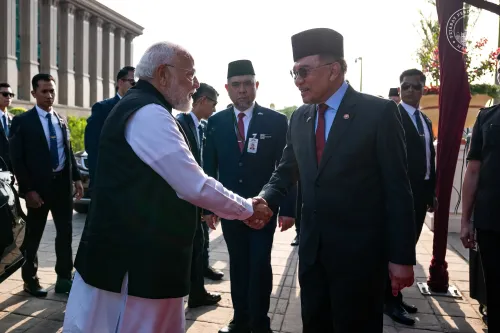
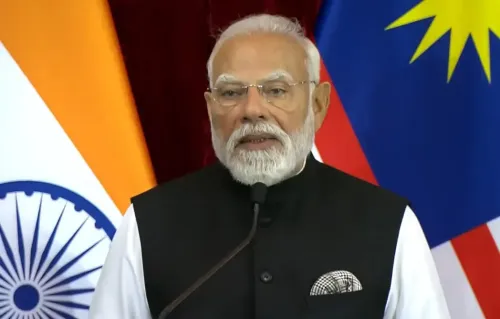
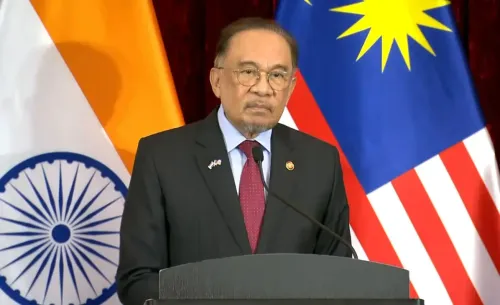
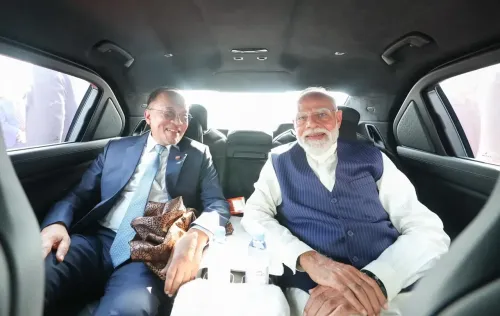
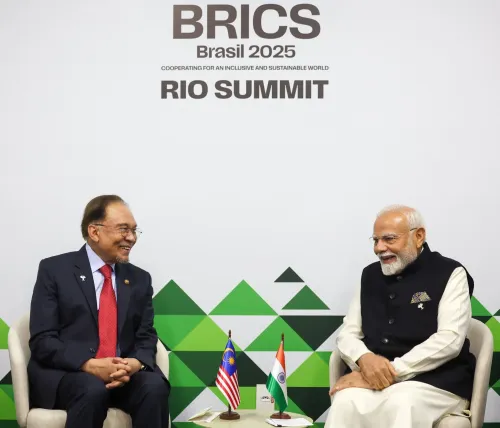
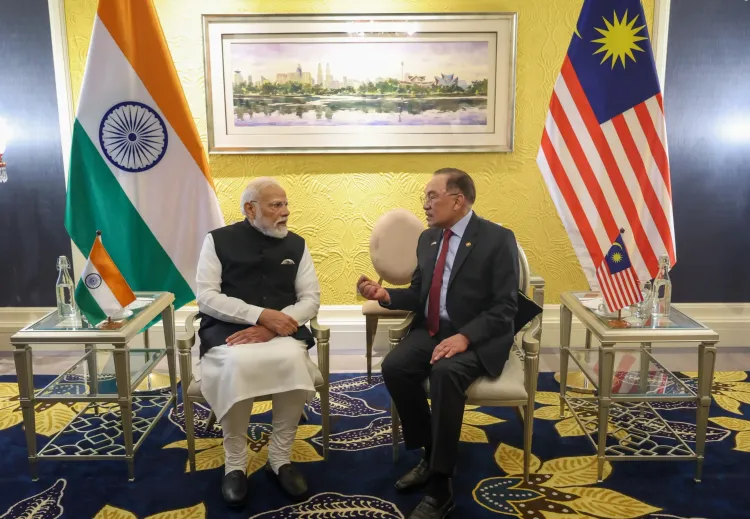
Kuala Lumpur, Feb 8 (NationPress) Prime Minister Narendra Modi and his Malaysian counterpart, Anwar Ibrahim, unequivocally denounced terrorism in all its forms, including cross-border terrorism. The leaders advocated for a zero-tolerance approach towards terrorism and emphasized the need for unified global efforts to address it effectively and sustainably.
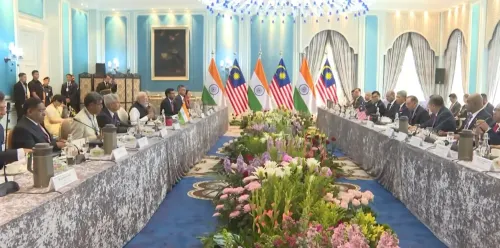
They reached a consensus on tackling radicalisation and violent extremism, thwarting the financial backing of terrorism, and preventing the exploitation of new technologies for malevolent purposes. This will be achieved through collaborative knowledge-sharing, best practice exchanges, and enhancing capacity building, as stated in the joint declaration following their meeting.
The statement highlighted the importance of recognizing the connections between terrorism and transnational organized crime. Modi and Ibrahim agreed to cooperate in this area, including sharing vital information and effective practices. Both leaders reaffirmed their commitment to strengthening bilateral and multilateral alliances to combat terrorism, particularly within organizations such as the UN and FATF.
They expressed contentment with the strong defense collaboration between their nations, which includes regular exchanges, visits, and joint military exercises. They acknowledged the positive outcomes from the Malaysia-India Defence Cooperation Committee (MIDCOM) and its various subcommittees, particularly the establishment of a Strategic Affairs Working Group (SAWG) and the Su-30 Forum.
The leaders praised India’s consistent involvement in the ASEAN Defence Ministers' Meeting Plus framework and welcomed the co-chairing with Malaysia of the Counter-Terrorism Working Group for the 2024-2027 term.
They extended invitations to all ADMM-Plus members for participation in the upcoming Expert Working Group on Counter Terrorism Table-Top Exercise (EWG CT TTX), which will be co-chaired by India and Malaysia in 2026.
Furthermore, Modi and Ibrahim encouraged the enhancement of maritime cooperation between India and Malaysia through regular goodwill and operational deployments. They appreciated recent visits, including the INS Sahyadri to Malaysia's Kemaman in October 2025 and the hydrographic vessel INS Sandhayak to Port Klang in July 2025.
The leaders expressed satisfaction with the ongoing naval interactions, including exercises such as Samudra Laksamana, MILAN, and the ASEAN-India Maritime Exercise (AIME). They also noted the successful conduct of the India-Malaysia Joint Military Exercise, Harimau Shakti, held in December last year.
Additionally, Modi and Ibrahim agreed to streamline the movement of workers and professionals between India and Malaysia, welcoming ongoing visa liberalisation that has enhanced tourist inflows and business travel. They committed to further improving air connectivity between the two nations.
Point of View
This meeting between PM Modi and PM Ibrahim marks a crucial step in fortifying alliances against terrorism. By emphasizing cooperation, they are demonstrating a commitment to peace and security in the region, which aligns with our national interests. Such partnerships are essential for addressing the complexities of modern threats, making it imperative for countries to stand united.
NationPress
2 Oct 2026
Frequently Asked Questions
What was the main focus of the meeting between PM Modi and PM Ibrahim?
The main focus was to condemn terrorism in all its forms and to enhance cooperation in countering radicalisation and transnational organized crime.
How do Modi and Ibrahim plan to combat terrorism?
They plan to combat terrorism through information sharing, capacity building, and a commitment to zero tolerance for terrorist activities.
What initiatives were discussed regarding maritime cooperation?
The leaders discussed increasing maritime cooperation through regular goodwill deployments and military exercises.
What is the significance of the Counter-Terrorism Working Group?
The Counter-Terrorism Working Group, co-chaired by India and Malaysia, aims to enhance collective efforts against terrorism in the ASEAN region.
How will visa liberalization impact India-Malaysia relations?
Ongoing visa liberalization will facilitate increased tourist arrivals and bolster business travel between the two countries, strengthening bilateral ties.