India-Mongolia defence ties: Cyber security centre, Nomadic Elephant 2026 reviewed at 14th JWG meet
Synopsis
India and Mongolia took stock of a quietly deepening defence partnership at the 14th JWG meeting in Ulaanbaatar — reviewing a jointly-built Cyber Security Training Centre and wrapping up the 18th Nomadic Elephant exercise. Mongolia's formal appreciation of India's cyber and language-training support signals the relationship is moving beyond symbolic exercises into tangible capability transfer.
Key Takeaways
The 14th India-Mongolia Joint Working Group on defence was held in Ulaanbaatar on 16 October 2026 .
The Indian delegation, led by Joint Secretary Ishita Ganguli Tripathy , reviewed the Cyber Security Training Centre at the National Defence University, Ulaanbaatar , built with Indian assistance.
Mongolia formally appreciated India's support in language training, cyber security , and capacity building of Mongolian Armed Forces personnel.
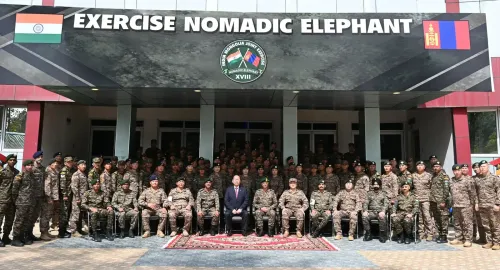
The 18th Nomadic Elephant joint military exercise ran from 21 September to 3 October 2026 at Pithoragarh, Uttarakhand .
Both sides identified new avenues to deepen engagement under the India-Mongolia Strategic Partnership framework established in 2015.
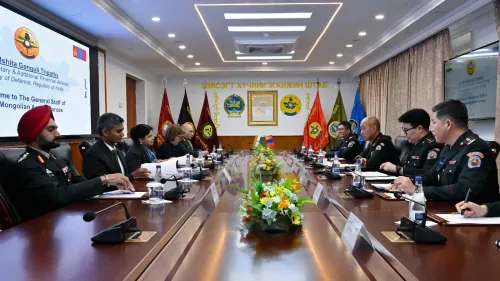
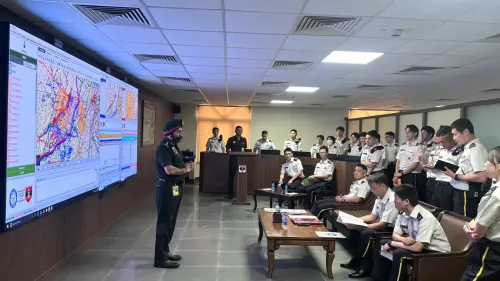
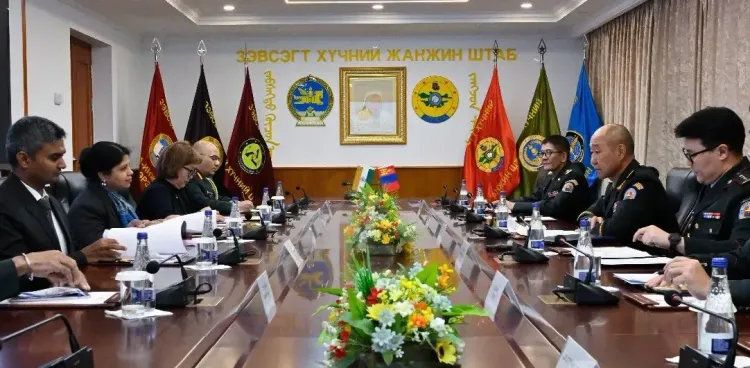
An Indian defence delegation on Friday, 16 October 2026, reviewed the functioning of a Cyber Security Training Centre established with Indian assistance at the National Defence University in Ulaanbaatar, as Mongolia formally appreciated India's continued support in cyber security, language training, and capacity building of its armed forces personnel. The review took place on the sidelines of the 14th India-Mongolia Joint Working Group (JWG) meeting on defence cooperation, held in the Mongolian capital.
Indian Delegation and Key Meetings
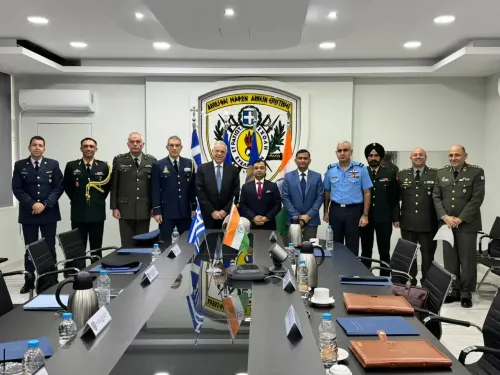
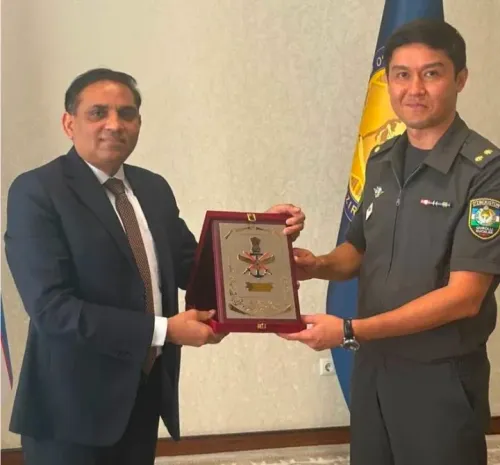
The Indian delegation was led by Joint Secretary in the Ministry of Defence Ishita Ganguli Tripathy. On the margins of the JWG, Ganguli Tripathy held a bilateral meeting with Deputy Chief of the General Staff of the Mongolian Armed Forces, Major General Usukhbayar J. Both sides acknowledged the progress made in defence cooperation and, according to the Ministry of Defence statement, 'identified avenues to deepen engagement, strengthen defence ties and chart a forward-looking agenda for the India-Mongolia Strategic Partnership.'
What the JWG Covered
The 14th JWG meeting was co-chaired by Dr Ganguli Tripathy and Deputy State Secretary of Defence of Mongolia, Brigadier General Gansukh E. Delegates reviewed ongoing bilateral defence cooperation activities, assessed the progress of existing initiatives, and deliberated on expanding cooperation in mutually identified areas. The two sides also exchanged perspectives on regional and international developments — a signal that the partnership is being calibrated against the broader Indo-Pacific security environment.
Mongolian Appreciation for India's Cyber and Training Support
'The Mongolian side appreciated India's continued support in language training and cyber security, underscoring the value of capacity building, knowledge-sharing and deeper defence cooperation in strengthening the Strategic Partnership,' the Ministry of Defence said in its official statement. The Cyber Security Training Centre at the National Defence University represents a concrete deliverable of this partnership, providing Mongolian armed forces personnel with technical skills that are increasingly central to modern military operations.
Nomadic Elephant 2026 and Its Significance
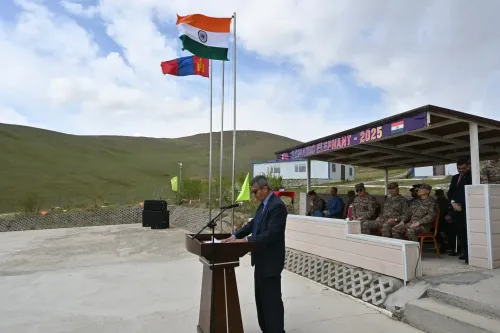
The 18th edition of the India-Mongolia Joint Military Exercise Nomadic Elephant 2026 was formally opened on 21 September at the Foreign Training Node, Pithoragarh, Uttarakhand, and concluded on 3 October. Both delegations at the JWG 'appreciated the successful conclusion of the Nomadic Elephant exercise,' describing it as a showcase of both nations' commitment to strengthening bilateral defence cooperation. The annual exercise, which focuses on counter-insurgency and counter-terrorism operations under a United Nations mandate, has become a cornerstone of the defence relationship.
Historical and Cultural Foundations
The Ministry of Defence noted that 'India and Mongolia share enduring historical, cultural and civilisational bonds, which provide a strong foundation for their contemporary partnership.' Notably, both nations share deep Buddhist ties — a dimension that officials said adds a people-to-people dimension to what is otherwise a formal strategic partnership established in 2015. This visit, according to the ministry, 'highlighted the important role of shared faith and cultural heritage in bringing the two nations closer.' With the JWG now in its 14th iteration, the partnership is maturing steadily, and the expansion of cyber cooperation marks a forward-looking shift beyond traditional military exercises.
Point of View
Making India's quietly expanding defence footprint there more consequential than the bilateral optics suggest. The cyber security training centre is not a routine cooperation deliverable — it is a capability implant in a country that shares borders with both of India's principal strategic rivals. Mainstream coverage tends to reduce India-Mongolia ties to the Nomadic Elephant photo opportunity; the JWG's growing agenda on cyber, language training, and knowledge-sharing tells a more substantive story. The real question is whether India is willing to scale this investment to match the strategic value of the relationship, or whether it remains a low-priority partnership that punches below its geopolitical weight.
NationPress
16 Oct 2026
Frequently Asked Questions
What was discussed at the 14th India-Mongolia Joint Working Group meeting?
The 14th JWG meeting, held in Ulaanbaatar on 16 October 2026, reviewed ongoing bilateral defence cooperation activities, assessed existing initiatives, and explored ways to expand cooperation in mutually identified areas. Both sides also exchanged views on regional and international developments.
What is the Cyber Security Training Centre that India helped establish in Mongolia?
It is a training facility set up with Indian assistance at the National Defence University in Ulaanbaatar, designed to build cyber security skills among Mongolian Armed Forces personnel. Mongolia formally appreciated India's contribution to this centre at the 14th JWG meeting.
What is Exercise Nomadic Elephant and when was the 2026 edition held?
Nomadic Elephant is an annual India-Mongolia joint military exercise focused on counter-insurgency and counter-terrorism operations under a United Nations mandate. The 18th edition was conducted from 21 September to 3 October 2026 at Pithoragarh, Uttarakhand.
Who led the Indian delegation at the Ulaanbaatar JWG meeting?
The Indian delegation was led by Joint Secretary in the Ministry of Defence Ishita Ganguli Tripathy, who also held a separate bilateral meeting with Deputy Chief of the General Staff of the Mongolian Armed Forces, Major General Usukhbayar J.
What is the India-Mongolia Strategic Partnership?
The India-Mongolia Strategic Partnership, established in 2015, forms the formal framework for bilateral defence, diplomatic, and cultural cooperation between the two countries. It is underpinned by shared historical, cultural, and Buddhist civilisational ties, and is reviewed through mechanisms such as the annual JWG on defence cooperation.