India at UN: More women in armed forces key to protecting females in conflict zones
Synopsis
India used the UN Security Council's WPS open debate to make a pointed case: put more women in uniform, protect more women in war zones. With verified conflict-related sexual violence having more than doubled in a year and 750 million women living near conflict, New Delhi backed its argument with two Indian Army majors in South Sudan who have already built the models — and a domestic record that runs from fighter pilots to the Women's Reservation Act.
Key Takeaways
India's Permanent Representative P.
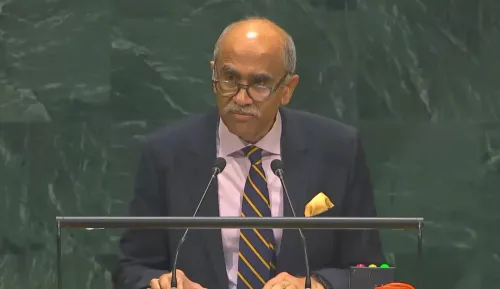
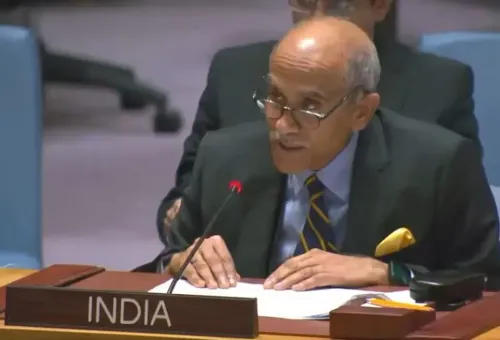
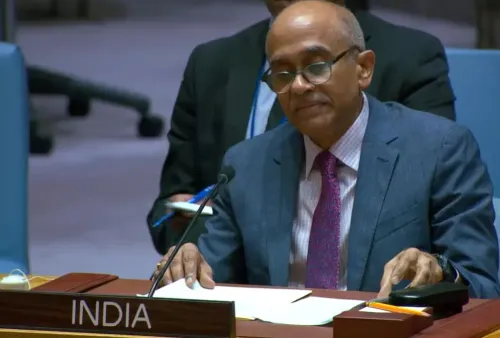
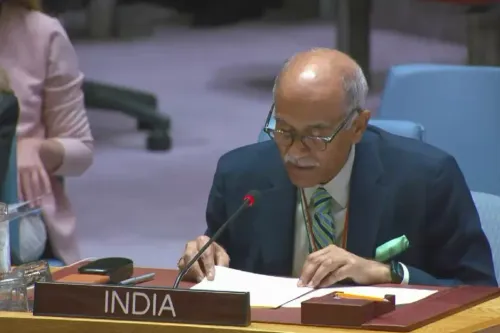
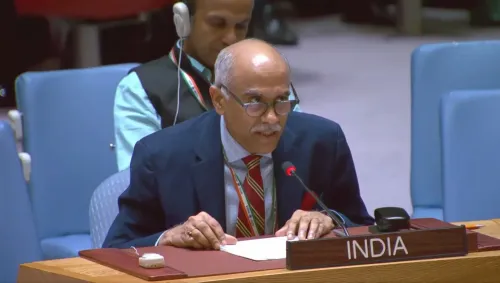
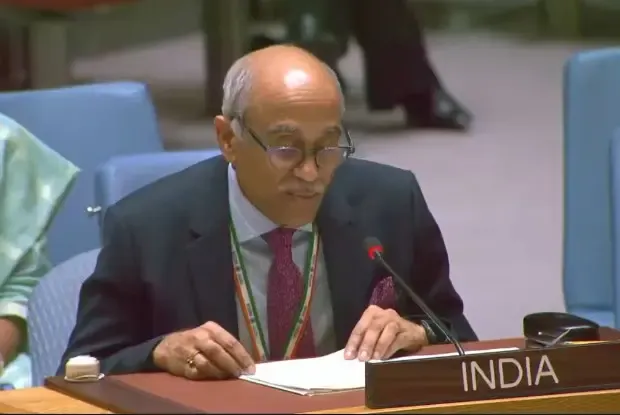
Harish spoke at the UN Security Council WPS open debate on 29 October 2026 , calling for greater representation of women in armed forces.
A UN report found 750 million women and girls live within 50 km of active conflict zones; verified sexual violence cases have more than doubled in a year.
Major Mouiz Yaseen won the UN Military Gender Advocate of the Year Award 2025 for building a victim-centred grievance channel and gender database in UNMISS .
Major Sonia Devendra Nevaskar built UNPOL and Military Best Practice Networks in UNMISS to strengthen the WPS agenda.
India cited the Women's Reservation Act of 2023 and women's induction into all combat streams as evidence of domestic commitment to gender equity in defence.
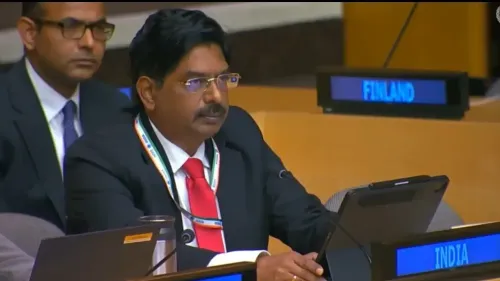
India's Permanent Representative to the United Nations, P. Harish, on Wednesday, 29 October 2026, told the UN Security Council that greater representation of women in armed forces can significantly enhance protection for women and girls disproportionately affected by armed conflicts. Speaking at the Council's open debate on the Women, Peace and Security (WPS) agenda in New York, Harish underscored that conflict-related dangers to women demand structural changes in how peacekeeping forces are composed and trained.
Scale of the Crisis
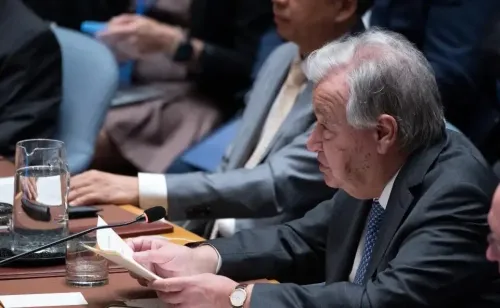
Harish cited two landmark reports to frame the urgency. The report of Pramila Patten, the Special Representative of the Secretary-General (SRSG) on Sexual Violence in Conflict, found that 'sexual violence has become a political weapon in a world increasingly marred by conflicts.' Separately, a report by Secretary-General António Guterres found that 750 million women and girls live within 50 kilometres of active conflict zones.
'Verified cases of conflict-related sexual violence have more than doubled in a year,' Harish told the Council, calling the figures a clear indicator of deteriorating ground realities for women in war-affected regions.
Indian Peacekeepers Leading by Example
Harish highlighted the contributions of two Indian Army majors serving as UN peacekeepers in the UN Mission in South Sudan (UNMISS) as models of effective gender-responsive action on the ground.
Major Mouiz Yaseen, serving as the Force Ombudsperson and Welfare Officer in UNMISS, built an 'accessible, confidential and victim-centred channel for informal grievance reporting' using technology. She also established a Force gender database to support evidence-based, gender-responsive planning, and trained peacekeepers and observers in gender awareness. Her efforts earned her the UN Military Gender Advocate of the Year Award 2025.
Major Sonia Devendra Nevaskar, a focal point for uniformed women and a member of the UNMISS Gender Task Force, built the UNPOL (United Nations Police) and Military Best Practice Networks to strengthen the WPS agenda at a structural level. Harish also noted that the Centre for UN Peacekeeping in New Delhi holds regular training sessions specifically for female peacekeepers.
India's Domestic Reforms in the Armed Forces
Drawing a link between domestic policy and global outcomes, Harish pointed to India's systematic restructuring of its armed forces to enhance women's roles. 'Women get permanent commission as officers and have been inducted into all combat streams,' he said, adding that this commitment 'has opened doors for women, from fighter pilots to military diplomats, and has increased the number of Indian women serving as UN peacekeepers.'
He also referenced the Women's Reservation Act of 2023, which extended the reservation of one-third of seats in national and state legislatures — mirroring what had already been done in local government bodies — as evidence of India's broader commitment to legislated gender equity in leadership.
The Strategic Case for Women in Peace Processes
Beyond security, Harish made a broader argument for women's agency in conflict resolution. 'Women understand local grievances, build common ground and set priorities that go beyond ending conflict to include safety, health, education and other factors of development,' he said. Women's 'empowerment is therefore the clearest path towards sustainable solutions,' he added.
He also endorsed Secretary-General Guterres' finding that women's representation in political leadership and decision-making roles is 'critical to take the WPS agenda forward,' and that 'legislated gender quotas make a clear difference.' With UN member states reviewing WPS commitments ahead of upcoming global reviews, India's statement at the Security Council signals continued diplomatic investment in the agenda.
Point of View
A soft-power showcase, and a domestic policy endorsement. By centering two serving Indian Army officers as global exemplars, New Delhi is converting its still-evolving gender integration in the military into diplomatic capital — at a moment when its UN Security Council ambitions remain active. The harder question the statement sidesteps is scale: India's proportion of women in its armed forces and among UN peacekeepers remains low in absolute terms even as the policy direction is positive. Citing the Women's Reservation Act of 2023 — whose seats reserved for women in legislatures are tied to a delimitation exercise yet to occur — as evidence of potency is a stretch that the Council's more sceptical members will notice.
NationPress
29 Oct 2026
Frequently Asked Questions
What did India say at the UN Security Council on Women, Peace and Security?
India's Permanent Representative P. Harish told the UN Security Council on 29 October 2026 that greater representation of women in armed forces can greatly enhance the WPS agenda and protect women disproportionately affected by conflict. He cited UN data showing 750 million women live near conflict zones and that verified sexual violence cases have more than doubled in a year.
Who is Major Mouiz Yaseen and what award did she receive?
Major Mouiz Yaseen is an Indian Army officer serving as Force Ombudsperson and Welfare Officer in the UN Mission in South Sudan (UNMISS). She built a confidential, victim-centred grievance reporting channel using technology and established a Force gender database; she received the UN Military Gender Advocate of the Year Award 2025 for these contributions.
What is the UN Women, Peace and Security (WPS) agenda?
The WPS agenda is a UN Security Council framework that recognises the disproportionate impact of conflict on women and calls for their greater participation in peace processes, peacekeeping, and post-conflict reconstruction. It is anchored in UN Security Council Resolution 1325, adopted in 2000, and has since expanded through multiple follow-on resolutions.
How has India changed its armed forces to include more women?
India has granted women permanent commission as officers and inducted them into all combat streams, including as fighter pilots and military diplomats. The Centre for UN Peacekeeping in New Delhi also conducts regular training sessions for female peacekeepers, and India cited these reforms as having increased the number of Indian women serving in UN peacekeeping missions.
What is the Women's Reservation Act of 2023 that India cited?
The Women's Reservation Act of 2023 reserves one-third of seats in India's national Parliament and state legislatures for women, extending a quota model that had already been applied in local government bodies. India's representative cited it at the Security Council as evidence that legislated gender quotas produce measurable results in political representation.