Asim Munir's plan to split Pakistan into 15 provinces sparks autonomy fears
Synopsis
Pakistan Army chief Asim Munir is reportedly planning to redraw the country's entire provincial map — splitting four provinces into up to 15 smaller ones. Critics say the move would gut civilian party strongholds, supercharge military dominance, and risks repeating the political missteps that cost Pakistan its eastern wing in 1971.
Key Takeaways
General Asim Munir is reportedly considering dividing Pakistan's four provinces into 12 to 15 smaller provinces , according to a Khaama Press report.
Critics argue the plan would weaken PML-N's hold over Punjab and PPP's dominance in Sindh , consolidating military power.
Pakistani President Asif Ali Zardari imposed emergency rule in Khyber Pakhtunkhwa on 11 October , suspending the PTI -linked provincial government.
The restructuring would require constitutional amendments and approval from provincial assemblies — a significant legal and political barrier.
The report draws a cautionary parallel with events leading to Bangladesh's independence in 1971 , while warning against treating the comparison as inevitable.
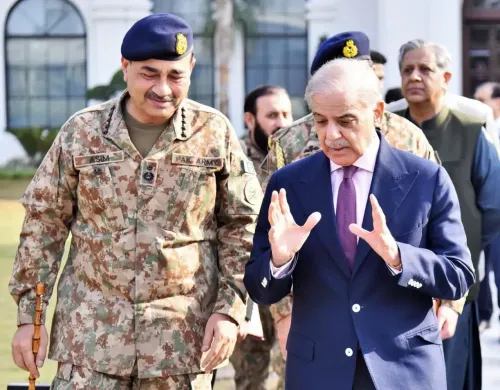
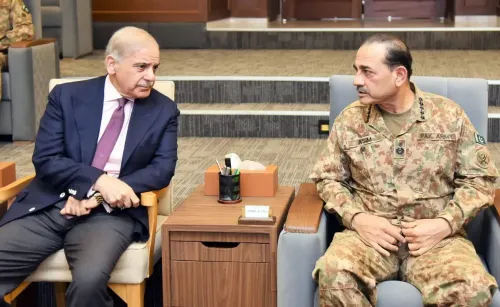
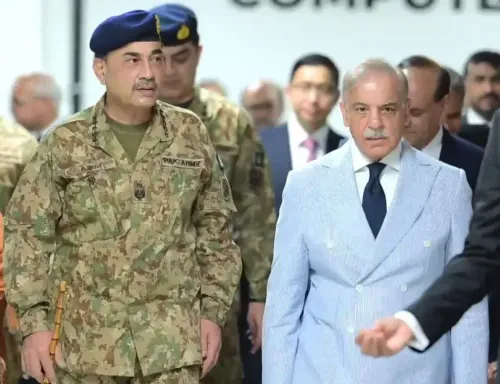
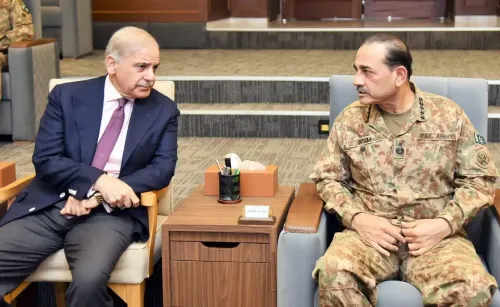
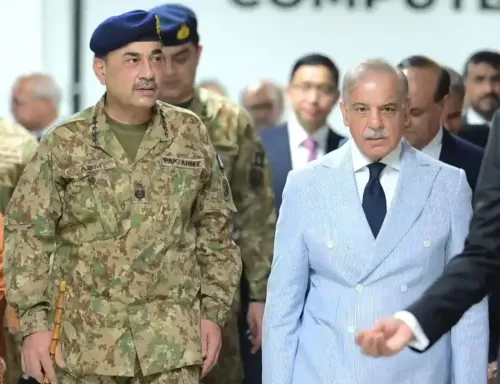
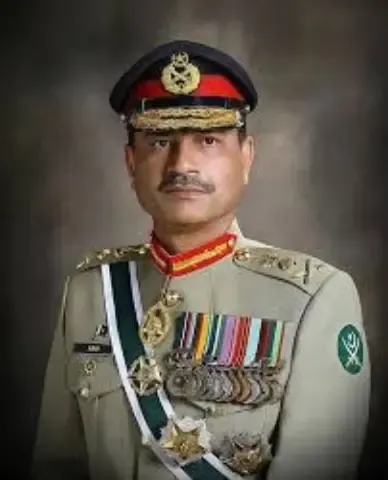
Pakistan Army chief General Asim Munir is reportedly weighing a sweeping restructuring of the country's administrative map that could redraw Pakistan's four provinces into as many as 12 to 15 smaller units, according to a report by Afghanistan's Khaama Press. The proposal has triggered widespread concern over the erosion of provincial autonomy and the military's deepening grip on civilian governance.
The Proposed Restructuring
Pakistan's current provincial structure — comprising Punjab, Sindh, Khyber Pakhtunkhwa (KPK), and Balochistan — has remained intact since the country's creation in 1947. Critics argue that subdividing these provinces would systematically weaken the two dominant civilian parties: Punjab is a stronghold of the Pakistan Muslim League-Nawaz (PML-N), while Sindh has traditionally been a bastion of the Pakistan Peoples Party (PPP). According to the Khaama Press report, breaking these blocs apart could strip both parties of their ability to act as political counterweights to the federal centre — effectively tilting the balance of power further toward the military establishment.
Military's Expanding Role in Civilian Politics
The report underlines that General Munir's growing involvement in political decision-making has visibly extended military influence beyond the barracks, with civilian leaders drawing mounting criticism for their perceived inability to check the armed forces. The concern is not new: analysts have long warned that Pakistan's civil-military imbalance corrodes democratic accountability. What is notable is the scale of what is now reportedly being considered — a constitutional redrawing that would require parliamentary supermajorities and approval from the provincial assemblies themselves, making it both legally arduous and politically explosive.
Khyber Pakhtunkhwa and Balochistan: Different Crises, Same Pressure
The two most restive provinces present distinct challenges, the report noted. Khyber Pakhtunkhwa faces militant violence, ongoing security operations, and deep public frustration over insecurity, but separatism is not its primary political demand. Balochistan, by contrast, carries a long-running insurgency rooted in grievances over autonomy, resource control, enforced disappearances, and persistent military operations, with separatist groups actively seeking independence. Treating these fundamentally different situations under a single administrative restructuring, critics argue, risks inflaming both.
Emergency Rule and the PTI Flashpoint
The backdrop to the restructuring debate has been sharpened by Pakistani President Asif Ali Zardari's imposition of emergency rule in Khyber Pakhtunkhwa on 11 October, following a recommendation from the federal cabinet. The move suspended the provincial government associated with jailed former Prime Minister Imran Khan's Pakistan Tehreek-e-Insaf (PTI). While Islamabad cited security grounds, PTI representatives denounced the action as illegitimate, deepening tensions between the federal establishment and the opposition-held province.
The Bangladesh Warning and What Comes Next
The Khaama Press report drew a cautionary parallel with Pakistan's own history, noting that the country's failure to address political grievances — and its resort to military repression — ultimately led to Bangladesh's independence in 1971. However, the report was careful to qualify the comparison: 'The comparison is therefore best understood as a warning about the possible consequences of weakened civilian institutions, rather than evidence that Pakistan is destined to experience the same outcome.' Sindh, which has long opposed any attempt to divide the province, is expected to be a particularly firm obstacle to any broader reorganisation. Whether the proposal moves beyond the planning stage will depend on whether the military can secure constitutional amendments and the near-impossible parliamentary consensus the restructuring would demand.
Point of View
But a constitutional restructuring of this scale would institutionalise that imbalance in ways difficult to reverse. The Bangladesh parallel is uncomfortable precisely because it is not about separatism — it is about what happens when a state consistently substitutes military management for political accommodation. The fact that this proposal is even being discussed signals how far the civilian check on military power has eroded.
NationPress
21 Oct 2026
Frequently Asked Questions
What is Asim Munir's plan to restructure Pakistan's provinces?
Pakistan Army chief General Asim Munir is reportedly considering splitting Pakistan's existing four provinces — Punjab, Sindh, Khyber Pakhtunkhwa, and Balochistan — into as many as 12 to 15 smaller administrative units. The proposal, reported by Afghanistan's Khaama Press, has raised serious concerns about provincial autonomy and the military's growing role in civilian governance.
Why is the plan considered a threat to civilian politics?
Critics argue the restructuring would fragment the geographic strongholds of Pakistan's two main civilian parties: Punjab is the base of PML-N and Sindh is dominated by PPP. Dividing these provinces would weaken both parties' ability to act as counterweights to the federal establishment, effectively deepening military control over the country's political structure.
What are the constitutional hurdles to splitting Pakistan's provinces?
Redrawing provincial boundaries in Pakistan requires constitutional amendments, broad parliamentary support, and crucially, approval from the provincial assemblies directly affected. Sindh has historically opposed any attempt to divide the province, making the proposal legally complex and politically contentious.
What happened with emergency rule in Khyber Pakhtunkhwa in October 2026?
Pakistani President Asif Ali Zardari imposed emergency rule in Khyber Pakhtunkhwa on 11 October, on the recommendation of the federal cabinet. The move suspended the provincial government linked to jailed former Prime Minister Imran Khan's PTI. PTI representatives condemned the action as illegitimate, sharpening the standoff between Islamabad and the opposition-led province.
Why are analysts comparing the situation to Bangladesh's independence in 1971?
The Khaama Press report noted that Pakistan's earlier failure to address political grievances — combined with military repression — culminated in the separation of its eastern wing as Bangladesh in 1971. However, the report cautioned that the comparison should be read as a warning about the dangers of weakening civilian institutions, not as a prediction that Pakistan faces the same outcome today.