North Korea FM rejects G7 denuclearisation call, vows 'steadfast' nuclear pursuit
Synopsis
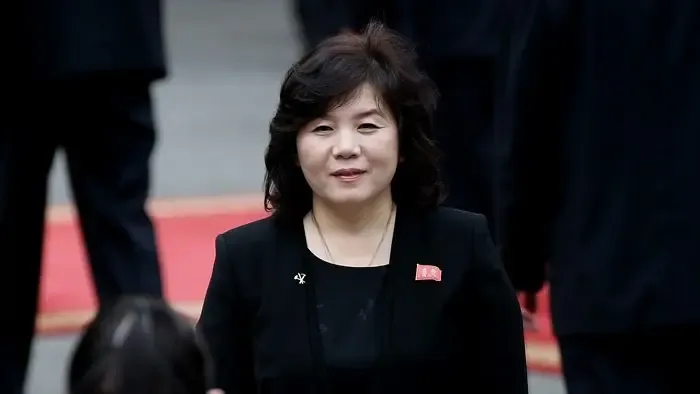
North Korea's Foreign Minister Choe Son-hui didn't just reject the G7's denuclearisation demand — she turned it back on the bloc, calling out the US and Britain for their own nuclear arsenals. With the DPRK's nuclear status now constitutionally protected, Pyongyang is signalling that diplomacy on this front is effectively closed.
Key Takeaways
North Korean Foreign Minister Choe Son-hui rejected the G7 's joint call for denuclearisation on 12 November 2026 .
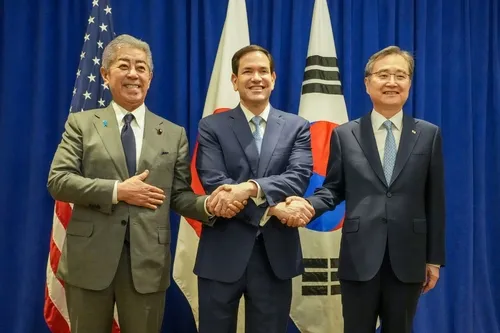
The G7 statement, issued after the foreign ministers' meeting in Paris , demanded 'complete denuclearisation' of North Korea under UNSC resolutions.
Choe declared the DPRK's nuclear pursuit 'steadfast' and called it a constitutional right and sovereign guarantee.
She accused G7 members including the United States and Britain of applying a double standard by possessing nuclear weapons themselves.
North Korea enshrined its nuclear status in its constitution in 2022 , making denuclearisation legally untenable under its domestic law.
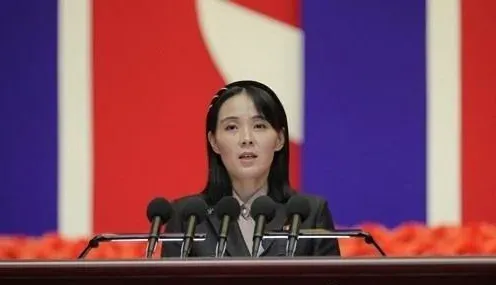
North Korean Foreign Minister Choe Son-hui on Thursday, 12 November 2026, sharply rejected a joint G7 demand for the denuclearisation of North Korea, declaring that Pyongyang's commitment to expanding its nuclear arsenal remains "steadfast" and non-negotiable. The rebuke came in a commentary released through state media, escalating diplomatic tensions days after the G7 foreign ministers' meeting in Paris.
What the G7 Statement Said
The Group of Seven (G7) advanced nations issued a joint statement following their foreign ministers' meeting in Paris earlier this week, strongly condemning North Korea's illicit nuclear weapons and ballistic missile programmes. The statement reaffirmed the bloc's commitment to achieving "complete denuclearisation" of the Korean peninsula in line with UN Security Council (UNSC) resolutions, which explicitly ban Pyongyang from developing such weapons.
Choe Son-hui's Fierce Rebuttal
Choe, speaking through the Korean Central News Agency (KCNA), pulled no punches. "I strongly condemn and reject the G7's vicious criticism about our state's constitutional right and reaffirm the DPRK's steadfast will for nuclear possession in the clearest terms," she said, using the North's official name — the Democratic People's Republic of Korea (DPRK).
She further stated: "Immutable is our judgment and stand that our possession of nuclear weapons is the most powerful guarantee for ensuring our national sovereign rights." Choe also dismissed the concept of denuclearising the North as impossible "both in theory and practice."
The Double-Standard Argument
Choe levelled accusations of hypocrisy at the G7, pointing out that nuclear-armed members such as the United States and Britain are among those demanding that Pyongyang disarm. "G7 is not entitled to find fault with or comment on others' nuclear issue," she said. She further argued that North Korea's nuclear status is a legitimate exercise of sovereignty, and that the fact it is already nuclear-armed proves the G7's "strategic failure."
She warned that any denial of North Korea's nuclear status amounts to "an open expression of hostility aimed at confrontation with the DPRK."
Context and Broader Significance
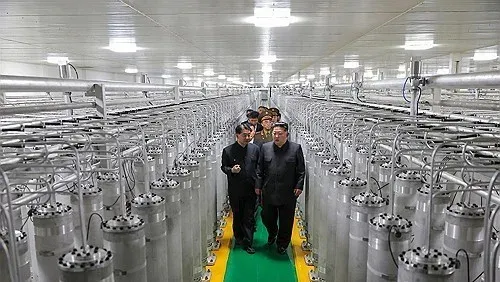
This is not the first time Pyongyang has dismissed multilateral pressure to roll back its nuclear programme. North Korea enshrined its status as a nuclear-armed state in its constitution in 2022, making denuclearisation legally untenable under its own domestic law. The latest G7 pushback follows a period of heightened ballistic missile activity by the North, which has conducted multiple test launches in defiance of UNSC sanctions.
Notably, Choe Son-hui — a veteran diplomat who previously led nuclear negotiations — has consistently hardened Pyongyang's public posture since taking over as Foreign Minister. Her commentary signals there is no diplomatic opening on the nuclear question in the near term.
What Comes Next
The standoff leaves the G7 with limited levers. Additional sanctions face the hurdle of China and Russia, both veto-wielding UNSC members, resisting tighter measures. Analysts expect Pyongyang to continue weapons development, with the next major flashpoint likely tied to either a fresh missile test or any shift in US policy toward the peninsula under its current administration.
Point of View
Not a diplomatic accident. By framing nuclear possession as a constitutional right and citing the G7's own nuclear-armed members, Pyongyang is not simply rejecting a demand — it is delegitimising the entire framework through which that demand is made. The G7 communiqué, however strongly worded, has no enforcement mechanism that China and Russia will permit at the UNSC. What mainstream coverage underweights is how structurally frozen this standoff now is: North Korea's constitutional enshrinement of nuclear status in 2022 means any future leader would need to repeal a foundational law to even enter talks. The gap between G7 rhetoric and diplomatic reality has rarely been wider.
NationPress
12 Nov 2026
Frequently Asked Questions
Why did North Korea reject the G7 denuclearisation call?
North Korea's Foreign Minister Choe Son-hui rejected the G7's demand, calling it an infringement on the DPRK's constitutional rights and sovereign guarantees. She argued that nuclear possession is Pyongyang's most powerful safeguard for national sovereignty and that denuclearisation is impossible both in theory and practice.
What did the G7 statement on North Korea say?
The G7 foreign ministers, meeting in Paris earlier this week, issued a joint statement strongly condemning North Korea's illicit nuclear weapons and ballistic missile programmes. The statement reaffirmed the group's commitment to achieving complete denuclearisation of North Korea in line with UN Security Council resolutions.
What double standard did Choe Son-hui accuse the G7 of?
Choe pointed out that G7 members including the United States and Britain themselves possess nuclear weapons, arguing this disqualifies the bloc from criticising North Korea's nuclear programme. 'G7 is not entitled to find fault with or comment on others' nuclear issue,' she said.
What is North Korea's official position on its nuclear weapons?
North Korea enshrined its status as a nuclear-armed state in its constitution in 2022, making denuclearisation legally untenable under domestic law. Pyongyang consistently frames its nuclear arsenal as a legitimate exercise of sovereignty and a guarantee of national security.
What are the next steps after this diplomatic standoff?
Further international pressure through the UN Security Council faces significant obstacles, as veto-wielding members China and Russia have resisted tightening sanctions on North Korea. Analysts expect Pyongyang to continue its weapons development programme, with any shift in US policy toward the Korean peninsula a key variable to watch.