Kremlin rejects NATO troops in Ukraine, vows victory amid fresh EU arms push
Synopsis
Even as Western allies met virtually to mark Ukraine's independence and the EU unlocked €6.1 billion in fresh arms, Moscow drew a hard line: NATO boots on Ukrainian soil are a non-starter, and Russia says victory is not a hope — it is a certainty. The gap between those two positions defines the conflict's trajectory.
Key Takeaways
Kremlin spokesperson Dmitry Peskov on 25 August called NATO military deployment in Ukraine 'unacceptable,' reiterating Russia's long-held red line.
Russia expressed confidence in military victory, saying it sees no conditions for a peaceful settlement.
The Coalition of the Willing — led by UK, France, Germany and Ukraine — pledged to prepare a Multinational Force Ukraine for post-ceasefire deployment.
The European Commission approved €6.1 billion in new defence procurement, including air defence systems, missiles, and radars.
Total EU approved procurement now stands at €16 billion , of which €8.35 billion has been disbursed.
Funding draws from the EU's €90 billion Ukraine Support Loan for 2026–2027 .
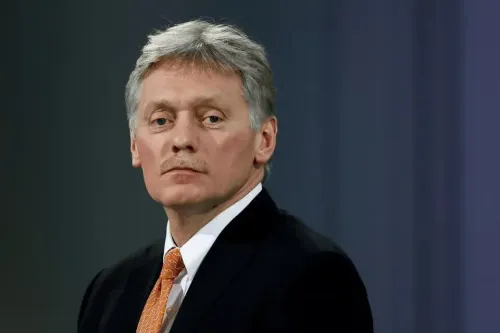
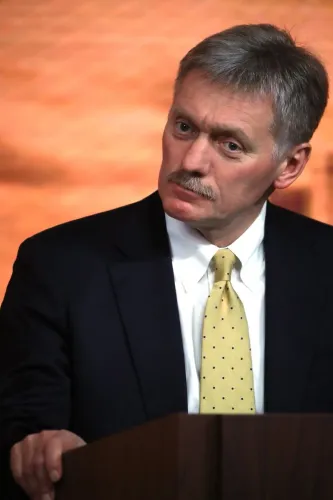
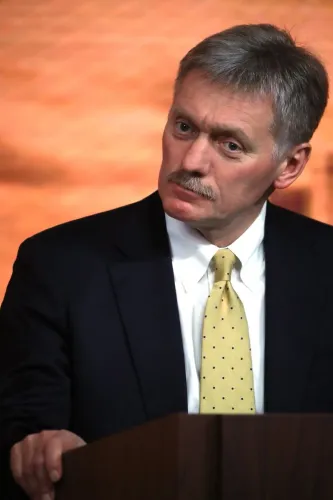
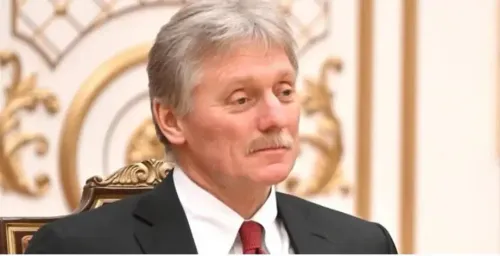
Kremlin spokesperson Dmitry Peskov on Tuesday, 25 August declared that Russia considers the deployment of NATO military contingents in Ukraine categorically unacceptable, reaffirming Moscow's position as Western allies intensified both their military and financial support for Kyiv.
Russia's Position on NATO Deployment
'We have repeatedly stated our position at various levels that the deployment of foreign military contingents of NATO member states in Ukraine is unacceptable for us,' Peskov said. He added that Russia remains confident of prevailing in the conflict, stating: 'I can assure you, we are not just counting on it, we are confident that this victory will come.' Moscow, he indicated, sees no current conditions for a peaceful settlement and continues its military operations.
Coalition of the Willing Meets in Kyiv
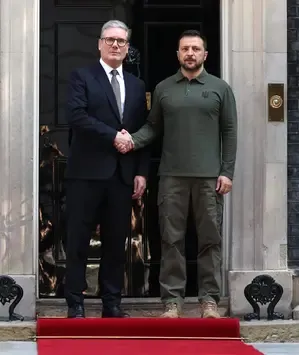
Peskov's remarks came a day after leaders of the Coalition of the Willing held a virtual summit on Monday to mark the 35th anniversary of Ukraine's independence. The meeting was chaired by British Prime Minister Andy Burnham, French President Emmanuel Macron, German Chancellor Friedrich Merz, and Ukrainian President Volodymyr Zelensky. The coalition issued a statement affirming it would continue preparing a Multinational Force Ukraine, to be deployed once a credible cessation of hostilities is in place.
EU Approves €6.1 Billion in Fresh Defence Procurement
On the same day as the coalition meeting, the European Commission approved €6.1 billion (approximately $7.12 billion) in new defence procurement for Ukraine, covering air defence systems, missiles, ammunition, and radars. This latest tranche is in addition to €16 billion in previously approved procurement plans, of which €8.35 billion has already been disbursed. The Commission noted that most equipment will be sourced from European Union defence companies.
Why the Acceleration in Arms Deliveries
The Commission cited Russia's increased use of ballistic missiles and jet-engined drones as the key driver for accelerating deliveries, achieved by reprioritising existing orders and ramping up production. The funding is drawn from the EU's €90 billion Ukraine Support Loan for 2026 and 2027, legislation for which was adopted by the European Parliament and the Council of the EU in February. Under the disbursement framework, Ukraine must sign procurement contracts with defence companies before requesting payments, with the Commission reviewing each contract before releasing funds.
What Comes Next
The convergence of Russia's hardened rhetoric, the Coalition of the Willing's deployment preparations, and the EU's expanding arms pipeline signals a prolonged standoff with no near-term diplomatic resolution in sight. Whether the Multinational Force Ukraine ever deploys will hinge on conditions — a credible ceasefire — that neither side currently appears willing to create.
Point of View
However conditional, is precisely the kind of signal that hardens Russian intransigence rather than softening it. The EU's €6.1 billion procurement approval is militarily significant, but the structural question remains: is Western support building toward a negotiated end, or entrenching a war of attrition? With Russia publicly ruling out peace conditions and the coalition framing deployment as post-ceasefire, both sides are simultaneously preparing for a future they claim to want while doing little to make it structurally possible.
NationPress
26 Aug 2026
Frequently Asked Questions
Why does Russia consider NATO troops in Ukraine unacceptable?
Russia views the deployment of NATO military contingents in Ukraine as a direct security threat and a red line it has stated at multiple diplomatic levels. Kremlin spokesperson Dmitry Peskov reaffirmed this position on 25 August, linking it to Moscow's broader demand that Ukraine not be integrated into Western military structures.
What is the Coalition of the Willing and what did it decide?
The Coalition of the Willing is a grouping of Western nations supporting Ukraine militarily. On Monday, its leaders — including the British, French, and German heads of government alongside Ukrainian President Zelensky — met virtually and pledged to continue preparing a Multinational Force Ukraine, to be deployed only after a credible ceasefire is established.
How much has the EU approved in defence aid for Ukraine?
The European Commission approved €6.1 billion in new defence procurement on Monday, covering air defence systems, missiles, ammunition, and radars. Combined with €16 billion in earlier approvals, of which €8.35 billion has been disbursed, the EU's total committed procurement is now substantial.
Where does the EU funding for Ukraine defence come from?
The funding is drawn from the EU's €90 billion Ukraine Support Loan covering 2026 and 2027, legislation for which was passed by the European Parliament and the Council of the EU in February. Ukraine can access funds after signing procurement contracts, subject to Commission review.
What is Russia's stated position on a peace settlement?
According to Peskov, Russia currently sees no conditions in place for a peaceful settlement and is continuing military operations. He also stated that Russia is 'confident' of victory, framing the conflict as one Moscow expects to win rather than negotiate its way out of.