Kremlin: Russia No Threat to Europe, Part of Eurasian Continent
Synopsis
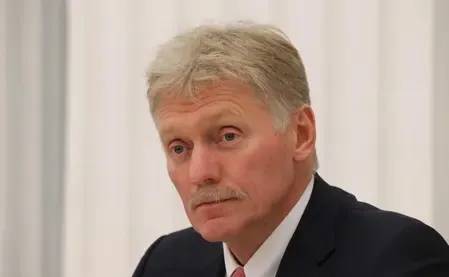
Kremlin spokesman Dmitry Peskov declared on April 26 that Russia cannot be Europe's main threat, calling it a Eurasian nation. This comes as the EU finalised a €90 billion loan to Ukraine and adopted its 20th Russia sanctions package — exposing a deepening divide between Moscow's diplomatic messaging and Western military-financial commitments.
Key Takeaways
Kremlin spokesman Dmitry Peskov on April 26 rejected Russia's designation as Europe's main threat, calling it a Eurasian nation integral to the European continent.
Peskov accused European politicians of using Russia as a propaganda tool to deflect blame for worsening domestic crises in security, economy, and values.
Foreign Minister Sergey Lavrov on April 24 claimed that Western countries have declared open war on Russia through their military and intelligence support for Ukraine .
The European Union finalised a €90 billion loan to Ukraine on April 23 , confirmed by European Council President Antonio Costa , covering needs through 2026–2027 .
The EU adopted its 20th package of sanctions against Russia , aimed at reducing Moscow's capacity to continue its military campaign.
Russia's diplomatic messaging stands in sharp contrast to NATO's official position , which identifies Russia as the continent's most significant direct security threat.
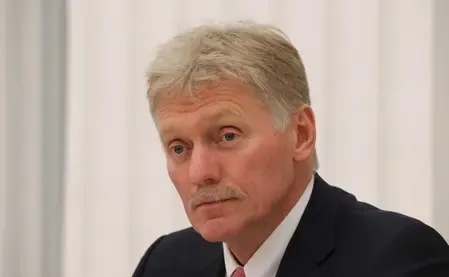
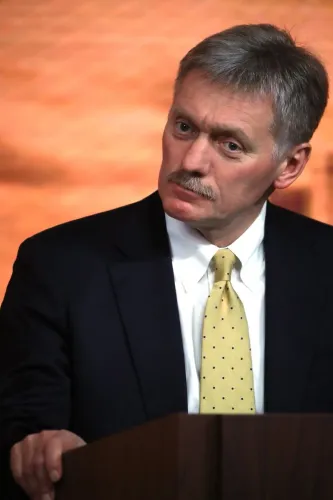
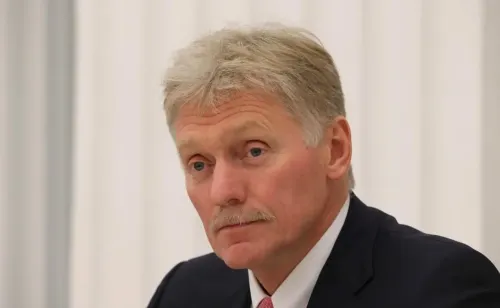
Moscow, April 26: Kremlin spokesman Dmitry Peskov firmly rejected the characterisation of Russia as the "main threat to Europe" on Sunday, April 26, asserting that Russia, as a Eurasian nation, remains an integral part of the European continent. Speaking in an interview with Vesti News, Peskov accused Western politicians of using Russia as a manufactured enemy for propaganda purposes, a claim reported by Russian state news agency TASS.
Peskov's Core Argument: Russia as Part of Europe
Peskov was unequivocal in his position: "Russia cannot be the main threat to Europe," he stated, adding that "Russia, no matter what anyone says, being a Eurasian country, is still an integral part of Europe." This framing is a recurring diplomatic posture from Moscow, aimed at countering NATO's official threat assessments that increasingly identify Russia as the primary security risk to the continent.
The Kremlin spokesman further argued that European countries are experiencing a deepening crisis — spanning security, economic stability, and a broader erosion of their core values and self-identity. He suggested that European politicians are using Russia as a convenient scapegoat for domestic failures.
"Will they be able to blame it all on us? Unlikely, of course," Peskov stated, implying that the strategy of externalising blame onto Moscow has a limited shelf life as internal pressures mount across EU member states.
Lavrov's War Declaration Claim
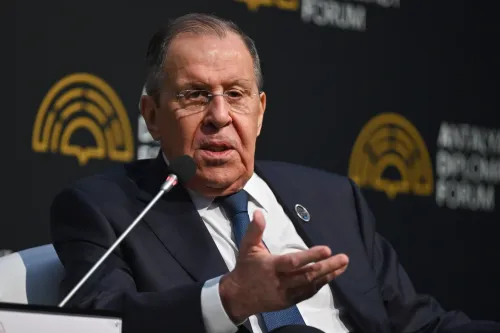
Peskov's remarks come just two days after Russian Foreign Minister Sergey Lavrov made an even sharper accusation on April 24, claiming that Western countries, through their support of Ukraine, have effectively declared war on Russia.
"Open war has been declared against us. The Kyiv regime is being used as a 'spearhead'," Lavrov said, pointing to the flow of Western weapons, intelligence data, satellite systems, and military training as evidence of direct Western involvement in the conflict.
This framing by senior Russian officials reflects a deliberate escalation in rhetoric, signalling that Moscow views the conflict not merely as a bilateral war with Ukraine, but as a broader confrontation with the collective West.
EU's €90 Billion Ukraine Loan and 20th Sanctions Package
The backdrop to these Russian statements is a significant financial and political move by the European Union. On April 23, European Council President Antonio Costa announced the finalisation of a €90 billion euro loan to Ukraine — an agreement originally struck by the European Council in December 2025.
The loan is specifically designed to address Ukraine's most urgent budgetary needs and defence industrial capacity requirements in 2026 and 2027, signalling that the EU is planning for a prolonged conflict rather than a near-term resolution.
Additionally, Costa confirmed that the EU Council adopted its 20th package of sanctions against Russia, aimed at further degrading Moscow's capacity to sustain its military operations. "Europe stands firm, united and unwavering in its support to Ukraine," Costa declared earlier this month.
Deeper Context: The Propaganda War Behind the Military War
Beyond the battlefield, both sides are engaged in an intense information war. Russia's repeated insistence that it poses no threat to Europe — even as its forces remain engaged in Ukraine — is a calculated diplomatic strategy to fracture Western unity and appeal to European publics growing weary of war costs and economic strain.
Notably, NATO's 2024 Strategic Concept explicitly identified Russia as "the most significant and direct threat to Allied security." The Kremlin's pushback against this label is not new — but the intensity of the messaging has sharpened as the EU deepens financial commitments to Kyiv.
Critics of Moscow's narrative point to the irony: Russia argues it is part of Europe while simultaneously conducting the largest land war on European soil since World War II. This contradiction remains the central tension in the ongoing geopolitical standoff.
The €90 billion EU loan and the 20th sanctions package suggest that despite some political fatigue in certain member states, the bloc's institutional machinery remains firmly aligned behind Ukraine through at least 2027. Whether Peskov's rhetoric finds any receptive audience in Europe's increasingly strained political landscape will be a key variable to watch in the months ahead.
Frequently Asked Questions
Why does Russia say it is not a threat to Europe?
Kremlin spokesman Dmitry Peskov argues that Russia, as a Eurasian country, is an integral part of Europe and therefore cannot logically be its 'main threat.' He claims Russia is being portrayed as an enemy for Western propaganda purposes to distract from domestic crises in European nations.
What did Lavrov say about Western countries and Russia?
Russian Foreign Minister Sergey Lavrov stated on April 24 that Western countries have effectively declared open war on Russia by using Ukraine as a 'spearhead.' He cited Western weapons, intelligence, satellite systems, and military training as direct evidence of Western involvement.
What is the EU's €90 billion loan to Ukraine for?
The European Union finalised a €90 billion loan to Ukraine, announced by European Council President Antonio Costa on April 23. The loan, agreed upon in December 2025, is intended to cover Ukraine's urgent budgetary needs and defence industrial capacity requirements in 2026 and 2027.
How many sanctions packages has the EU imposed on Russia?
As of April 2025, the European Union has adopted 20 packages of sanctions against Russia. The sanctions are designed to reduce Russia's ability to finance and sustain its military operations in Ukraine.
Has Russia always denied being a threat to Europe?
Yes, Russia has repeatedly and officially stated that it has no intentions of attacking Europe. However, NATO's 2024 Strategic Concept formally designated Russia as 'the most significant and direct threat to Allied security,' a classification Moscow consistently rejects.