Nepal gets India nod to import 350 MW power this winter amid flood damage
Synopsis
India has quietly cleared a 350 MW power lifeline for Nepal ahead of PM Balendra Shah's New Delhi visit — a move that doubles as diplomacy. With floods having knocked out 431 MW of Nepal's hydro capacity, this winter's energy crunch is unusually severe, and India's swift approval signals both practical solidarity and strategic intent in the bilateral relationship.
Key Takeaways
Nepal has received India's approval to import up to 350 MW of electricity, valid from 17 November 2026 to 31 July 2027 .
Flooding on 26 August in the Bhotekoshi and Trishuli rivers disconnected hydropower projects with a combined capacity of 431 MW from Nepal's grid.
The NEA can buy power from the Indian Energy Exchange (IEX) Day-Ahead and Real-Time markets for up to 17 hours a day , excluding India's morning and evening peak hours.
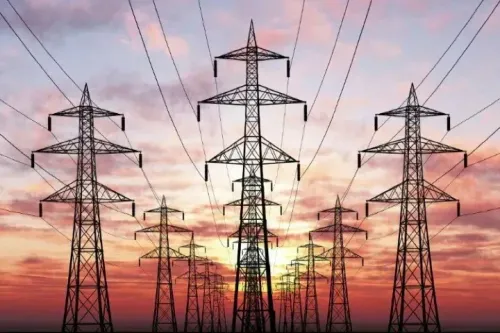
Imports will flow via four 132 kV transmission lines — 300 MW through three lines and 50 MW through a fourth.
Domestic demand is projected to exceed Nepal's internal generation for four months , from mid-December 2026 to mid-April 2027 .
Nepal also received approval to export 56 MW from three hydropower projects to India via the IEX over the same period.
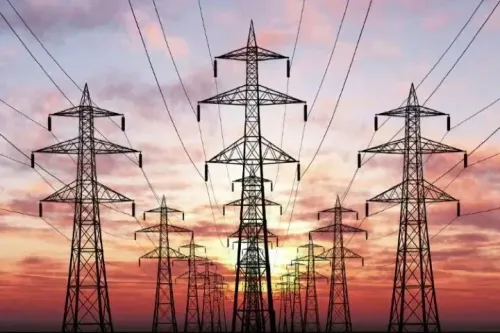
The Nepal Electricity Authority (NEA) on Tuesday, 17 November 2026 confirmed that Nepal has received approval to import up to 350 megawatts (MW) of electricity from India during the upcoming winter season, when domestic hydropower generation is expected to fall significantly short of national demand. The approval, granted by India's Central Electricity Authority (CEA) under the Ministry of Power, is valid from 17 November 2026 to 31 July 2027.
Why Nepal Faces a Power Crunch This Winter
Nepal's power situation this winter is considerably more precarious than in past years. Devastating floods in the Bhotekoshi and Trishuli rivers on 26 August knocked out hydropower projects with a combined installed capacity of 431 MW from the national grid. The country's power infrastructure suffered widespread damage, compounding the structural seasonal challenge Nepal already faces.
Normally, Nepal generates a surplus of hydropower during the monsoon wet season — when its largely run-of-the-river schemes run at full capacity — and exports electricity to both India and Bangladesh. During winter, however, river flows decline sharply, reducing generation and forcing Nepal to become a net importer. According to the NEA's analysis based on last year's demand and generation data, domestic demand is projected to exceed internal production for four months, from mid-December 2026 to mid-April 2027.
Terms of the Import Approval
The CEA has permitted the NEA to purchase electricity at competitive rates from the Day-Ahead Market and Real-Time Market of the Indian Energy Exchange (IEX) for up to 17 hours a day. Notably, imports are excluded during peak demand hours in India — specifically the morning peak of 5 am to 8 am and the evening peak of 5 pm to 9 pm — to protect India's domestic grid stability during high-demand windows.
Under the transmission arrangement, Nepal can import 300 MW through the 132 kV Kataiya-Kushaha, Ramnagar-Surajpura, and Raxaul-Parwanipur transmission lines. An additional 50 MW can be imported through the 132 kV New Nautanwa-Mainahiya transmission line, bringing the total approved capacity to 350 MW. The NEA said pricing will be determined by prevailing rates in the Indian energy market through competitive bidding. NEA Executive Director Dirghayu Kumar Shrestha confirmed that the authority would procure power through this competitive process.
India's Diplomatic Signal Ahead of PM Shah's Delhi Visit
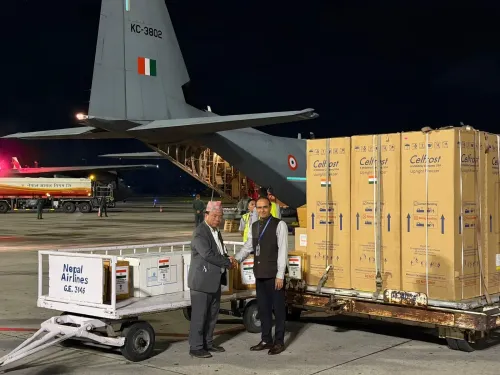
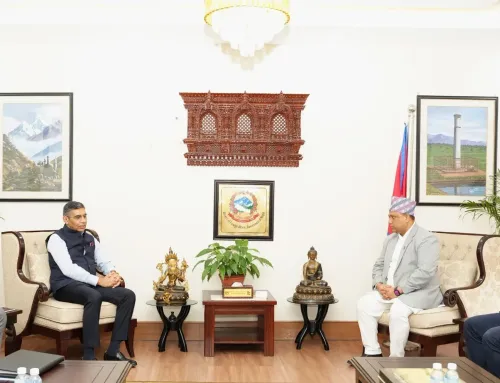
The timing of the approval carries clear diplomatic weight. Indian Ambassador to Nepal Sudhakar Dalela on Tuesday called on Energy, Water Resources and Irrigation Minister Biraj Bhakta Shrestha to formally convey India's decision. According to the minister's chief personal secretary, Sanjiv Maharjan, Ambassador Dalela said India had taken Nepal's winter electricity needs seriously — particularly in light of the flood damage — and had decided to provide the required supply.
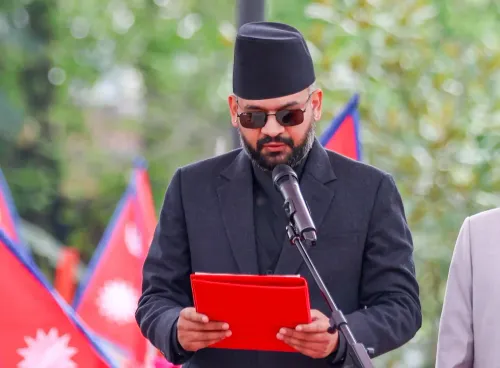
The approval comes ahead of Nepali Prime Minister Balendra Shah's planned visit to New Delhi, reportedly scheduled for next week. Analysts view India's proactive energy support as a goodwill gesture designed to set a cooperative tone for that bilateral summit, given the historically sensitive nature of India-Nepal relations.
Nepal Also Cleared to Export 56 MW to India
In a parallel development, the NEA also received approval to sell a combined 56 MW of electricity generated by three hydropower projects on the IEX, with the export window also running from 17 November 2026 to 31 July 2027. This two-way arrangement — imports during peak deficit months and exports when generation recovers — reflects the complementary seasonal energy relationship between the two neighbours.
With sectoral damage from flooding still being assessed and the winter deficit window approaching, how effectively Nepal utilises the import corridor will be closely watched by both energy planners and policymakers in Kathmandu.
Point of View
Days before PM Balendra Shah's New Delhi visit — is as much a diplomatic instrument as an energy arrangement. New Delhi has consistently used power connectivity as a soft-power lever in South Asia, and this move reinforces that pattern precisely when Nepal is most vulnerable. The deeper question is structural: Nepal's run-of-the-river model leaves it perpetually exposed to seasonal and weather shocks, and the August floods exposed the fragility of a grid that relies on a handful of large projects. Without investment in storage-based hydro or cross-border grid redundancy, Nepal will return to this same negotiating table every winter — and India knows it.
NationPress
17 Nov 2026
Frequently Asked Questions
Why does Nepal need to import electricity from India this winter?
Nepal faces a sharper-than-usual power deficit this winter because floods in the Bhotekoshi and Trishuli rivers on 26 August knocked out hydropower projects totalling 431 MW of installed capacity. Nepal's grid relies heavily on run-of-the-river hydro schemes, which generate far less power during winter when river flows decline, making imports from India a seasonal necessity that is especially acute this year due to flood damage.
How much electricity can Nepal import from India and under what terms?
Nepal can import up to 350 MW from India between 17 November 2026 and 31 July 2027. The NEA can buy power from the Indian Energy Exchange's Day-Ahead and Real-Time markets for up to 17 hours daily, excluding India's peak hours of 5 am–8 am and 5 pm–9 pm. Pricing will be determined by competitive bidding at prevailing market rates.
Which transmission lines will carry the imported power to Nepal?
Nepal will import 300 MW through three 132 kV lines — Kataiya-Kushaha, Ramnagar-Surajpura, and Raxaul-Parwanipur — and an additional 50 MW through the 132 kV New Nautanwa-Mainahiya line, totalling 350 MW of additional approved import capacity.
Is the power approval linked to Nepal PM Balendra Shah's planned visit to India?
The timing suggests a diplomatic dimension. Indian Ambassador Sudhakar Dalela conveyed India's decision to Nepal's Energy Minister on the same day the NEA announced the approval, and PM Shah's visit to New Delhi is reportedly planned for the following week. India's proactive energy support is widely seen as a goodwill gesture ahead of the bilateral summit.
How long is Nepal expected to remain dependent on power imports this winter?
According to the NEA's analysis based on last year's demand and generation data, Nepal's domestic demand is projected to exceed internal production for four months — from mid-December 2026 to mid-April 2027. The import approval, valid until 31 July 2027, covers this period and beyond.