Nepal floods death toll crosses 900; 4,247 people still out of contact
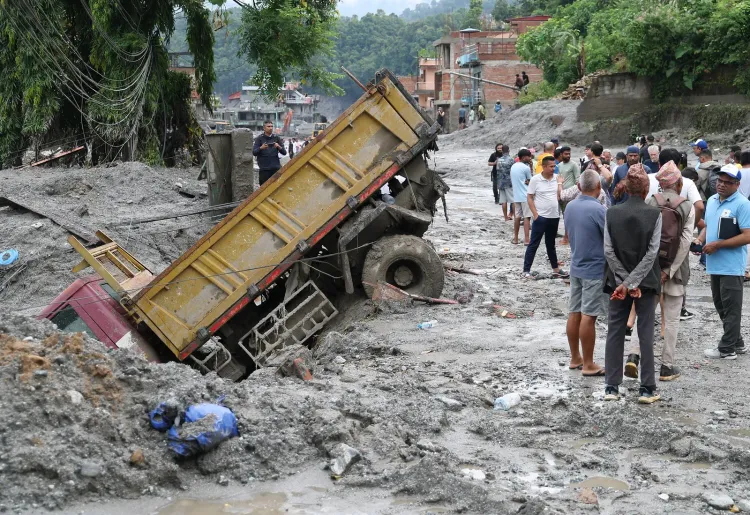
Synopsis
Nepal's flood death toll has crossed 900 — with 272 bodies recovered in Chitwan alone, DNA-sampled and buried at Devghat to prevent disease. Nearly 4,250 people remain out of contact, including hydropower workers trapped in tunnels being reached by Indian and Chinese rescue teams. The scale of this disaster is still unfolding.
Key Takeaways
903 bodies have been recovered across Nepal as of Monday, 31 August , according to the NDRRMA .
Chitwan district recorded the highest toll with 272 bodies; most were buried at Devghat after DNA sampling .
4,247 people remain out of contact, including 592 foreign nationals and 933 hydropower project workers .
10,451 people have been rescued so far, including 3,344 airlifted by the Nepal Army .
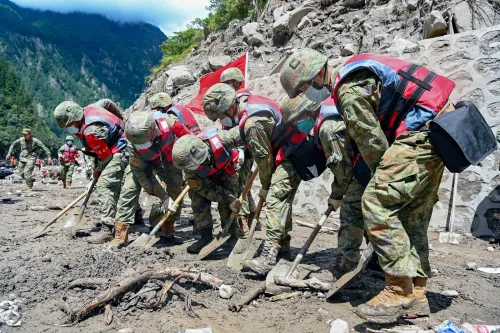
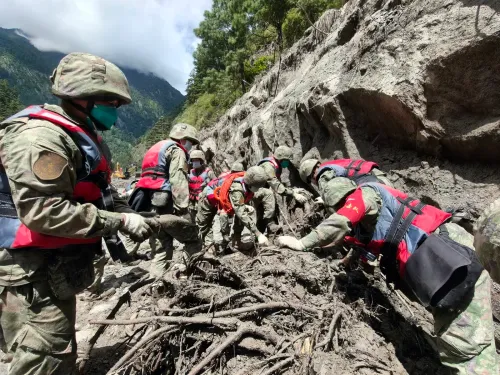
20,819 security personnel are deployed, with technical rescue support from Indian and Chinese teams.
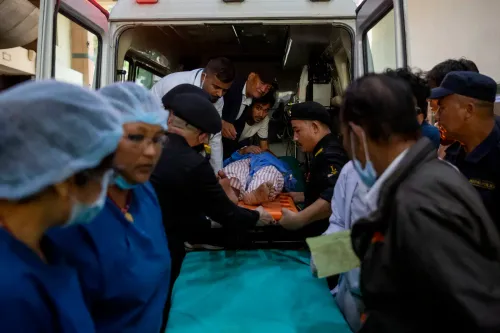
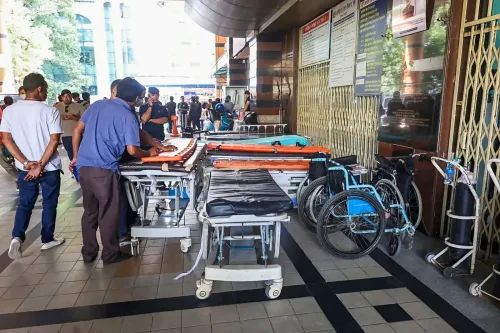
267 people are injured; 156 have been discharged following treatment.
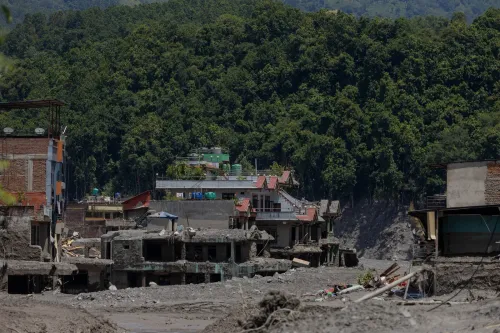
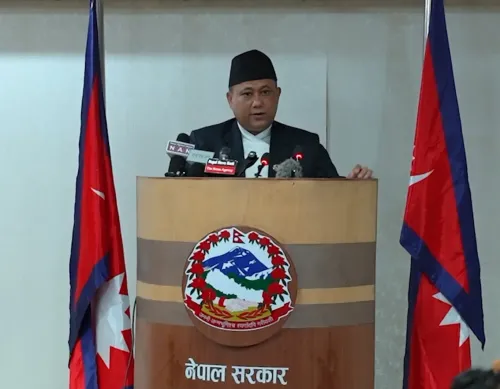
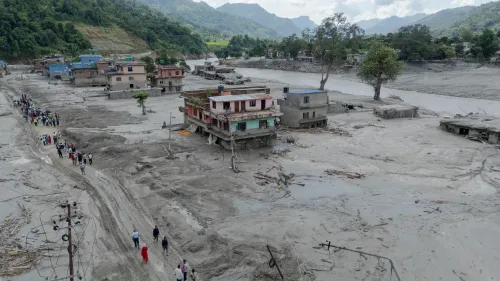
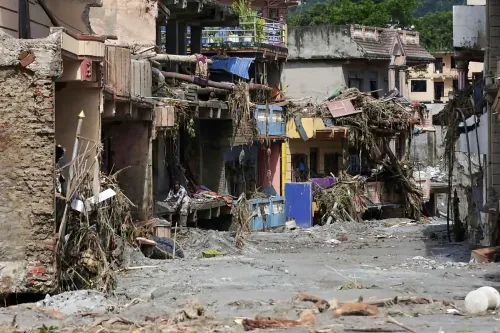
The death toll from catastrophic floods in Nepal has surpassed 903, according to the latest figures released by the National Disaster Risk Reduction and Management Authority (NDRRMA) on Monday, as bodies continue to be recovered from riverbanks across multiple districts. With 4,247 people still out of contact — including 592 foreign nationals — the scale of the disaster remains one of the worst Nepal has faced in recent memory.
Chitwan Worst Affected
The southern district of Chitwan recorded the highest single-district death count, with 272 bodies recovered — a figure that has overwhelmed local authorities. To prevent a secondary public health crisis, officials buried most of the recovered remains at Devghat, located at the confluence of the Kali Gandaki and Trishuli rivers.
Before interment, the District Administration Office, Chitwan, confirmed that DNA samples were collected from all bodies to enable future identification. The NDRRMA has also urged families of missing persons to check official records at 21 hospitals across various districts, where unidentified bodies are currently being held.
Hydropower Workers and Border Areas Cut Off
Among the missing, 933 workers employed at hydropower projects along the Bhotekoshi and Trishuli river corridors remain unaccounted for. Rescue operations are ongoing inside tunnels at several project sites, with technical assistance from both Indian and Chinese teams.
Personnel from the Nepal Army, Nepal Police, and the Armed Police Force — as well as government employees deployed near the Nepal-China border — are also among those out of contact since the disaster struck. The floods have left 267 people injured, of whom 156 have already been discharged after treatment.
Rescue Operations at Scale
A total of 10,451 people have been rescued so far, including 252 foreign nationals. Of these, 3,344 Nepalis were airlifted to safety through aerial operations conducted by the Nepal Army.
The NDRRMA has mobilised 20,819 security personnel for search, rescue, and relief operations. This includes 8,722 Nepal Army personnel, 7,894 Nepal Police personnel, and 4,203 Armed Police Force personnel — a deployment that underscores the breadth of the emergency response.
Context and What Comes Next
Nepal's geography makes it acutely vulnerable to monsoon flooding, with Himalayan river systems capable of rapid, destructive surges. This comes amid a broader pattern of intensifying flood events across South Asia, which researchers have linked to changing precipitation patterns. The presence of foreign nationals — both among the missing and the rescued — signals the disaster's reach into the country's hydropower and tourism sectors.
With thousands still unaccounted for and rescue teams working through difficult terrain, the final toll is expected to rise further as access to remote areas improves.
Point of View
247 people still out of contact and rescue teams yet to fully access border terrain near the Nepal-China corridor, the final toll could climb significantly. What stands out is the concentration of missing hydropower workers: Nepal's aggressive push to monetise its river systems has placed thousands of labourers in high-risk tunnel environments with limited evacuation infrastructure. The involvement of Indian and Chinese technical teams is notable — it reflects both the geopolitical stakes of cross-border river management and the limits of Nepal's own disaster response capacity at scale. The DNA-sampling exercise in Chitwan is a rare bright spot in an otherwise overwhelmed system, but it will only matter if the database is maintained and made accessible to grieving families.
NationPress
31 Aug 2026
Frequently Asked Questions
What is the current death toll from the Nepal floods?
As of Monday, 31 August, the death toll from the Nepal floods has reached 903, according to the National Disaster Risk Reduction and Management Authority (NDRRMA). Chitwan district alone accounts for 272 of the recovered bodies.
How many people are still missing or out of contact?
A total of 4,247 people remain out of contact, including 592 foreign nationals and 933 workers at hydropower projects along the Bhotekoshi and Trishuli river corridors. Rescue efforts are ongoing in tunnel areas with support from Indian and Chinese technical teams.
What is being done to identify flood victims in Nepal?
Authorities in Chitwan collected DNA samples from recovered bodies before burying them at Devghat. The NDRRMA has also urged families of missing persons to check records at 21 hospitals across different districts, where unidentified bodies are being held.
How many people have been rescued so far?
A total of 10,451 people have been rescued, including 252 foreign nationals. Of these, 3,344 Nepalis were evacuated through aerial operations conducted by the Nepal Army.
Which areas were worst hit by the Nepal floods?
Southern Chitwan district was the worst affected in terms of bodies recovered, with 272 deaths recorded there. Areas along the Nepal-China border and the Bhotekoshi and Trishuli river corridors were also severely impacted, with hundreds of personnel and workers still unaccounted for.