Nepal floods: Trishuli residents lost everything, warn of ignored alerts
Synopsis
Residents of Trishuli, Nepal, received government flood alerts minutes to half an hour before catastrophic floodwaters arrived on 31 August — and most did not evacuate. The Dhunge Trishuli Market, a commercial hub for surrounding hill villages, has been wiped out. One trader lost Rs 1.5 crore; another could not save even Rs 5. With 250 relief workers now on the ground, the focus has shifted from rescue to recovery — and the question of why warnings failed to trigger action.
Key Takeaways
Flash floods struck Trishuli, Nepal on 31 August , devastating homes, shops, and the Dhunge Trishuli Market .
Residents received advance warnings via government SMS, messages reportedly from China , and calls from friends — but most underestimated the flood's severity.
One grocery shop owner estimated losses of Rs 1 crore to Rs 1.5 crore ; another trader lost 20–25 tonnes of goods and could not retrieve even Rs 5 .
A dramatic rooftop rescue was carried out as one person became stranded amid surging floodwaters.
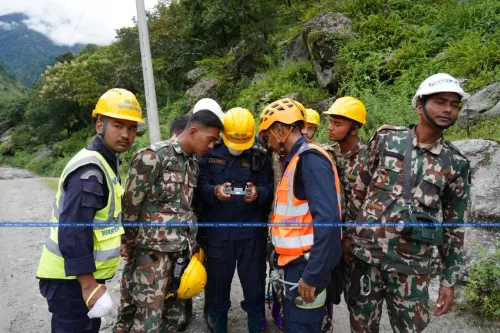
Mabaraj Thapa of Likhu Rural Municipality confirmed a team of 250 personnel is conducting ongoing relief and property recovery operations.
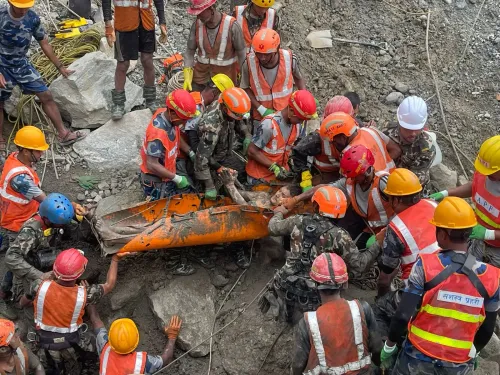
Recovered bodies were reportedly severely decomposed, making identification extremely difficult, according to rescue officials.
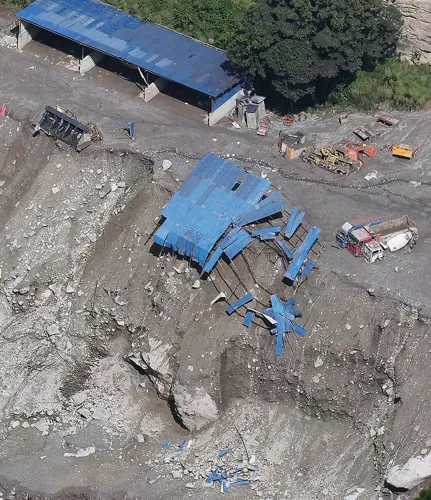
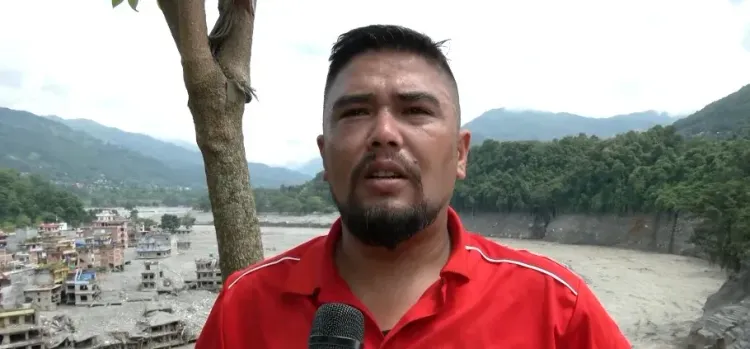
Flash floods that tore through Trishuli, Nepal, have left residents with nothing but memories and debris, as survivors recounted on Monday, 31 August how government warnings went unheeded in the minutes before catastrophic floodwaters swallowed homes, shops, and livelihoods whole. The disaster has reduced the Dhunge Trishuli Market — a commercial lifeline for hill villages across the region — to rubble.
Warnings Received, Danger Underestimated
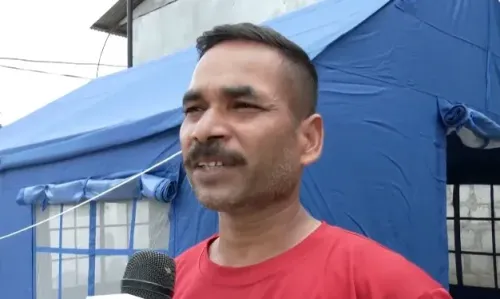
Multiple residents confirmed they had received advance alerts — via government mobile messages, communications reportedly originating from China, and calls from friends stationed upriver. Yet the scale of the inundation defied expectation. 'We thought our house was far away from the river and that the water would not reach here. We never imagined that such a huge amount of water would come and wash away the entire market,' one resident said, describing four decades of life in the area erased overnight.
A grocery shop owner, who also operated four to five godowns, said the warning arrived roughly half an hour before the water hit — but he did not act on it. 'We thought the water would not rise this high. When the water reached the Trishuli Bridge, we started running,' he said, estimating his losses at between Rs 1 crore and Rs 1.5 crore. He and his wife and three children escaped safely.
Scale of Destruction: 'Not Even Rs 5 Left'
For those who ran with only the clothes on their backs, the accounting of loss is staggering. One trader who dealt in potato, onion, and food grains received word of the flood just five minutes before it arrived. 'All our property is gone. There were six members of our family, and thankfully, we are all safe,' he said.
Another resident described losing 20 to 25 tonnes of shop goods, jewellery, cash, clothing, and a three-shutter commercial space. 'I could not even take out Rs 5. I had brought medicine for my child from Kathmandu just four days ago, and there is no trace of it either,' he said. The account captures the granular cruelty of the disaster — not just structural loss, but the erasure of daily life down to a child's prescription.
A Market That Served the Hills, Now Gone
Residents pointed to the ruins of the old Dhunge Trishuli Market as emblematic of the broader devastation. The market served as the primary trading hub for villages in the surrounding hills. 'Right in front, there used to be a hydropower plant, and next to it was a large shopping market where people from all the surrounding villages came to shop. All of it has been wiped out,' one local said. The loss of the market is expected to disrupt supply chains for hill communities with limited alternative access points.
Dramatic Rooftop Rescue Amid Surging Waters
One incident drew particular attention — a person trapped on the roof of a house as floodwaters surged around it. 'A huge flood came, and it was extremely stressful to watch. Rescuing the person was very difficult because the floodwaters were moving so rapidly. The person remained on the roof for a long time, shouting, 'Help me, help me,'' a witness recounted. The rescue was eventually completed after a responder navigated close to the structure and signalled for the trapped individual, who was brought to safety.
Relief Operations Ongoing, Casualty Recovery Underway
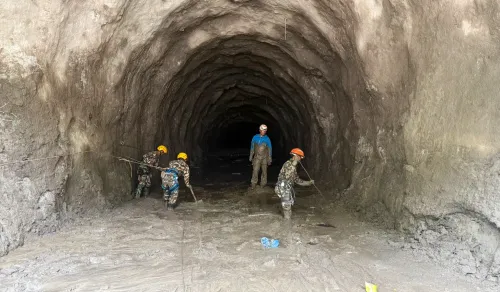
Rescue team member Mabaraj Thapa of Likhu Rural Municipality said a team of 250 personnel was deployed across affected areas as of Monday. 'So far, we have retrieved belongings from four houses, and the work is still ongoing. Tomorrow we will head to Devighat to clear the area,' Thapa said. He noted that the human casualty situation had been severe, with recovered bodies reportedly in an advanced state of decomposition, making identification extremely difficult. Operations have now shifted focus toward property recovery and area clearance.
This comes amid a broader pattern of increasingly destructive monsoon flooding across the Himalayan belt, where rapid glacial melt and intense seasonal rainfall are compressing warning windows and overwhelming local infrastructure. The Trishuli disaster underscores a recurring gap: alerts reach residents, but the absence of mandatory evacuation protocols means warnings alone are insufficient.
Point of View
Signals from China, and calls from friends — and still stayed. The problem is not information; it is the absence of enforceable action triggered by that information. As Himalayan glacial melt accelerates monsoon extremes, the window between warning and impact will only narrow further. Nepal, like several neighbouring states, risks investing in alert infrastructure while neglecting the last-mile compliance mechanisms that actually save lives.
NationPress
16 Oct 2026
Frequently Asked Questions
What happened in Trishuli, Nepal on 31 August?
Devastating flash floods struck Trishuli, Nepal on 31 August, destroying homes, shops, and the Dhunge Trishuli Market that served as a commercial hub for surrounding hill villages. Residents reported losing all their possessions, with individual losses estimated as high as Rs 1.5 crore.
Did residents receive flood warnings before the disaster?
Yes, multiple residents confirmed receiving advance warnings — via government SMS alerts, messages reportedly from China, and calls from friends upriver — ranging from five minutes to half an hour before the flood arrived. Most did not evacuate because they did not believe the water would reach their location.
What is the scale of damage in the Trishuli flood?
The damage is extensive. The Dhunge Trishuli Market has been completely wiped out, along with homes, godowns, and businesses. One shop owner estimated losses of Rs 1 crore to Rs 1.5 crore, while another trader reported losing 20 to 25 tonnes of goods and was unable to retrieve even Rs 5 in cash.
What relief operations are underway in Trishuli?
Rescue team member Mabaraj Thapa confirmed that a 250-person team from Likhu Rural Municipality is conducting ongoing relief and property recovery operations. Belongings have been retrieved from four houses so far, with teams set to move to Devighat next.
Were there casualties in the Trishuli floods?
Rescue officials indicated the human casualty situation was severe. According to Mabaraj Thapa, recovered bodies were reportedly in an advanced state of decomposition, making identification extremely difficult. Specific casualty figures were not confirmed in available accounts.