Nepal, India talks cover post-flood rebuild, trade and energy ties
Synopsis
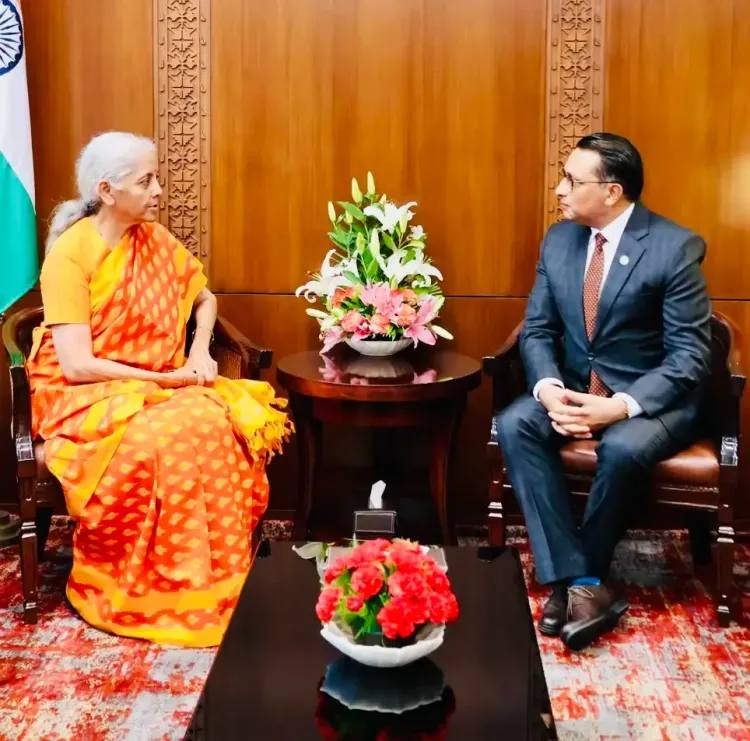
Nepal's Finance Minister Dr. Swarnim Wagle flew to New Delhi for a three-day visit and sat down with India's Nirmala Sitharaman to tackle the most pressing items on the bilateral agenda — post-flood reconstruction, trade, energy, and connectivity. With Nepal counting the economic cost of recent disasters, how India responds on reconstruction support could define the near-term trajectory of one of South Asia's most consequential bilateral relationships.
Key Takeaways
Nepal's Finance Minister Dr.
Swarnim Wagle met India's Finance Minister Nirmala Sitharaman in New Delhi on 17 September 2026 .
Talks focused on post-flood reconstruction , trade and investment , energy cooperation , and connectivity .
Wagle is on a three-day visit to New Delhi at the invitation of the Indian government.
The visit comes as Nepal assesses economic damage from recent floods and begins reconstruction planning.
Both sides emphasised the importance of strengthening the broader India-Nepal economic partnership .
Nepal and India on Thursday, 17 September 2026, held wide-ranging bilateral discussions in New Delhi, covering post-flood reconstruction, trade and investment, energy cooperation, and cross-border connectivity, as both sides sought to deepen their longstanding economic partnership. The meeting signals a concerted push to move the bilateral agenda beyond routine diplomacy toward concrete reconstruction and integration outcomes.
Ministers Meet in New Delhi
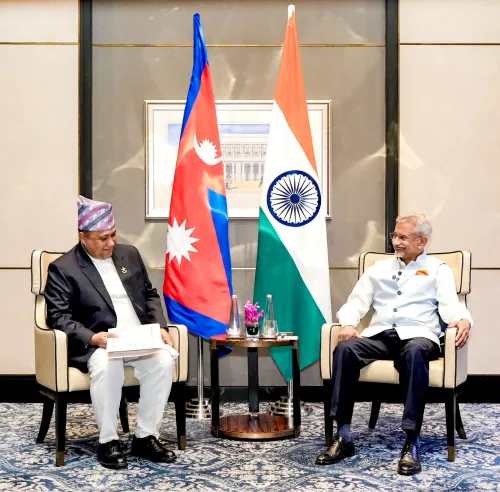
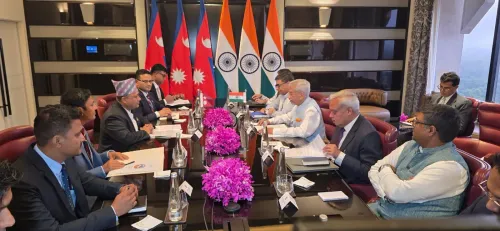
Nepal's Finance Minister Dr. Swarnim Wagle held an official bilateral meeting with India's Finance and Corporate Affairs Minister Nirmala Sitharaman in New Delhi, according to a post by the Embassy of Nepal in India on social media platform X. The engagement is part of Dr. Wagle's three-day visit to New Delhi at the invitation of the Indian government — a trip that comes as Nepal evaluates the economic toll of recent floods and begins charting its reconstruction course.
Key Areas of Discussion
The two ministers engaged in what the Embassy described as a 'comprehensive discussion on a wide-ranging set of issues related to development cooperation.' Central to the talks was post-flood reconstruction, reflecting Nepal's urgent need to rebuild damaged infrastructure after recent disaster events. The discussions also covered trade and investment facilitation, cooperation in the energy sector — a longstanding pillar of the bilateral relationship — and improved connectivity between the two neighbours. Both sides reportedly underscored the need to further strengthen economic ties across these domains.
Why This Meeting Matters
The bilateral meeting carries weight beyond protocol. Nepal has faced significant economic disruption from recurrent flood events, making Indian cooperation on reconstruction financing and logistics particularly consequential. On energy, the two countries have an established framework of cross-border hydropower exports — a sector where Nepal sees considerable untapped potential. Connectivity improvements, including road and rail links, remain critical to enabling smoother trade flows and reducing Nepal's freight costs. This comes amid a broader regional context in which India has been strengthening economic partnerships with its South Asian neighbours through investment and infrastructure initiatives.
What Comes Next
No specific agreements or financial commitments were announced publicly following the meeting. However, the structured agenda — spanning reconstruction, energy, trade, and connectivity — suggests follow-up working-level engagement is likely. Observers will watch for any formal project announcements or disbursement timelines tied to Nepal's post-flood recovery needs. Dr. Wagle's remaining days in New Delhi are expected to include further engagements with Indian officials.
Point of View
Trade, energy, connectivity — reads like a checklist of unfinished business in the India-Nepal relationship, much of which has moved slowly despite goodwill on both sides. Post-flood reconstruction is the most time-sensitive item: Nepal needs financing and logistical support now, not after another round of working-group deliberations. On energy, cross-border hydropower exports remain underexploited relative to Nepal's potential, and India's appetite for clean power should, in theory, align interests. The real measure of this visit will not be the communiqué language but whether it produces disbursement timelines and project-level commitments in the weeks ahead.
NationPress
17 Sept 2026
Frequently Asked Questions
What did Nepal and India discuss in their 17 September 2026 bilateral meeting?
The two sides discussed post-flood reconstruction, trade and investment, energy cooperation, and cross-border connectivity, with both ministers agreeing on the need to strengthen the overall economic partnership between the two neighbours.
Who represented Nepal and India at the bilateral meeting?
Nepal was represented by Finance Minister Dr. Swarnim Wagle and India by Finance and Corporate Affairs Minister Nirmala Sitharaman . The meeting was held in New Delhi on Thursday, 17 September 2026.
Why is post-flood reconstruction a key agenda item?
Nepal has suffered significant economic and infrastructure damage from recent flood events and is now in the early stages of planning recovery. Indian cooperation on reconstruction financing and logistics is considered critical to Nepal's recovery effort.
What is the purpose of Dr. Wagle's visit to New Delhi?
Dr. Swarnim Wagle is on a three-day official visit to New Delhi at the invitation of the Indian government, focused on advancing bilateral cooperation across development, trade, energy, and connectivity ahead of Nepal's reconstruction phase.
Were any agreements or financial commitments announced after the meeting?
No specific agreements or financial commitments were publicly announced following the ministerial meeting. Further working-level engagements are expected during the remainder of Dr. Wagle's three-day visit to New Delhi.