Indian forensic team begins DNA analysis to ID Nepal flood victims
Synopsis
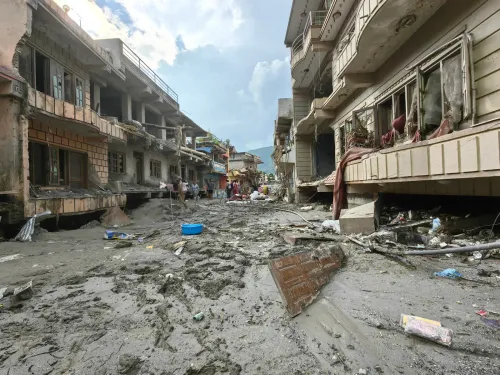
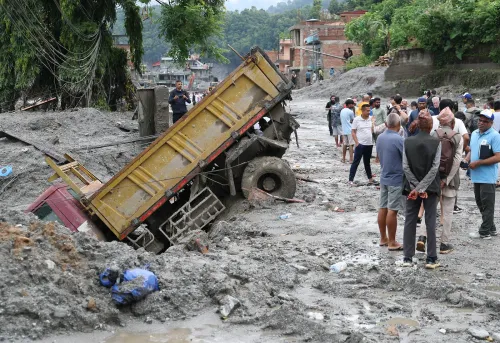
With 1,068 bodies recovered and 400 too fragmented for visual identification, Nepal's flood disaster has entered a grim forensic phase. India's 19-member DNA analysis team — now working inside Kathmandu's national labs — represents one of the most technically intensive bilateral relief deployments in recent South Asian disaster response, as over 4,600 people remain missing.
Key Takeaways
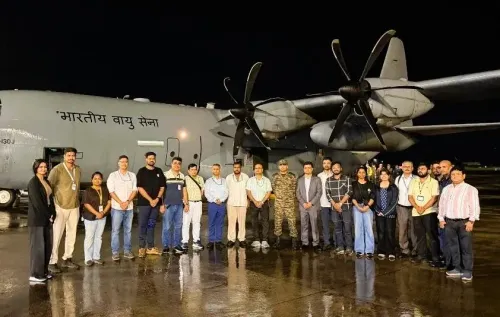
A 19-member Indian forensic team began DNA analysis on 1 September at two laboratories in Kathmandu Valley .
1,068 bodies have been recovered; 400 consist of only partial remains, complicating identification.
4,606 people remain unaccounted for, including 583 foreigners , according to Nepal Police.
Chitwan district has the highest body count; hundreds buried along riverbanks with DNA samples preserved.
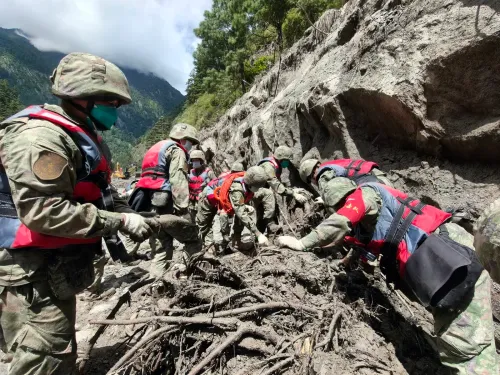
Both India and China have sent technical teams for rescue operations inside hydropower tunnels in Rasuwa and Nuwakot districts.
Nepali PM Balendra Shah confirmed identified bodies are being handed over to families; unidentified ones managed scientifically under law.
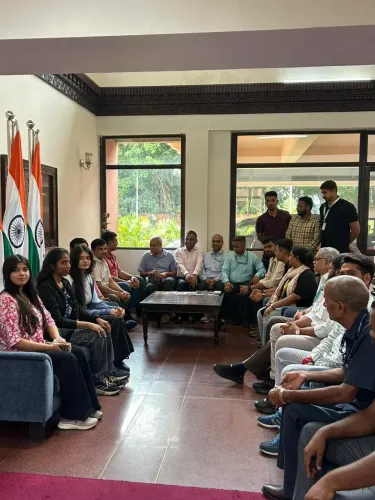
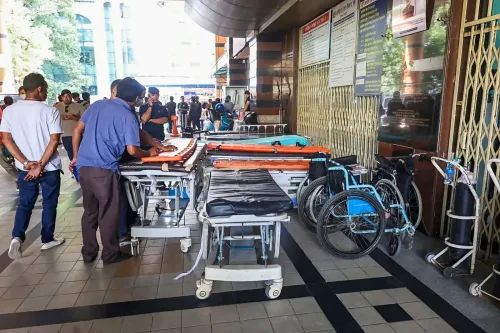
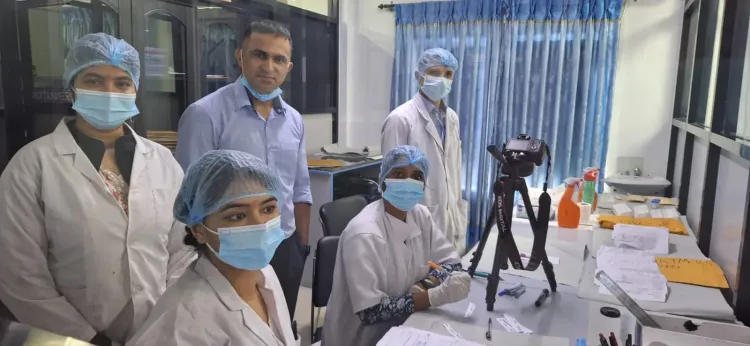
A 19-member Indian forensic team has commenced DNA sample analysis in Kathmandu to help identify victims of Nepal's devastating flash floods, the Indian Embassy confirmed on Tuesday, 1 September. The team is working in coordination with Nepali forensic experts at two laboratories, as the death toll climbs past 1,068 with thousands still unaccounted for.
Where the Work Is Happening
The Indian team began operations at the Nepal Police Central Forensic Science Laboratory and the National Forensic Science Laboratory, both located in the Khumaltar area of Kathmandu Valley. The two teams are working in parallel to expedite the processing of DNA samples collected from flood-affected zones across the country.
'The deployment of the Indian forensic team is part of ongoing efforts to support Nepal in the aftermath of the recent flash floods, which caused significant loss of life and left several people unaccounted for,' the Indian Embassy said in a statement.
Scale of the Disaster
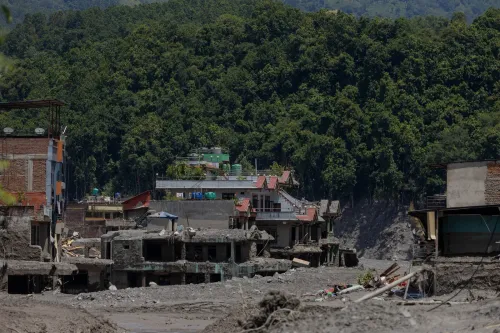
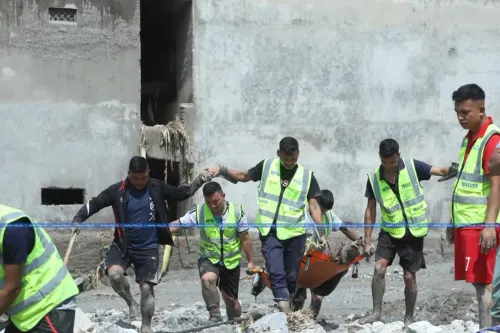
According to Nepal Police, 1,068 bodies had been recovered by Tuesday evening. Of these, 400 bodies consisted of only partial remains, making visual identification impossible. In Chitwan district — where the highest number of bodies have been found — authorities have buried hundreds of victims in open spaces along riverbanks after collecting DNA samples for future identification.
As many as 4,606 people remain unaccounted for, including 583 foreigners, according to Nepal Police. The figure suggests the final death toll could rise considerably as search operations continue.
Hydropower Corridors Under Focus
Nepali authorities said efforts are underway to locate missing persons at several hydropower projects along the Bhotekoshi and Trishuli river corridors in Rasuwa and Nuwakot districts. At the request of the Nepali government, both India and China have deployed technical teams to assist in search and rescue operations inside hydropower tunnels — a rare instance of parallel bilateral cooperation in a humanitarian context.
What the Nepali Government Said
Nepali Prime Minister Balendra Shah addressed the situation in a Facebook post on Tuesday, stating that unidentified bodies are being managed in accordance with the law and through scientific procedures. 'The government is managing only those bodies that are found in an unidentifiable condition, while preserving DNA samples and other evidence that could assist in their identification,' he said. 'The bodies are being managed with the assistance of the Nepali Army, Nepal Police and the Armed Police Force, Nepal. Identified bodies are being handed over to their families.'
With over 4,600 people still missing, the forensic identification process is expected to remain a critical priority for weeks ahead as families await confirmation of their loved ones' fates.
Point of View
But the numbers on the ground reveal a disaster still far from contained — 4,606 missing, 400 bodies too fragmented to identify without DNA, and hydropower tunnels that may yet yield more casualties. What is less discussed is the geopolitical dimension: India and China are both operating technical teams inside Nepal simultaneously, a quiet but telling indicator of how both neighbours are competing for goodwill in Kathmandu. The forensic work is essential, but Nepal's long-term challenge is infrastructure — its national labs are being stretched by a caseload they were never designed to handle at this scale.
NationPress
1 Sept 2026
Frequently Asked Questions
Why has India sent a forensic team to Nepal?
India deployed a 19-member forensic team to Nepal to assist in identifying victims of the recent flash floods, which left hundreds of bodies in a condition that makes visual identification impossible. The team is analysing DNA samples at two national laboratories in Kathmandu in coordination with Nepali forensic experts.
How many people have died in the Nepal flash floods?
Nepal Police confirmed that 1,068 bodies had been recovered by Tuesday evening, 1 September. Of these, 400 consisted of only partial remains. The toll is expected to rise, with 4,606 people still unaccounted for.
How many foreigners are missing in the Nepal floods?
According to Nepal Police, 583 foreigners are among the 4,606 people still unaccounted for following the flash floods. Their nationalities have not been specified in official statements.
Where are the DNA samples being analysed?
The Indian forensic team is working at the Nepal Police Central Forensic Science Laboratory and the National Forensic Science Laboratory, both in the Khumaltar area of Kathmandu Valley.
Is any other country besides India helping with Nepal flood rescue?
Yes. Both India and China have sent technical teams to assist in search and rescue operations inside hydropower tunnels along the Bhotekoshi and Trishuli river corridors in Rasuwa and Nuwakot districts, at the request of the Nepali government.