Nepal suspends Himalayan trekking permits Oct 29–31 amid avalanche risk
Synopsis
Nepal has shut the door on new Himalayan trekking permits for three days as Cyclone Arnab drives an avalanche and snowstorm threat — and it is doing so in the long shadow of August's devastating floods that killed 1,500 people and caused over $1.66 billion in damage. The suspension, covering the peak autumn trekking season, signals how sharply Nepal's risk calculus has shifted since that disaster.
Key Takeaways
Nepal's Department of Immigration suspended trekking permits for high-hill and Himalayan restricted areas from 29 to 31 October 2026 .
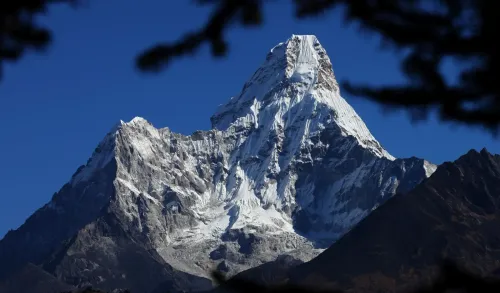
Cyclone Arnab in the Bay of Bengal is forecast to bring heavy snowfall, strong winds, and avalanche risk across Nepal's mountain regions.
Trekkers already on trails have been urged to remain in safe locations; agencies and guides must comply with the suspension notice.
Nepal's August 26 floods killed around 1,500 people , left over 5,000 missing , and caused an estimated $1.66 billion in physical damage according to the World Bank .
Road and air transport services may also be disrupted; the public has been advised to avoid non-essential travel during the warning period.
Nepal's Department of Immigration has suspended the issuance of trekking permits for restricted areas in high-hill and Himalayan regions from 29 to 31 October 2026, citing a high risk of heavy snowfall, snowstorms, and avalanches. The suspension covers foreign nationals visiting restricted areas and comes on the back of an official warning from the National Disaster Risk Reduction and Management Authority (NDRRMA).
Why Permits Have Been Halted
A special post-monsoon bulletin from the Nepal Meteorological Department warned that Cyclone Arnab, gathering strength in the Bay of Bengal, is expected to bring heavy rainfall, strong winds, and an elevated risk of snowfall and avalanches across several parts of the Himalayan country. The three-day permit freeze is a direct response to that forecast.
Notably, this is not the first such precautionary suspension in recent weeks. Nepal has faced a series of extreme weather events this season, making such advisories an increasingly regular feature of Himalayan travel management.
What Trekkers Already on the Trail Must Do
The Department of Immigration has also urged trekkers who have already obtained permits for affected regions to suspend their treks for the duration of the warning period. 'Those who have already set out on their treks are urged to remain in safe locations,' the department said in its official statement.
Trekking agencies, guides, and other stakeholders have been directed to comply with the notice. The NDRRMA separately cautioned that road and air transport services could face disruption and advised the public to avoid non-essential travel.
'People should avoid staying in high-risk areas, particularly along riverbanks that may be affected by potential flooding,' the authority said, urging regular monitoring of weather forecasts and early warnings from official agencies.
Shadow of the August Floods
The heightened vigilance comes against the backdrop of Nepal's catastrophic floods of 26 August, triggered when a river near the Nepal-China border was blocked by an avalanche, forming and subsequently breaching a natural dam. The disaster killed around 1,500 people, with more than 5,000 still reported missing, according to the disaster authority.
The floods destroyed settlements, roads, bridges, and power infrastructure. The World Bank estimated total physical damage at approximately 1.66 billion US dollars — a figure that has sharpened official resolve to act pre-emptively ahead of any similar weather event.
Broader Impact on Travel and Daily Life
Beyond trekking, authorities have warned that the incoming weather system could disrupt daily life across Nepal's mountain districts. Air services to remote highland airstrips — already limited in frequency — are particularly vulnerable to rapid weather deterioration. The tourism sector, still recovering from the August disaster, faces a fresh, if temporary, setback during what is ordinarily the peak autumn trekking season.
Authorities are expected to review the permit suspension after 31 October, with resumption contingent on updated meteorological assessments.
Point of View
But it underlines how exposed Nepal's tourism-dependent highland economy remains to weather volatility. The August floods killed 1,500 people and erased over $1.66 billion in infrastructure; the government cannot afford another preventable mass-casualty event. What is missing, however, is a longer-term structural answer: Nepal's early-warning and evacuation systems for trekkers in restricted areas remain patchwork, and the peak autumn season — the most commercially critical period for highland trekking operators — is now being managed one emergency bulletin at a time. A pre-season risk framework tied to seasonal cyclone forecasts would be a more durable solution than reactive permit shutdowns.
NationPress
27 Oct 2026
Frequently Asked Questions
Why has Nepal suspended trekking permits for October 29–31?
Nepal's Department of Immigration suspended trekking permits for high-hill and Himalayan restricted areas from 29 to 31 October 2026 due to a high risk of heavy snowfall, snowstorms, and avalanches. The decision follows forecasts that Cyclone Arnab, forming in the Bay of Bengal, will bring severe weather across the Himalayan country.
Which areas are affected by the trekking permit suspension?
The suspension covers restricted high-hill and Himalayan regions for which the Department of Immigration issues permits to foreign nationals. Trekkers already holding permits for these zones have also been urged to halt their treks during the warning period.
What should trekkers currently on the trail do?
The Department of Immigration has urged trekkers already on restricted-area trails to remain in safe locations for the duration of the suspension period. Trekking agencies, guides, and other stakeholders have been directed to comply with the official notice.
How does Cyclone Arnab pose a threat to Nepal?
According to a special post-monsoon bulletin from the Nepal Meteorological Department, Cyclone Arnab was gaining strength in the Bay of Bengal and is expected to bring heavy rainfall, strong winds, and a high risk of snowfall and avalanches across Nepal's mountain regions. The cyclone's moisture feed into the Himalayas can rapidly trigger dangerous conditions at altitude.
What is the background to Nepal's heightened weather vigilance this season?
Nepal experienced devastating floods on 26 August 2026, triggered when a river near the Nepal-China border was blocked by an avalanche and the resulting natural dam breached. The disaster killed around 1,500 people, left more than 5,000 missing, and caused approximately $1.66 billion in physical damage according to the World Bank, prompting authorities to adopt a more cautious stance toward weather warnings.