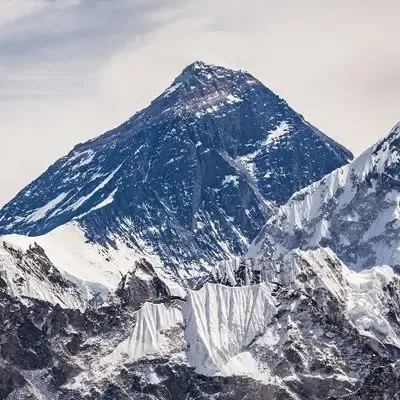
Nepali guide Bijay Ghimire dies of altitude sickness on Mt. Everest
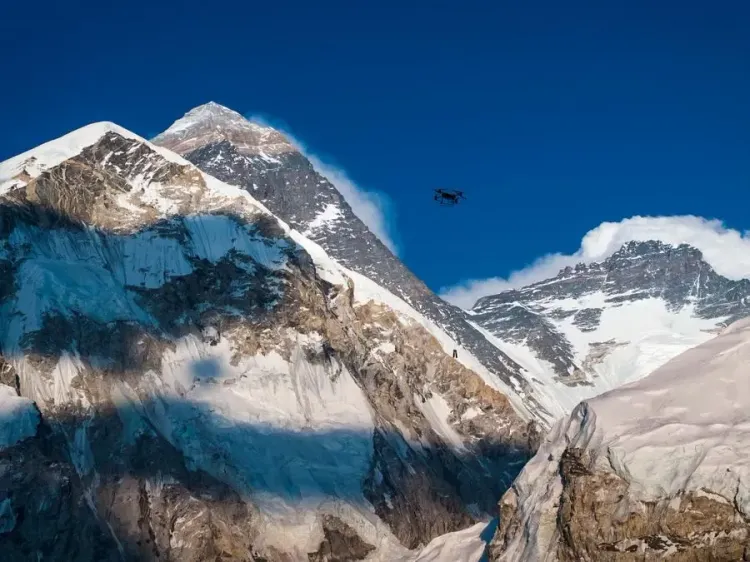
Synopsis
An experienced Nepali guide who summited Everest three times is dead — a stark reminder that the mountain's deadliest risks are borne disproportionately by those who make other people's summits possible. With a record 492 permits issued and a serac collapse injuring two others days earlier, the human cost of Everest's commercialisation is once again in sharp focus.
Key Takeaways
Bijay Ghimire , 35 , a Nepali mountain guide with three Everest summits, died of altitude sickness during acclimatisation on Mt.
Nepal's Department of Tourism confirmed the death on Monday evening.
On 5 May , a serac collapse at the Khumbu Icefall injured Indian climber Nimish Kumar Singh , 40 , and Sherpa guide Pembha Tenduk Sherpa , 44 .
Nepal has issued a record 492 permits for the 2025 spring climbing season on Mt.
The royalty fee for climbing Everest has been raised from $11,000 to $15,000 per person.
A Nepali mountain guide died of altitude sickness during acclimatisation on Mt. Everest, according to Nepal's Department of Tourism. The death has renewed attention on the dangers faced by high-altitude guides on the world's tallest peak during the 2025 spring climbing season.
Who Was Bijay Ghimire
Bijay Ghimire, 35, was an experienced mountain guide who had successfully summited the 8,848.86-metre peak three times — in 2016, 2019, and 2023. He died on Sunday while carrying out his duties during the acclimatisation phase of the current expedition season.
Himal Gautam, information officer at the Department of Tourism, confirmed the death in a statement on Monday evening. "He died while performing his responsibility as a mountain guide," Gautam said.
Khumbu Icefall Serac Collapse Injures Two
Ghimire's death comes just days after a separate incident on 5 May, when a serac collapse along the Khumbu Icefall route injured two climbers. The injured were identified as Nimish Kumar Singh, 40, an Indian mountaineer, and Pembha Tenduk Sherpa, 44, a Nepali mountain guide.
According to the department, the collapse occurred at approximately 5:45 am when falling glacial ice struck members of an expedition team descending from Camp II toward Camp I via the Khumbu Icefall as part of their acclimatisation process. A serac is a large, unstable block or pinnacle of glacial ice, commonly formed by intersecting crevasses on steep icefalls.
A rescue team from Pioneer Adventure Pvt. Ltd. and Summit Force Expedition responded immediately. Seven Summit Trek Pvt. Ltd. coordinated a helicopter evacuation, and by 6:30 am a helicopter from Lukla airport had airlifted the injured to Kathmandu for treatment.
Record Permits Issued This Season
Nepal's Department of Tourism has issued a record 492 permits to climbers attempting Mt. Everest this spring season. The surge comes despite the government raising the royalty fee from $11,000 to $15,000 per person and flight disruptions linked to the ongoing conflict in West Asia between the United States and Iran.
The Khumbu Icefall, one of the most hazardous sections of the Everest route, is notorious for frequent ice shifts and serac collapses, particularly early in the climbing season when glacial movement is less predictable.
What Happens Next
With hundreds of climbers and guides active on the mountain, Nepal's mountaineering authorities face renewed pressure to enforce safety protocols and bolster emergency response infrastructure. The fatality and the earlier serac injuries are likely to intensify calls for stricter acclimatisation guidelines and faster high-altitude rescue systems.
Point of View
000 per climber — what share of that revenue flows into guide safety, emergency infrastructure, and survivor support? Ghimire had stood on the summit three times; the mountain did not kill him on a summit push but during the unglamorous, repetitive acclimatisation work that underpins every paying client's dream. The Khumbu Icefall serac collapse just days earlier adds to the pattern. A record 492 permits signals booming demand, but without proportionate investment in Sherpa welfare and mountain safety systems, Nepal risks subsidising global adventure tourism with its guides' lives.
NationPress
12 May 2026
Frequently Asked Questions
Who was Bijay Ghimire and how did he die?
Bijay Ghimire was a 35-year-old Nepali mountain guide who had summited Mt. Everest three times — in 2016, 2019, and 2023. He died of altitude sickness during acclimatisation on the mountain, according to Nepal's Department of Tourism.
What happened at the Khumbu Icefall on 5 May 2025?
A serac collapse struck members of an expedition team at the Khumbu Icefall at around 5:45 am on 5 May, injuring Indian climber Nimish Kumar Singh, 40, and Nepali Sherpa guide Pembha Tenduk Sherpa, 44. Both were airlifted to Kathmandu by helicopter.
What is a serac and why is it dangerous?
A serac is a large, unstable block or pinnacle of glacial ice formed by intersecting crevasses on a glacier or steep icefall. When seracs collapse, they can send massive chunks of ice onto climbing routes without warning, making the Khumbu Icefall one of Everest's most hazardous sections.
How many permits has Nepal issued for Everest this spring season?
Nepal's Department of Tourism has issued a record 492 permits for the 2025 spring climbing season on Mt. Everest, despite raising the royalty fee from $11,000 to $15,000 per climber.
Why is the 2025 Everest season drawing attention to guide safety?
The death of guide Bijay Ghimire from altitude sickness, combined with a serac collapse that injured two others days earlier, has intensified scrutiny of safety protocols and the welfare of Sherpa guides who bear disproportionate risk on the mountain.