Nepal, UNDP launch $50 million project to curb glacial floods
Synopsis
Months after floods that reportedly killed more than 1,400 people, Nepal is moving to drain four Himalayan glacial lakes before they burst. The $49.94 million GLOF-Sanjibani Project, backed largely by the Green Climate Fund, aims to shield 385,000 people directly and nearly two million downstream.
Key Takeaways
Nepal and the UNDP launched the $49.94 million GLOF-Sanjibani Project on Wednesday , running from 2026 to 2033 .
Water levels in Dona , Lumding Tsho and Lower Barun will be lowered by three metres each, and Hongu 2 by one metre .
The Green Climate Fund is providing a $36.16 million grant; Nepal is co-financing $11.32 million .
The project is expected to directly benefit over 385,000 people , 55 per cent of them women, and nearly two million people indirectly.
It follows 26 August floods that reportedly killed more than 1,400 people , with over 5,000 still missing.
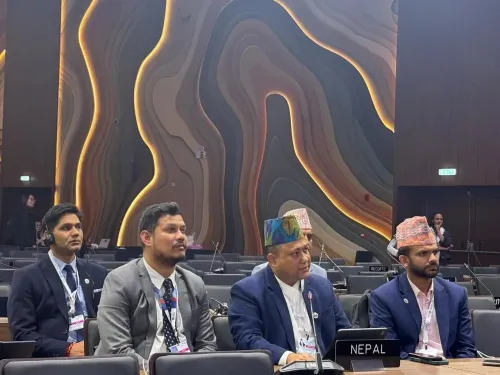
The Nepali government and the United Nations Development Programme (UNDP) on Wednesday launched the GLOF-Sanjibani Project, a $49.94 million effort to protect Himalayan communities from glacial lake outburst floods (GLOFs). The project, launched in Nepal and running from 2026 to 2033, will lower water levels in four high-altitude glacial lakes, strengthen early warning systems and build protective infrastructure downstream, the UNDP said in a statement.
Key Developments
A central goal of the project is to drain four glacial lakes to safer levels. According to the UNDP, water levels in Dona, Lumding Tsho and Lower Barun will each be lowered by three metres, while Hongu 2 will be lowered by one metre.
The scope goes beyond engineering at the lakes themselves. “Beyond lake lowering, the project will strengthen climate-risk information and planning, expand hydrological and meteorological monitoring, and establish and improve early warning systems. It will also introduce nature-based solutions and protective infrastructure to reduce downstream flood risks in the watersheds,” the statement said.
How the Project Is Funded
The bulk of the money comes as a $36.16 million grant from the Green Climate Fund. The Nepali government is contributing $11.32 million in co-financing, the UNDP is adding $2.14 million, and private-sector partners are putting in $0.32 million.
Notably, external grant funding accounts for well over two-thirds of the total outlay, underlining how heavily climate adaptation in the Himalayas depends on international climate finance.
Who Stands to Benefit
The UNDP said the project is expected to directly benefit more than 385,000 people, 55 per cent of whom are women. Nearly two million additional people living in downstream river basins are expected to gain indirect safety benefits.
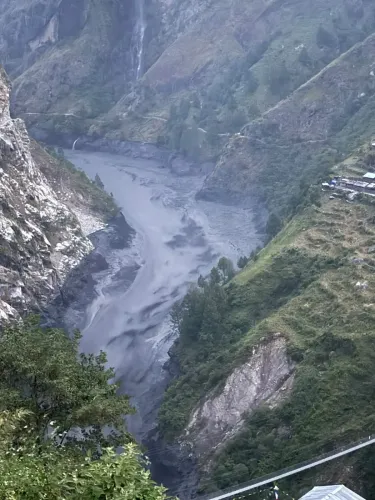
These communities sit in valleys where a sudden lake breach can send torrents of water, ice and debris downstream with little warning, which is why the monitoring and early warning components are considered as important as the lake-lowering work.
Context: A Deadly Flood Season
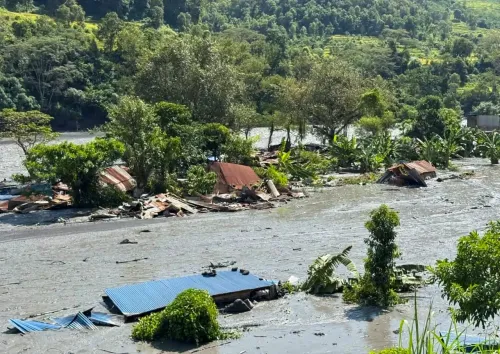
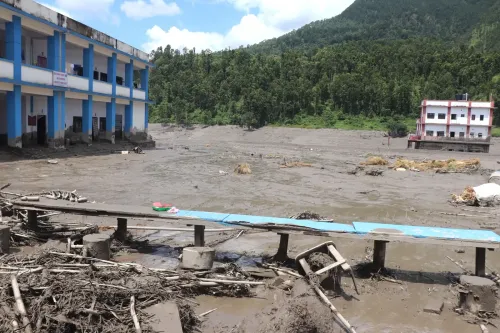
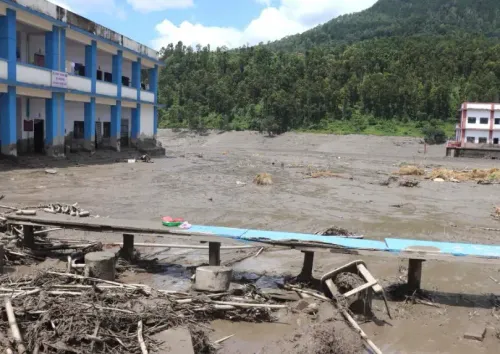
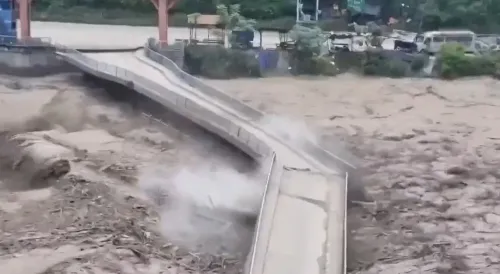
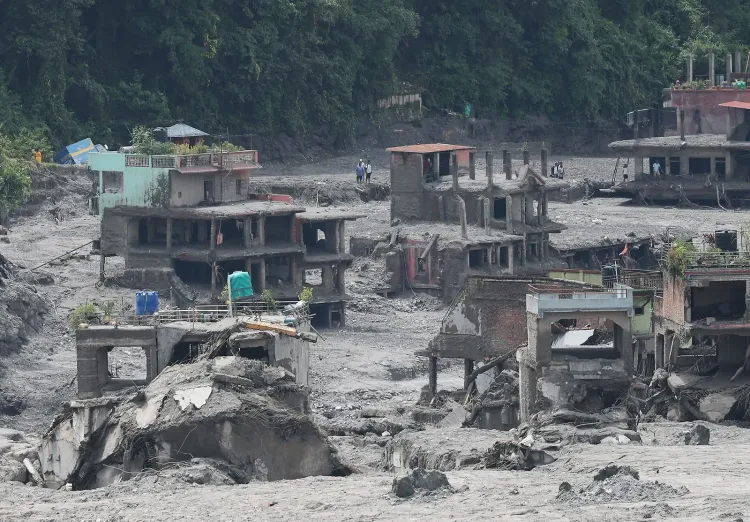
The launch comes in the wake of devastating floods that struck Nepal on 26 August, which, according to the source report, killed more than 1,400 people, while more than 5,000 others, including foreign nationals, remain missing. The disaster caused extensive damage to public and private infrastructure and washed away several settlements along the Bhotekoshi and Trishuli river corridors.
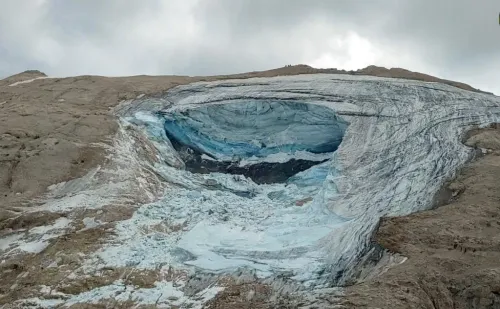
This comes amid growing concern that rising temperatures are accelerating glacier melt across the Himalayas, raising the risk of glacial lake instability, avalanches and destructive downstream floods.
This is not Nepal's first attempt at controlled lake lowering. The country has previously lowered water levels in Tsho Rolpa in Dolakha district and Imja Lake in Solukhumbu district to reduce GLOF risks, offering a working template for the new project.
What Happens Next
With the project window set through 2033, attention will now turn to how quickly lake-lowering work begins at the four high-altitude sites and how fast new early warning systems reach vulnerable downstream settlements before the next monsoon season.
Point of View
So upstream risk is downstream risk. Lowering four lakes is meaningful, but the Himalayas hold many potentially unstable glacial lakes, and a seven-year timeline is slow against the pace of warming. The heavy dependence on Green Climate Fund money also exposes how adaptation in the world's most vulnerable mountain region still hinges on donor cycles. New Delhi has a direct stake in pushing for a shared, cross-border early warning network rather than leaving Nepal to manage this alone.
NationPress
26 Nov 2026
Frequently Asked Questions
What is the GLOF-Sanjibani Project?
It is a $49.94 million project launched by the Nepali government and the UNDP to reduce risks from glacial lake outburst floods in the Himalayas. It will run from 2026 to 2033 and includes lake lowering, early warning systems and downstream protective infrastructure.
Which glacial lakes will be lowered under the project?
Water levels in Dona, Lumding Tsho and Lower Barun will be lowered by three metres each, and Hongu 2 by one metre. The aim is to reduce the chance of a sudden, destructive outburst.
Who is funding Nepal's glacial flood project?
The Green Climate Fund is providing a $36.16 million grant, the Nepali government $11.32 million, the UNDP $2.14 million and private-sector partners $0.32 million.
How many people will benefit from the project?
More than 385,000 people are expected to benefit directly, 55 per cent of them women, according to the UNDP. Nearly two million more people in downstream river basins are expected to receive indirect safety benefits.
Has Nepal lowered glacial lakes before?
Yes, Nepal has previously lowered water levels in Tsho Rolpa in Dolakha district and Imja Lake in Solukhumbu district to mitigate glacial lake outburst flood risks.