Netanyahu-Eisenkot unity talks: wide gaps remain, no new date
Synopsis
Netanyahu offered Gadi Eisenkot the first turn as prime minister, yet Sunday's meeting reportedly ended with no progress and no new date. With days left on his mandate, Eisenkot's bloc is now reportedly eyeing a minority government. He accuses Likud of stalling to split the opposition and force another election.
Key Takeaways
Benjamin Netanyahu and Gadi Eisenkot met on 29 November 2026 to discuss a possible unity government.
A joint Likud–Yashar statement said wide gaps remain.
Kan reported no significant progress and no new meeting date.
On 28 November , Netanyahu offered a rotation deal with Eisenkot serving first as prime minister.
President Isaac Herzog gave Eisenkot the mandate on 8 November after Netanyahu's bloc fell short of a majority in the October election.
Eisenkot alleges Likud refused to compromise on dropping far-right parties, a 7 October 2023 inquiry and broader military service.
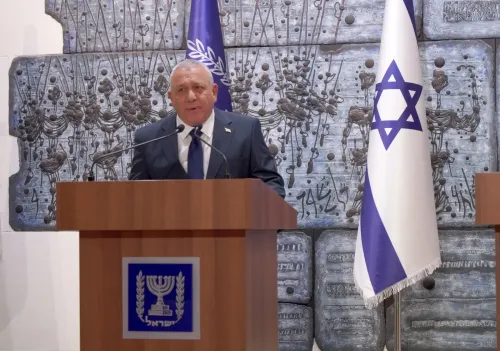
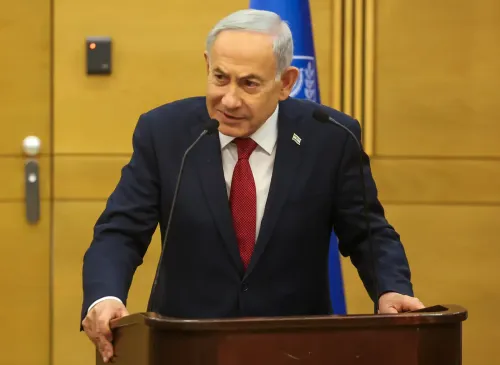
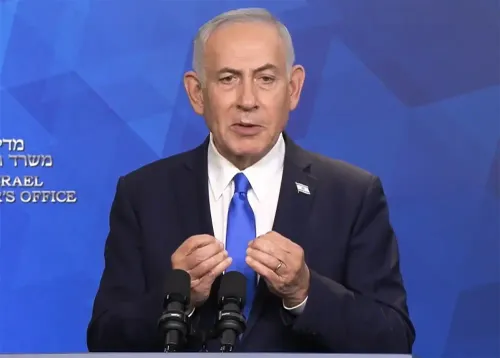
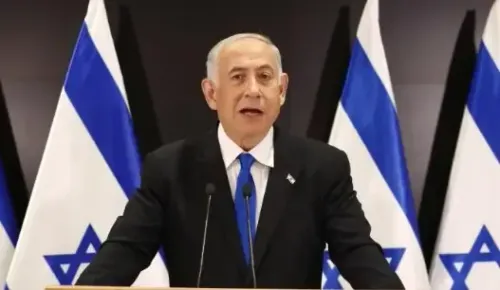
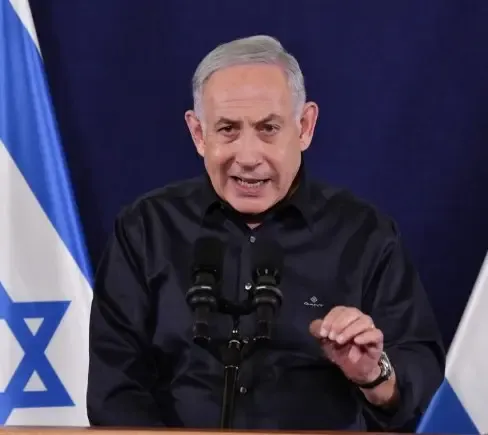
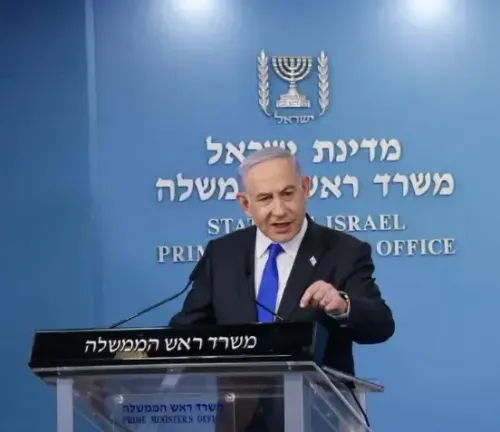
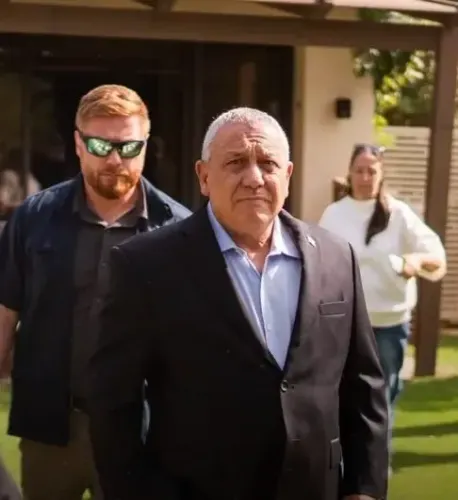
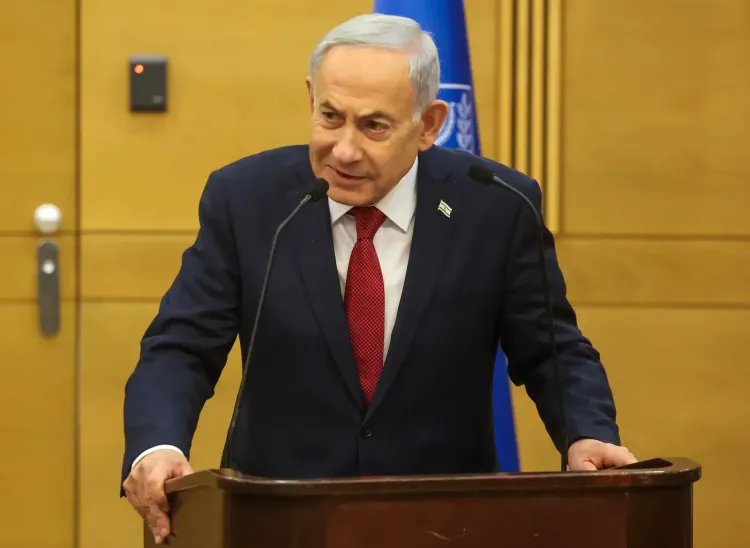
Israel's caretaker Prime Minister Benjamin Netanyahu and his main rival, Gadi Eisenkot, met in Jerusalem on Sunday, 29 November 2026 to try to narrow their differences over a possible unity government. A joint statement from Netanyahu's Likud and Eisenkot's Yashar party described the meeting as businesslike, but public broadcaster Kan reported that it produced no significant progress.
The meeting comes with Eisenkot's mandate to form a government running short. His bloc is now reportedly weighing a minority government instead of a broad coalition.
What the Two Parties Said
In their joint statement, Likud and Yashar said: “The meeting between Netanyahu and Eisenkot took place in a businesslike atmosphere, in an attempt to bridge the wide gaps that remain.” The statement did not mention any agreement or next steps.
Citing members of Eisenkot's party, Kan reported that the talks yielded no significant progress on any issue. No date was set for another meeting. According to the broadcaster, Eisenkot's bloc came away believing it was moving toward forming a minority government.
Netanyahu's Rotation Offer
The meeting followed a public offer Netanyahu made on Saturday, 28 November. He proposed a rotation agreement under which Eisenkot would serve first as prime minister, while Netanyahu would initially serve as alternate prime minister.
Eisenkot responded that he had already sent Netanyahu a detailed proposal the previous Sunday. He said it went through a confidential channel set up at Netanyahu's request, and that he was still waiting for a response on the substantive issues it raised.
Notably, Israeli politics has seen a rotation deal before. Netanyahu's 2020 power-sharing pact with Benny Gantz collapsed before Gantz took the top job.
Background to the Mandate
President Isaac Herzog tasked Eisenkot with forming a government on 8 November. He did so after Netanyahu's bloc fell short of a parliamentary majority in the October election.
Eisenkot had earlier said he intends to form a new government within the eight days remaining in his mandate. He accused Likud of conducting unity negotiations without any genuine intention of reaching an agreement.
Eisenkot's Allegations Against Likud
In a social media post, Eisenkot said the two sides had held five meetings over two weeks. He alleged that Likud refused to make concrete proposals or compromise on key issues. He named three demands:
- removing far-right parties from the government
- setting up a state commission of inquiry into the 7 October 2023 attack
- passing legislation requiring broader military service
Eisenkot also accused Likud of deliberately delaying the talks to divide the opposition and force another election. He said his bloc had offered significant compromises on judicial reform and on the proposed inquiry.
What Happens Next
With no further meeting scheduled and Eisenkot's deadline approaching, the coming days will decide what Israel's next government looks like. The options are a last-minute unity deal, a narrow minority government, or another trip to the polls.
Point of View
But Israelis remember the 2020 rotation with Benny Gantz, which collapsed before Gantz ever took office. Eisenkot's real demands, though, are policy rather than personal: an inquiry into 7 October, an end to far-right partnerships and broader military service. Those strike at the core of Netanyahu's coalition. If Likud will trade the premiership but not those principles, a minority government or a fresh election looks more likely than unity.
NationPress
29 Nov 2026
Frequently Asked Questions
Why did Netanyahu and Eisenkot meet?
They met on 29 November 2026 to try to bridge differences over a possible unity government. Their parties called the meeting businesslike but said wide gaps remain.
What rotation deal did Netanyahu offer Eisenkot?
Netanyahu offered a rotation arrangement in which Eisenkot would serve first as prime minister and Netanyahu would initially be alternate prime minister. Eisenkot said he was still awaiting Netanyahu's response to his own detailed proposal.
Why is Gadi Eisenkot forming Israel's government?
President Isaac Herzog gave Eisenkot the mandate on 8 November after Netanyahu's bloc fell short of a parliamentary majority in the October election.
What are Eisenkot's key demands in the talks?
He wants far-right parties removed from the government, a state commission of inquiry into the 7 October 2023 attack, and legislation requiring broader military service. He says his bloc offered compromises on judicial reform and the inquiry.
What happens if no unity government is formed?
Eisenkot's bloc is reportedly moving toward a minority government. He has accused Likud of stalling to divide the opposition and force another election.