Netanyahu vows to block Iran nuclear weapons, adds ₹116 bn defence push
Synopsis
Netanyahu used an air force graduation ceremony to draw an absolute red line on Iran's nuclear programme — and backed it with a 350-billion-shekel defence expansion over ten years. With Trump declaring the Iran deal dead and Israeli forces dug into southern Lebanon, Israel is signalling it is prepared for a long, multi-front confrontation.
Key Takeaways
Benjamin Netanyahu declared on 9 July that Iran will not acquire nuclear weapons 'with an agreement or without an agreement.' Israel plans to add 350 billion shekels (approx.
116 billion US dollars ) to its defence budget over the next decade.
A major share of the funds will build a domestic Israeli munitions industry to reduce reliance on foreign arms purchases.
Military chief Eyal Zamir said Israel is 'ready for immediate action' as it monitors Iran and Lebanon.
Defence Minister Israel Katz said Israeli troops will stay in Lebanon until Hezbollah is fully disarmed across the country.
US President Donald Trump declared a deal with Tehran 'over' amid fresh US-Iran strikes.
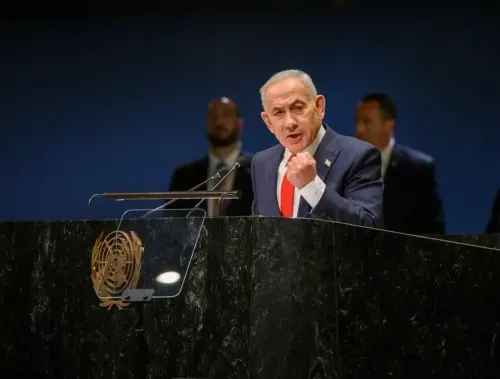
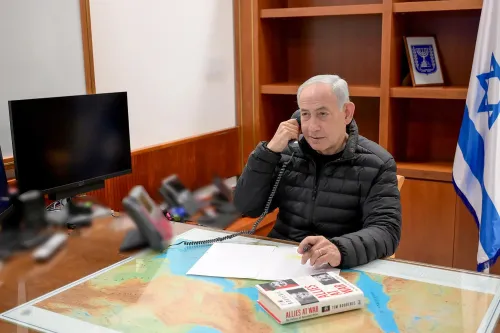
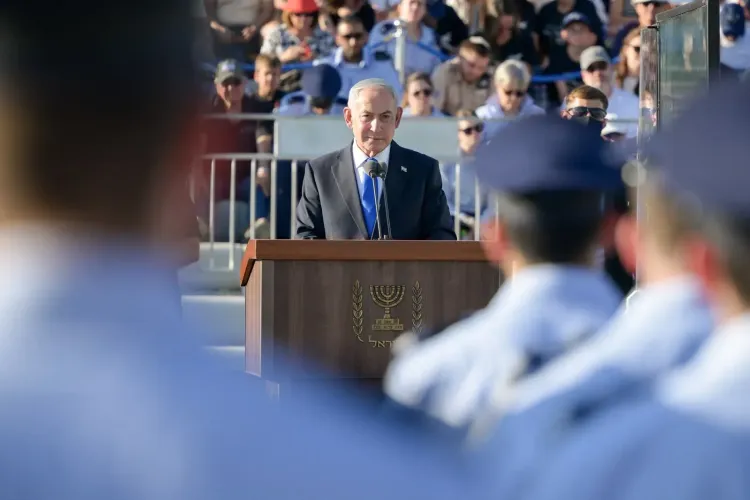
Israeli Prime Minister Benjamin Netanyahu declared on Thursday, 9 July that Israel would never permit Iran to acquire nuclear weapons, and announced a sweeping expansion of domestic arms production worth 350 billion shekels (approximately 116 billion US dollars) over the next decade. The statements, delivered at an air force pilots' graduation ceremony in Jerusalem, came as US-Iran tensions escalated sharply following fresh exchanges of strikes between the two powers.
Netanyahu's Nuclear Red Line
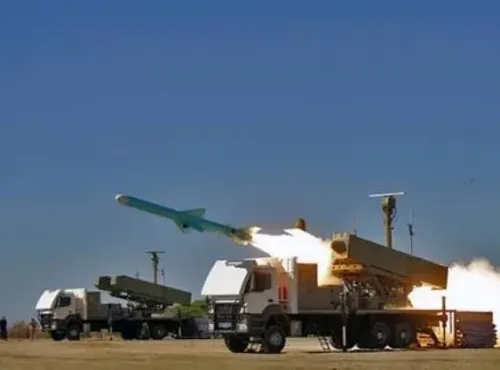
'Our policy is clear: with an agreement or without an agreement, Iran will not have nuclear weapons,' Netanyahu said at the ceremony. He further argued that had Israel and the United States not launched strikes on Iran, Tehran would have succeeded in arming itself. The remarks underline Israel's longstanding position that it retains the right to act unilaterally against Iranian nuclear ambitions, regardless of diplomatic progress.
Massive Defence Budget Expansion
Netanyahu announced plans to inject 350 billion shekels — roughly 116 billion US dollars — into Israel's defence budget over the coming decade. 'A large part of this will go to the air force, but within it we will also develop a broad Israeli-made munitions industry,' he said, adding that the move would 'reduce dependence on purchases from abroad.' The push signals a strategic shift toward self-sufficiency in military hardware, reducing Israel's reliance on foreign arms suppliers, including the United States.
Military on High Alert
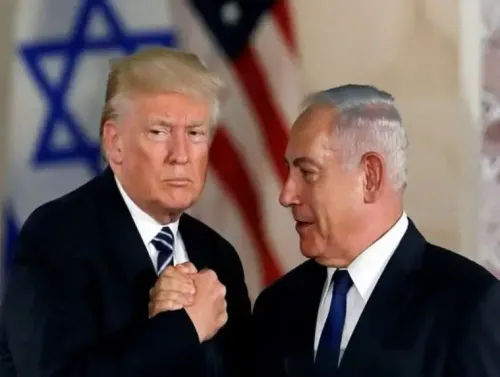
Israel's military chief, Eyal Zamir, said the armed forces were 'closely monitoring developments in Iran and Lebanon and ready for immediate action.' Defence Minister Israel Katz echoed that posture, stating the military was 'alert and ready for the resumption of the campaign.' The dual statements from the defence establishment reflect heightened readiness as the regional security environment deteriorates rapidly. Notably, this comes as US President Donald Trump declared that a deal with Tehran was 'over,' further narrowing the diplomatic window.
Israel's Position in Lebanon
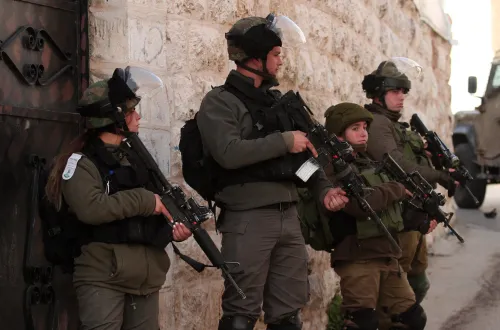
In a separate but connected development, Defence Minister Katz stated unequivocally that Israeli forces would remain in Lebanon until Hezbollah is fully disarmed across the country. 'We did not ask permission from any party to enter Lebanon, and we do not need permission to remain in Lebanon,' Katz said in an official statement. He described Israeli troops as having established 'a strong security zone in Lebanon,' stretching from the Mediterranean Sea in the west to Beaufort Castle near Arnoun in southern Lebanon, and reaching the approaches to Mount Hermon in the east.
What Comes Next
With US-Iran diplomacy effectively declared dead by President Trump, and Israel signalling readiness for further military action on multiple fronts, the Middle East faces one of its most volatile inflection points in years. The scale of Israel's proposed defence investment suggests Tel Aviv is preparing for a prolonged period of elevated conflict risk — both in Iran and in Lebanon. Regional observers will watch closely for any Iranian response and whether Washington recalibrates its posture in the coming days.
Point of View
The Lebanon posture — troops staying until Hezbollah is 'fully disarmed throughout Lebanon' — sets a bar that is almost impossible to verify, effectively giving Israel an open-ended mandate to remain. With Trump closing the diplomatic door on Iran, the conditions for a wider regional escalation are more structurally in place than at any point in the past two decades.
NationPress
8 Oct 2026
Frequently Asked Questions
What did Netanyahu say about Iran's nuclear programme on 9 July?
Netanyahu declared that Israel would not allow Iran to acquire nuclear weapons under any circumstances, whether or not a diplomatic agreement is reached. He made the statement at an air force pilots' graduation ceremony in Jerusalem on 9 July.
How much is Israel planning to increase its defence budget?
Israel plans to add 350 billion shekels — approximately 116 billion US dollars — to its defence budget over the next ten years. A significant portion is earmarked for the air force and for building a domestic Israeli munitions industry.
Why is Israel building its own munitions industry?
Netanyahu said the move would 'reduce dependence on purchases from abroad,' signalling a strategic push toward defence self-sufficiency. This follows periods of tension with foreign suppliers over arms deliveries during active conflicts.
What is Israel's stated position on remaining in Lebanon?
Defence Minister Israel Katz said Israeli forces will remain in southern Lebanon for as long as necessary, until Hezbollah is fully disarmed throughout the country. He said Israel established a security zone stretching from the Mediterranean Sea to Beaufort Castle and the approaches to Mount Hermon.
What is the current status of US-Iran relations?
US President Donald Trump declared that a deal with Tehran was 'over' following fresh exchanges of strikes between the United States and Iran. The breakdown of diplomacy significantly raises the risk of further military escalation in the region.