North Korea Blasts Japan PM's Yasukuni Shrine Offering as 'Historic Distortion'
Synopsis
North Korea and Russia have both condemned Japanese PM Sanae Takaichi's offering to the Yasukuni Shrine — which honours 14 Class A WWII war criminals — calling it a 'blatant distortion of history.' The backlash exposes deepening regional tensions over Japan's unresolved war legacy and accelerating remilitarisation.
Key Takeaways
North Korea's Rodong Sinmun on Saturday, April 26 condemned PM Sanae Takaichi's offering to Yasukuni Shrine as a 'blatant distortion of history.' The Yasukuni Shrine honours 14 Class A war criminals convicted by Allied forces after World War II , alongside Japan's war dead.
Russia's Foreign Ministry spokesperson Maria Zakharova on Friday accused Tokyo of whitewashing wartime crimes and ignoring historical lessons.
Zakharova also criticised Japan's easing of arms export restrictions and participation of Japanese troops in US-Philippines military exercises .
Korea was under Japanese colonial rule from 1910 to 1945 ; China was invaded by Imperial Japan during World War II , forming the basis of regional historical grievances.
Japan is simultaneously expanding its defence budget to 2% of GDP and deepening military alliances, raising concerns across the Asia-Pacific region.
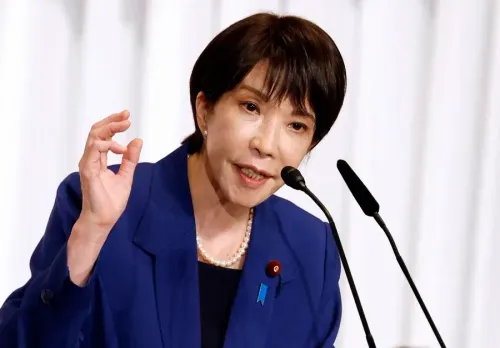
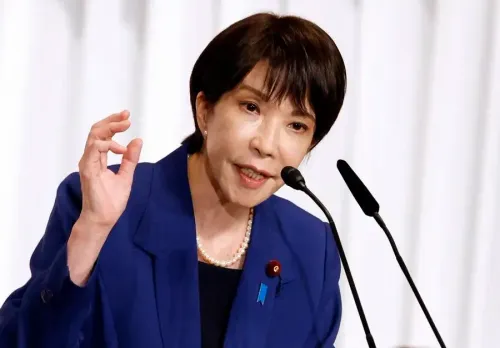
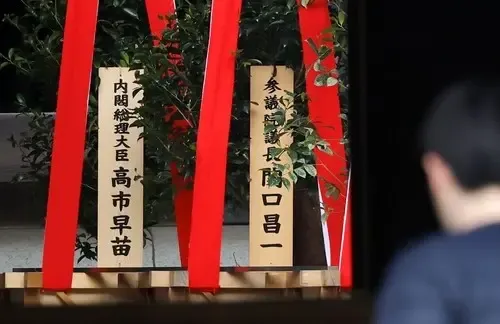
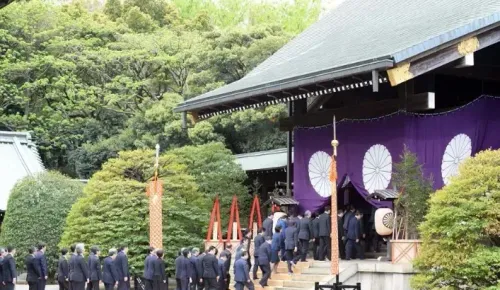
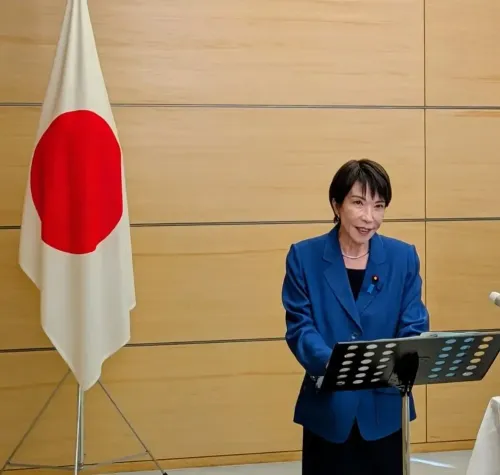
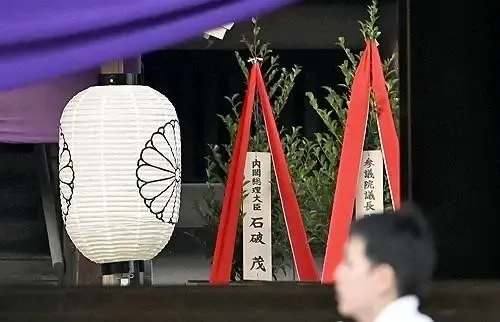
North Korea on Saturday, April 26 sharply condemned Japanese Prime Minister Sanae Takaichi for sending a ritual offering to the Yasukuni Shrine in Tokyo, denouncing the act as a 'blatant distortion of history' and a direct challenge to international justice and peace. The condemnation came days after Takaichi's offering on Tuesday, which drew immediate regional backlash from multiple governments across Asia.
North Korea's Condemnation of the Yasukuni Offering
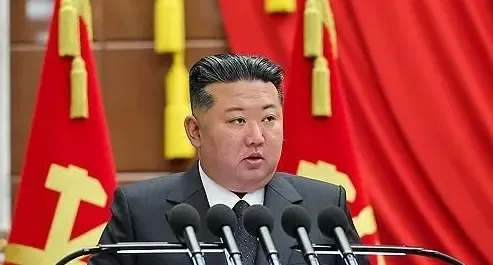
Pyongyang's state-run newspaper Rodong Sinmun published a scathing article calling the Yasukuni Shrine 'a place to pay respects to aggressors and war criminals who caused suffering that cannot be healed.' The article accused Tokyo of deliberately using shrine visits to 'disseminate militarism' and called on Japan to formally atone for its wartime past, according to reports by Yonhap News Agency.
The Yasukuni Shrine honours Japan's war dead, including 14 Class A war criminals convicted by Allied forces following World War II. The shrine has long been a flashpoint in East Asian diplomatic relations, with neighbours viewing official visits or offerings as an attempt to rehabilitate Japan's militaristic imperial legacy.
Russia Joins the Criticism — Zakharova's Strong Rebuke
Adding to the diplomatic pressure, Russian Foreign Ministry spokesperson Maria Zakharova on Friday accused the Takaichi administration of ignoring the lessons of history and whitewashing the crimes of Japanese militarism during World War II. Speaking at a regular press briefing, she described Takaichi's shrine offering as a demonstration of 'absolute disregard for the feelings of neighbouring peoples' who suffered under Imperial Japan.
Zakharova stated that the move reflects the administration's 'absolute ignoring of the lessons of history, and the whitewashing of the most brutal, monstrous crimes of the past.' She urged Japan to fully acknowledge the outcomes of World War II and abandon its policy of accelerating remilitarisation, as reported by Xinhua News Agency.
Notably, Zakharova also criticised Japan's recent easing of arms export restrictions, calling it a deliberate departure from the country's pacifist principles enshrined in its post-war constitution. She further expressed Russia's concern over Japanese combat troops participating in US-Philippines joint military exercises, warning that such moves escalate tensions across the Asia-Pacific region.
Historical Context — Why Yasukuni Remains a Regional Fault Line
Korea endured Japanese colonial rule from 1910 to 1945, a period marked by forced labour, cultural suppression, and widespread human rights abuses. China was the target of large-scale military invasion by Imperial Japan during World War II, resulting in millions of civilian casualties, including the widely documented Nanjing Massacre of 1937.
Both South Korea and China have consistently condemned official Japanese visits or offerings to the Yasukuni Shrine, arguing that honouring Class A war criminals alongside fallen soldiers is an act of historical revisionism. This diplomatic friction has repeatedly disrupted bilateral summits and trade negotiations across Northeast Asia.
This is not the first time Takaichi has drawn controversy over the shrine — she has a documented history of making offerings during major national holidays, a pattern that critics argue signals a broader ideological alignment with nationalist revisionism within Japan's Liberal Democratic Party (LDP).
Broader Implications — Japan's Remilitarisation Under Scrutiny
The shrine controversy unfolds against the backdrop of a significant strategic shift in Japanese defence policy. Under recent administrations, Japan has moved to double its defence budget to 2% of GDP, ease arms export restrictions, and expand military cooperation with the United States and Philippines. Critics, including Russia and China, argue this constitutes a fundamental departure from the pacifist constitution adopted after World War II.
The convergence of North Korea's ideological condemnation and Russia's geopolitical criticism creates a rare alignment of voices against Tokyo, reflecting deepening anxieties about the direction of Japanese foreign and defence policy in an already volatile region. Analysts note that Japan's growing military assertiveness, combined with unresolved historical grievances, risks further destabilising diplomatic channels in Northeast and Southeast Asia.
As Japan prepares for upcoming parliamentary sessions where defence budget allocations will be debated, international pressure over both historical accountability and military expansion is expected to intensify. The Yasukuni issue is likely to resurface at multilateral forums, including potential UN General Assembly discussions and bilateral diplomatic meetings between Tokyo, Seoul, Beijing, and Moscow in the coming months.
Point of View
Now colliding with its accelerating military future. What makes this moment particularly significant is the rare convergence of North Korean ideological condemnation and Russian geopolitical criticism, both targeting Tokyo simultaneously. While Japan frames its defence expansion as a response to regional threats, its failure to conclusively distance itself from war criminal glorification undermines the moral authority needed to lead in Asia. The world is watching whether Tokyo can reconcile its pacifist constitutional identity with its increasingly assertive strategic ambitions.
NationPress
19 Sept 2026
Frequently Asked Questions
Why did North Korea condemn Japan PM Takaichi's Yasukuni Shrine offering?
North Korea condemned the offering because the Yasukuni Shrine honours 14 Class A war criminals convicted after World War II, alongside Japan's war dead. Pyongyang's state newspaper Rodong Sinmun called it a 'blatant distortion of history' and a challenge to international justice and peace.
What is the Yasukuni Shrine and why is it controversial?
The Yasukuni Shrine in Tokyo honours Japanese war dead, including 14 Class A war criminals convicted by Allied forces after World War II. Countries like South Korea, China, and North Korea view official visits or offerings to the shrine as an attempt to glorify Japan's militaristic and colonial past.
What did Russia say about Japan's Yasukuni Shrine visit in 2025?
Russian Foreign Ministry spokesperson Maria Zakharova accused the Takaichi administration of ignoring historical lessons and whitewashing Japan's wartime crimes. She called the shrine offering a sign of 'absolute disregard' for neighbouring peoples who suffered under Imperial Japan and urged Tokyo to abandon remilitarisation.
How does Japan's remilitarisation connect to the Yasukuni controversy?
Critics argue that Japan's shrine visits, combined with its defence budget doubling to 2% of GDP and easing of arms export restrictions, signal a broader ideological shift away from its post-WWII pacifist constitution. Russia and China have specifically linked the two trends as evidence of Japan's dangerous remilitarisation.
Which countries have criticised Japan over the Yasukuni Shrine?
South Korea, China, North Korea, and Russia have all criticised Japan over Yasukuni Shrine visits or offerings by senior politicians. South Korea and China have the most direct historical grievances, having experienced Japanese colonial rule and military invasion respectively during World War II.