Kim Jong-un orders propaganda overhaul using modern tech to block outside influence
Synopsis
Kim Jong-un didn't just tweak his propaganda machine — he ordered it rebuilt for the digital age. At the third edition of a workshop inaugurated in 2022, he called for technology-enabled ideological enforcement to 'thoroughly block' foreign cultural infiltration, a signal that Pyongyang believes its existing censorship tools are falling short against a generation increasingly exposed to outside ideas.
Key Takeaways
Kim Jong-un called for modernising North Korea's propaganda apparatus at the party's third information sector workshop , which concluded on Monday, 21 September 2026 .
He specifically directed the use of 'modern information and technological means' to block 'reactionary ideological culture' — widely understood as foreign media and South Korean content.
Participants were told to intensify the 'information and publicity offensive' in support of decisions from the Ninth Congress of the Workers' Party of Korea .
The workshop format has been held annually since its 2022 inauguration ; Kim attended both the opening and closing of all three editions.
The directive suggests existing bans — including a strict 2020 anti-reactionary culture law — are seen as insufficient by the regime.
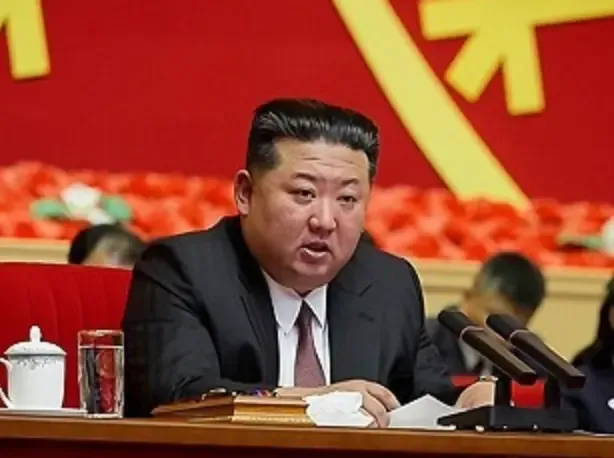
North Korean leader Kim Jong-un has directed ruling party officials to fundamentally modernise the regime's ideological machinery, calling for the adoption of 'modern information and technological means' to more effectively block foreign cultural influences, state media reported on Tuesday, 22 September 2026. The directive came during Kim's closing address at the party's third workshop for information sector officials, held in Pyongyang.
Key Directives from the Workshop
In his closing remarks on Monday, Kim laid out what he described as 'principled issues' — a set of tasks for overhauling 'the contents, forms, methods and means of ideological work,' according to the Korean Central News Agency (KCNA). He called for 'innovations in information and motivation work and creation of cultures,' urging that all such efforts align with 'the expectations of the times, the revolution and the people.'
Of particular note was Kim's emphasis on deploying advanced technological tools specifically to 'thoroughly block the spread of reactionary ideological culture' — a phrase widely understood as referring to outside media, foreign entertainment, and South Korean cultural content, which has reportedly continued to seep into the country despite strict bans.
What the Four-Day Workshop Covered
The four-day workshop, which concluded on Monday, was the third such gathering since its inaugural session in 2022. Sessions centred on ideological education built around Kim's own 'revolutionary ideas' and the regime's foundational mythology, including 'the revolutionary relics and the leadership exploits of the party,' KCNA reported.
Participants were instructed to intensify 'the information and publicity offensive' to mobilise citizens behind the decisions of the Ninth Congress of the Workers' Party of Korea, with ideological messaging to be tailored to individual sectors and work units. The session also covered 'fresh forms and methods of ideological work' and the use of 'visual aids' to maximise effectiveness, suggesting a move toward more multimedia-driven propaganda delivery.
Why This Escalation Now
Analysts have long noted that the Kim regime views cultural infiltration — particularly South Korean dramas, music, and online content — as an existential threat to ideological control. Pyongyang enacted a sweeping anti-reactionary culture law in 2020, prescribing severe penalties including death for distributing foreign content. The latest workshop signals that those measures are deemed insufficient, and that the regime is now seeking a technology-enabled upgrade to its censorship and propaganda apparatus.
This is the third workshop of this kind since the format was inaugurated in 2022, indicating it has become a recurring institutional mechanism — not a one-off response to a crisis. Kim's attendance at both the opening and closing ceremonies of all three workshops underlines the personal priority he attaches to ideological discipline.
Broader Context: Isolation and Information Control
North Korea remains one of the world's most information-restricted states, with citizens denied access to the global internet and subjected to a tightly curated domestic information environment. Critics and human rights observers argue that the regime's escalating focus on ideological enforcement reflects growing internal anxiety about the durability of that control, particularly among younger generations exposed to smuggled foreign media.
The latest directives are expected to translate into tighter surveillance, expanded use of intranet-based propaganda platforms, and potentially new penalties for information-sector officials who fail to meet ideological targets. How effectively such measures can stem the long-documented flow of outside content into the country, however, remains an open question.
Point of View
And that tells its own story. The regime's escalating investment in propaganda modernisation, including its explicit demand for new technology to seal information borders, suggests Pyongyang privately acknowledges that its existing controls are losing ground. The real audience for these directives may not be South Korea or the West, but the party's own mid-level officials, who are being put on notice that ideological failures will carry consequences. Whether technology can substitute for the economic legitimacy that increasingly underpins popular consent — even in closed states — is the question these workshops cannot answer.
NationPress
22 Sept 2026
Frequently Asked Questions
What did Kim Jong-un announce at the North Korea ideological workshop?
Kim Jong-un called on Workers' Party officials to overhaul North Korea's propaganda and ideological work, directing the use of 'modern information and technological means' to block foreign cultural influences. He laid out tasks covering the 'contents, forms, methods and means of ideological work' at the closing session of a four-day workshop on Monday.
Why is North Korea pushing to modernise its propaganda methods?
The regime views foreign media — particularly South Korean entertainment — as a threat to ideological control, and has enacted increasingly severe penalties for its distribution. The call for technological upgrades suggests existing censorship tools, including a 2020 law prescribing the death penalty for distributing foreign content, are seen as insufficient.
How often does this workshop take place, and is it new?
The workshop for information sector officials has been held annually since its inaugural session in 2022, making the latest gathering the third edition. Kim Jong-un has personally attended the opening and closing ceremonies of all three workshops.
What is the significance of the Ninth Congress of the Workers' Party of Korea reference?
Participants were specifically urged to mobilise citizens behind decisions taken at the Ninth Congress of the Workers' Party of Korea, indicating that the latest ideological campaign is directly tied to implementing that congress's policy agenda across all sectors and work units.
Who is affected by North Korea's tightened ideological controls?
The directives primarily affect North Korean citizens, information-sector party officials, and propaganda workers who will face new performance targets. Human rights observers warn that tighter surveillance and expanded technological monitoring will further restrict access to outside information for ordinary North Koreans.