Nvidia's Jensen Huang agrees to US Senate chip export hearing: Report
Synopsis
Nvidia CEO Jensen Huang has agreed to face the US Senate Banking Committee over advanced chip export safeguards — a hearing that could reshape how Washington polices semiconductor flows to China. With Commerce Secretary Lutnick also set to testify and Senate Democrats demanding document preservation, the scrutiny is widening fast.
Key Takeaways
Jensen Huang has agreed to appear before the US Senate Banking Committee to answer questions on advanced chip exports, per reports.
Committee Chairman Tim Scott had initially sought Huang's appearance on 3 December ; no formal date has been set.
Commerce Secretary Howard Lutnick has also agreed to testify voluntarily before the committee.
Senators Elizabeth Warren and Chris Coons wrote to senior administration officials on 11 November demanding preservation of documents related to Nvidia's chip exports and national-security concerns.
The senators also requested a briefing on alleged national-security risks tied to a reported intelligence operation involving Huang — described as allegations, not established findings.
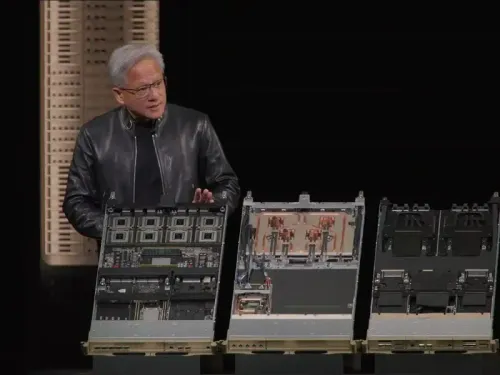
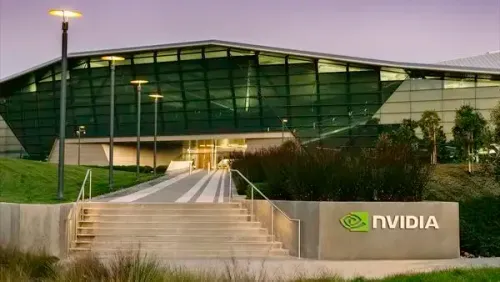
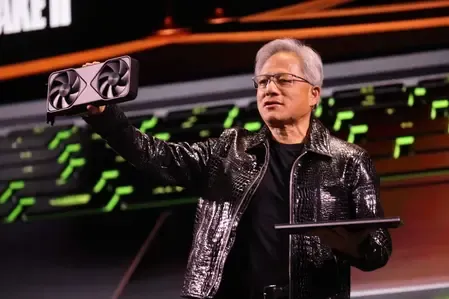
Jensen Huang, the founder and chief executive of Nvidia, has agreed to appear before the US Senate Banking Committee as lawmakers intensify scrutiny of safeguards governing exports of advanced American semiconductors, according to a report citing a spokesperson for committee Chairman Tim Scott. The development marks a significant step in congressional oversight of US chip export controls, particularly those aimed at restricting sensitive technology from reaching China and other restricted nations.
What Prompted the Senate Hearing
The Senate Banking Committee, which oversees export-control policy, has placed itself at the centre of congressional examination of restrictions designed to prevent cutting-edge US semiconductor technology from flowing to adversarial nations. Committee Chairman Tim Scott, a Republican from South Carolina, had initially requested Huang's appearance on 3 December. As of the latest reports, however, no hearing date has been formally set.
Scott's spokesperson was quoted as saying the 'Banking Committee is in communications with Huang regarding his upcoming appearance before the committee.' A spokesperson for Huang declined to immediately comment.
Commerce Secretary Also Called to Testify
Senator Scott has separately sought testimony from Commerce Secretary Howard Lutnick. A Commerce Department spokesperson previously confirmed that Lutnick had agreed to appear voluntarily to respond to the committee's questions. Together, the two appearances are expected to give lawmakers a comprehensive view of how export licences and national-security reviews were handled at both the corporate and federal levels.
Senate Democrats Seek to Preserve Documents
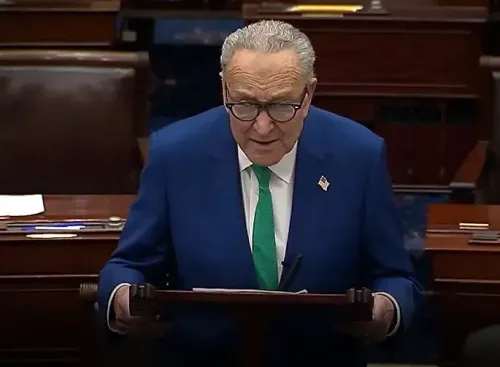
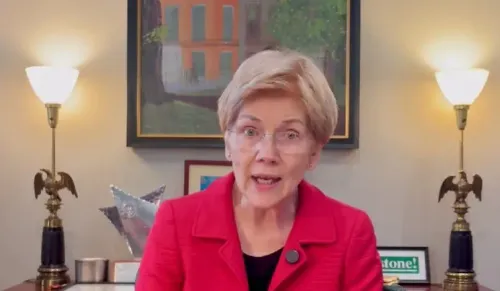
Senate Democrats have pursued a parallel line of oversight. In a 11 November letter, Senators Elizabeth Warren and Chris Coons wrote to Commerce Secretary Lutnick, Secretary of State Marco Rubio, and White House Chief of Staff Stephen Miller, requesting preservation of all documents and communications related to Nvidia's advanced-chip exports and associated national-security concerns.
The senators requested written confirmation by 17 November that preservation instructions had been issued across each official's office. Their request covered communications between Nvidia executives and senior administration officials, investigations into possible chip diversion, and decisions to weaken or suspend restrictions on advanced artificial intelligence technology.
Intelligence Concerns and Oversight Scope
Senators Warren and Coons also requested a congressional briefing on national-security risks arising from a reported intelligence operation involving Huang. It is important to note that these concerns were allegations cited in the senators' oversight request and do not constitute findings establishing any wrongdoing on Huang's part.
This comes amid broader US government efforts to tighten controls over exports of advanced AI chips — particularly high-performance graphics processing units used to train large language models — amid fears that such technology could enhance military and surveillance capabilities in restricted countries.
What Happens Next
The hearing date is yet to be confirmed, and negotiations between the committee and Huang's team are ongoing. When it does take place, the public session is expected to draw intense attention from the semiconductor industry, national-security community, and foreign-policy watchers tracking the trajectory of US-China technology competition. Any testimony could also inform pending legislative proposals to tighten or reform the existing export-control framework.
Point of View
Not personal. US export controls on advanced AI chips have been tightened, loosened, and tightened again in an ad hoc cycle that has left the semiconductor industry, allies, and adversaries alike struggling to plan. If Huang's testimony surfaces evidence that the administration granted or softened licences outside normal national-security review, the political fallout will extend well beyond Nvidia. Democrats' document-preservation demand signals they expect exactly that. The question is whether a public hearing produces accountability or simply theatre.
NationPress
18 Nov 2026
Frequently Asked Questions
Why is Jensen Huang appearing before the US Senate Banking Committee?
Huang has agreed to testify before the Senate Banking Committee as lawmakers scrutinise safeguards governing exports of advanced American semiconductors, particularly restrictions designed to prevent sensitive chip technology from reaching China. The committee oversees US export-control policy and is seeking his public testimony on how those controls were applied.
Has a date been set for the Nvidia chip export hearing?
No formal hearing date has been confirmed as of the latest reports. Committee Chairman Tim Scott had initially sought Huang's appearance on 3 December, but negotiations between the committee and Huang's team are still ongoing.
What role does the Senate Banking Committee play in chip export oversight?
The Senate Banking Committee oversees export-control policy, placing it at the centre of congressional review of restrictions intended to stop sensitive US semiconductor technology — including advanced AI chips — from reaching China and other countries subject to American controls.
What are Senators Warren and Coons asking for?
In an 11 November letter, Senators Elizabeth Warren and Chris Coons asked senior administration officials — including Commerce Secretary Howard Lutnick, Secretary of State Marco Rubio, and White House Chief of Staff Stephen Miller — to preserve all documents related to Nvidia's chip exports and related national-security concerns. They also requested a congressional briefing on a reported intelligence operation involving Huang, which they cited as an allegation, not a confirmed finding.
Is Jensen Huang accused of wrongdoing?
No. The senators' oversight letter cited allegations related to a reported intelligence operation involving Huang, but these are oversight concerns raised in a congressional request — not findings or charges establishing any wrongdoing on his part.