US senators push tougher China AI chip curbs amid Nvidia-Jensen Huang probe
Synopsis
Bipartisan pressure is mounting in the US Senate to close AI chip export loopholes to China — and the trigger is personal: allegations that Nvidia CEO Jensen Huang was targeted by a suspected Chinese intelligence operation. With three bills in play, an independent Nvidia probe underway, and Senate intelligence committees being pushed for briefings, the battle over American semiconductor technology just became impossible to ignore.
Key Takeaways
Senate Democratic Leader Chuck Schumer urged Congress on Tuesday to pass three bipartisan bills — the AI OVERWATCH Act , MATCH Act , and Chip Security Act — to restrict China's access to American AI technology.
Senators Elizabeth Warren and Jim Banks alleged Nvidia received approvals to export hundreds of thousands of advanced AI chips to China, including to firms with reported links to the Chinese military .
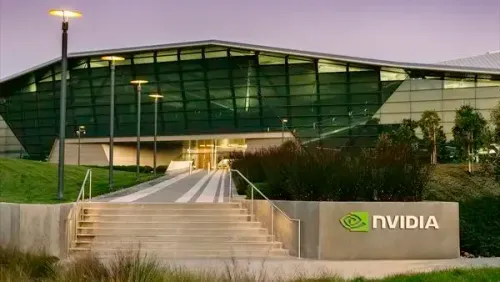
Nvidia launched an independent board investigation on 8 November into whether CEO Jensen Huang was targeted by a suspected Chinese intelligence operation .
President Donald Trump has publicly defended Huang; China has rejected the espionage allegations as groundless.
No finding has established that Huang knowingly assisted Chinese intelligence or that company secrets were compromised, according to available reports.
Senior US lawmakers from both parties are intensifying pressure on Washington to tighten export controls on advanced American artificial intelligence chips destined for China, with allegations surrounding Nvidia chief executive Jensen Huang sharpening national security concerns on Capitol Hill.
Key Developments
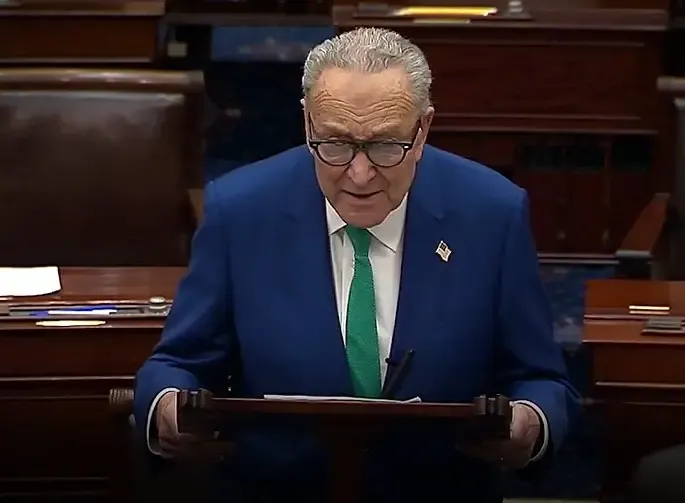
Senate Democratic Leader Chuck Schumer on Tuesday urged Congress to act swiftly on three bipartisan bills aimed at restricting China's access to American technology: the AI OVERWATCH Act, the MATCH Act, and the Chip Security Act. Schumer's call came in tandem with a joint statement from Democratic Senator Elizabeth Warren and Republican Senator Jim Banks demanding stronger export controls.
The renewed legislative push comes as lawmakers are reportedly weighing whether to fold advanced semiconductor restrictions into the annual defence policy legislation — a move that could significantly accelerate the timeline for new controls.
Allegations Against Nvidia and Jensen Huang
The escalation follows reports that Jensen Huang was allegedly targeted by a suspected Chinese intelligence operation involving a personal relationship. Nvidia's board announced an independent investigation on 8 November to examine whether its chief executive had been the target of foreign intelligence activity. The company said a committee of independent directors, assisted by outside legal counsel, would oversee the probe.
Notably, China rejected the allegations outright. Foreign Ministry spokesman Guo Jiakun described the accusations as groundless and characterised them as an attempt to smear Beijing. President Donald Trump has publicly defended Huang, stating the Nvidia chief told him he was unaware that the woman involved was suspected of being a spy — an explanation Trump said he accepted.
The allegations remain under active investigation, and no finding has established that Huang knowingly assisted Chinese intelligence or that company secrets were compromised.
What the Lawmakers Are Demanding
Schumer called for an immediate briefing for both the Senate and House intelligence committees on alleged Chinese efforts to obtain sensitive information from Nvidia and other American AI companies. 'We need a full accounting for Trump's failure to address foreign espionage in the American tech industry,' Schumer said on the Senate floor, directly accusing the President of inadequately confronting intelligence concerns.
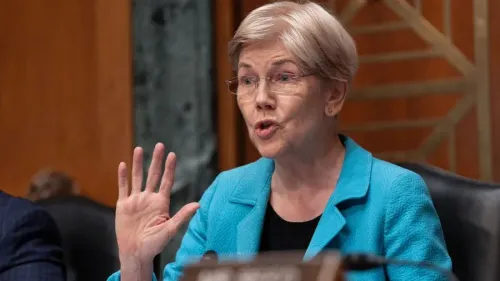
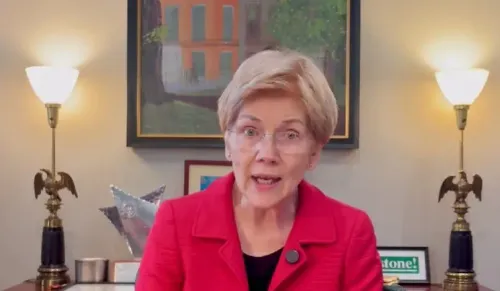
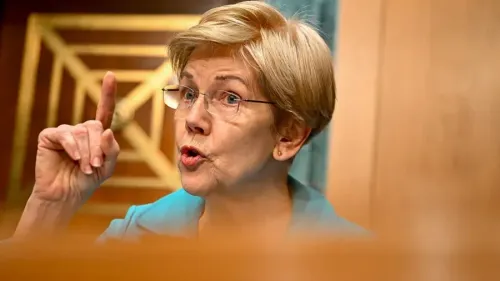
Warren and Banks, both members of the Senate Banking Committee, said they had urged the Commerce Department in March to reconsider Nvidia's export licences to China and conduct a comprehensive national security review. They alleged that Nvidia subsequently received approvals to export hundreds of thousands of advanced AI chips to China, including to companies with reported connections to the Chinese military.
'The Commerce Department should complement these efforts with immediate action to close export control loopholes,' Warren and Banks said in their joint statement.
Why This Matters
This comes amid a broader US effort to prevent cutting-edge semiconductor technology from bolstering China's military and AI capabilities — a tension that has defined tech policy since the Biden-era chip restrictions of 2022. The Nvidia allegations, still unresolved, have added an acute personal dimension to what had until now been a largely regulatory debate. Critics argue that existing export control frameworks contain significant gaps that adversarial actors can exploit through commercial channels.
What Happens Next
The three bills cited by Schumer are bipartisan, raising the prospect of faster movement than typical partisan legislation. The Commerce Department has not yet publicly responded to the latest demands from Warren and Banks. With the independent investigation at Nvidia ongoing and intelligence committees now being pushed to act, the coming weeks could determine both the fate of the proposed legislation and the trajectory of US-China technology decoupling.
Point of View
But the real accountability gap is at the Commerce Department, which reportedly continued approving Nvidia exports to Chinese entities even as security questions were being raised. The three bills are bipartisan, which matters — but bipartisanship on paper has not historically guaranteed speed on semiconductor legislation. The deeper question is whether Washington will address the loopholes in the existing framework or simply add new laws atop an already complex and inconsistently enforced regime.
NationPress
11 Nov 2026
Frequently Asked Questions
Why are US senators calling for tighter AI chip export controls on China?
Senators from both parties are demanding tighter controls following allegations that Nvidia CEO Jensen Huang was targeted by a suspected Chinese intelligence operation, combined with reports that Nvidia received export approvals to ship hundreds of thousands of advanced AI chips to Chinese entities, including companies with reported links to the Chinese military. Lawmakers argue the existing export control framework has significant loopholes.
What bills has Senator Schumer urged Congress to pass?
Schumer has called for the passage of three bipartisan bills: the AI OVERWATCH Act, the MATCH Act, and the Chip Security Act. All three are designed to restrict China's access to advanced American semiconductor and AI technology.
What is the Nvidia independent investigation about?
Nvidia's board announced on 8 November that an independent committee of directors, assisted by outside legal counsel, would investigate whether CEO Jensen Huang was the target of a foreign intelligence operation involving a personal relationship. No findings have been released, and no conclusion has been drawn that Huang knowingly assisted any intelligence effort or that company secrets were compromised.
How has China responded to the espionage allegations?
China has rejected the allegations as groundless. Foreign Ministry spokesman Guo Jiakun described the accusations as an attempt to smear Beijing, dismissing them without elaboration.
What has President Trump said about Jensen Huang?
President Donald Trump has publicly defended Huang, saying the Nvidia chief told him he did not know the woman involved was suspected of espionage. Trump said he accepted that explanation.