Balochistan: Pak forces kill teen, disappear 3 youths, rights groups say
Synopsis
Within days, Pakistani forces allegedly killed a 15-year-old student whose body was dumped in Panjgur after three months missing, and forcibly disappeared three young Baloch men — while an elderly farmer remains detained since 28 June in Gwadar. Rights bodies say this is not a series of isolated incidents but a documented, escalating pattern of impunity demanding urgent international action.
Key Takeaways
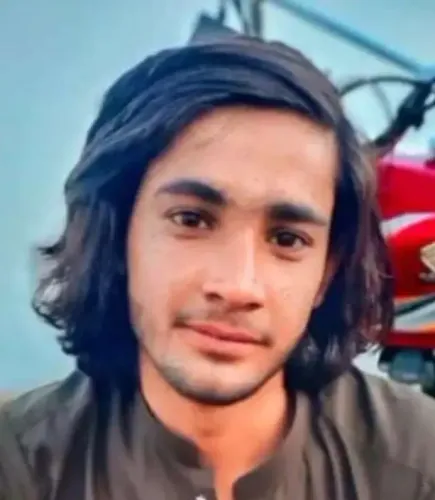
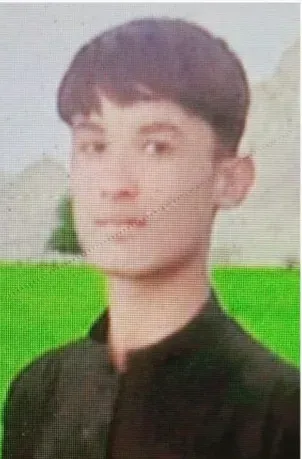
The body of Saif Jan, 15 , was recovered in Panjgur district on Monday , nearly three months after his disappearance; the BYC alleges he was extrajudicially killed by Pakistan-backed death squads.
Three young Baloch men — Hammal Khan (22) , Azizullah (20) , and Saddique (23) — were allegedly forcibly disappeared by Pakistani forces, according to the BVJ .
Elderly farmer Abdullah Mussa was allegedly detained by Pakistani forces on 28 June at a military checkpoint in Gwadar district .
Rights bodies BYC , BVJ , and Paank have all independently called for urgent international intervention.
Pakistan's government has historically denied allegations of state-sponsored disappearances in Balochistan .
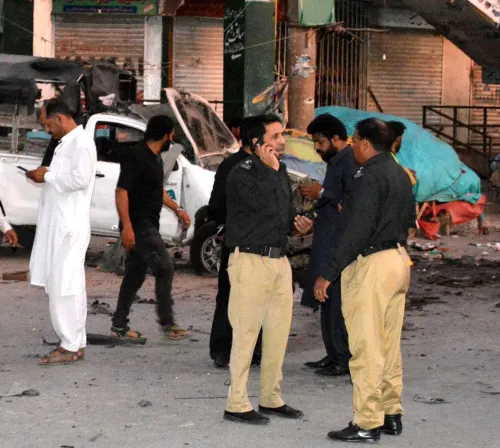
Pakistani forces allegedly killed a 15-year-old student and forcibly disappeared three young Baloch men in Balochistan, human rights organisations reported on Tuesday, 30 June, as documented atrocities against civilians in the province continued to mount. The incidents, attributed to Pakistani security forces and affiliated groups, drew urgent calls from rights bodies for international intervention.
Teen's Body Found After Three Months
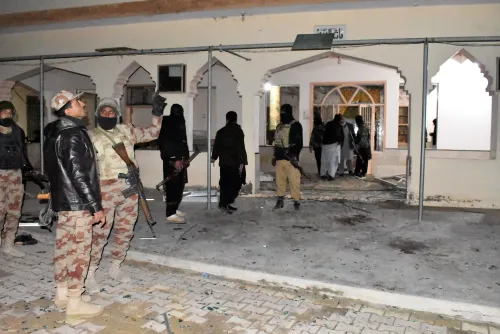
The Baloch Yakjehti Committee (BYC) revealed that the body of Saif Jan, a 15-year-old student, was recovered from the Airport Road area in Panjgur district on Monday, nearly three months after he had gone missing. According to the BYC, Saif Jan was allegedly killed by Pakistan-backed death squads following his enforced disappearance.
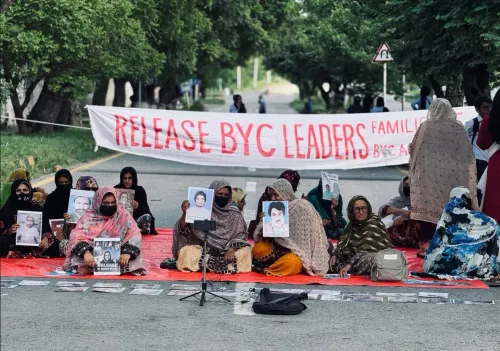
Condemning the killing, the BYC said, 'When the state sentences BYC leaders to life imprisonment without proving any crime, why does it never take action against those responsible for these killings?' The rights body urged international human rights organisations and the global community to take urgent action, stressing that the people of Balochistan face severe oppression and that their voices must not be ignored.
Three Young Men Allegedly Disappeared by Forces
Separately, the Baloch Voice for Justice (BVJ) on Tuesday alleged that Pakistani forces had forcibly disappeared three young Baloch men. The victims were identified as Hammal Khan, 22, Azizullah, 20, and Saddique, 23.
The BVJ said, 'Their families continue to endure uncertainty, anguish, and the denial of justice while the authorities fail to disclose their whereabouts or ensure accountability. Enforced disappearance is a grave violation of fundamental human rights and reflects a continuing pattern of impunity that demands urgent international attention.'
Elderly Farmer Also Detained in Gwadar
The latest incidents follow an earlier case reported on Sunday, when Paank, the human rights department of the Baloch National Movement, condemned the enforced disappearance of elderly Baloch farmer Abdullah Mussa by Pakistani forces on 28 June at a military checkpoint in Gwadar district.
'The detention of an elderly civilian is deeply condemnable and raises serious human rights concerns. We demand the immediate disclosure of his whereabouts and his safe release,' Paank stated. The incident adds to a growing list of documented cases of civilians detained at military checkpoints across the province.
A Pattern of Documented Impunity
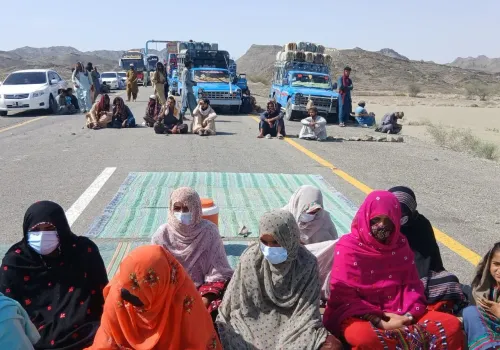
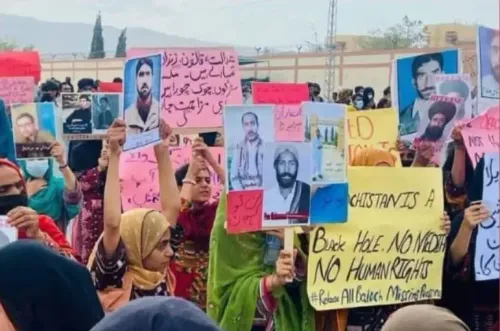
Rights organisations describe the situation in Balochistan as a sustained pattern of enforced disappearances and extrajudicial killings, carried out at what they characterise as an unprecedented scale. Multiple human rights bodies — including the BYC, BVJ, and Paank — have independently documented cases across districts including Panjgur and Gwadar, suggesting a systemic rather than isolated problem.
Pakistan's government has historically denied allegations of state-sponsored disappearances in Balochistan, though Pakistani courts have on occasion directed security agencies to produce missing persons. International bodies including the United Nations have previously flagged concerns over enforced disappearances in the province. With multiple incidents now documented within a single week, rights groups argue the international community can no longer treat these cases as isolated events.
Point of View
BVJ, and Paank — each documenting distinct incidents within the same week is significant: it suggests a level of systemic activity that individual case dismissals cannot explain away. What mainstream coverage often misses is that Balochistan's enforced disappearance crisis has been flagged by UN bodies for years with virtually no accountability mechanism in place. Pakistan's civilian government has repeatedly acknowledged the problem in court proceedings, yet security agencies have faced no structural consequences. The international community's response has so far amounted to periodic expressions of concern — a posture that rights groups argue has emboldened, not deterred, the pattern.
NationPress
30 Jun 2026
Frequently Asked Questions
Who was Saif Jan and what happened to him?
Saif Jan was a 15-year-old student from Balochistan who went missing for nearly three months before his body was recovered in the Airport Road area of Panjgur district on Monday, 29 June. The Baloch Yakjehti Committee (BYC) alleges he was extrajudicially killed by Pakistan-backed death squads following his enforced disappearance.
Who are the three youths allegedly disappeared by Pakistani forces?
The Baloch Voice for Justice (BVJ) identified the three youths as Hammal Khan (22), Azizullah (20), and Saddique (23). The BVJ alleged they were forcibly disappeared by Pakistani forces and called for urgent international attention to the case.
What is enforced disappearance and why is it a human rights concern?
Enforced disappearance refers to the secret detention or abduction of a person by state agents, with authorities refusing to acknowledge the detention or disclose the person's fate. It is classified as a grave violation of international human rights law, as it denies victims legal protections and leaves families without recourse.
What happened to elderly farmer Abdullah Mussa in Gwadar?
Abdullah Mussa, an elderly Baloch farmer, was allegedly detained by Pakistani forces on 28 June at a military checkpoint in Gwadar district. Rights body Paank — the human rights department of the Baloch National Movement — condemned the detention and demanded his immediate and safe release.
What have rights groups demanded in response to these incidents?
The BYC, BVJ, and Paank have all separately called on international human rights organisations and the global community to take urgent action. They have demanded disclosure of the whereabouts of the disappeared individuals, accountability for those responsible, and an end to what they describe as a continuing pattern of impunity in Balochistan.