Maharashtra CM Fadnavis orders 18 crore tree plantation drive with satellite monitoring
Synopsis
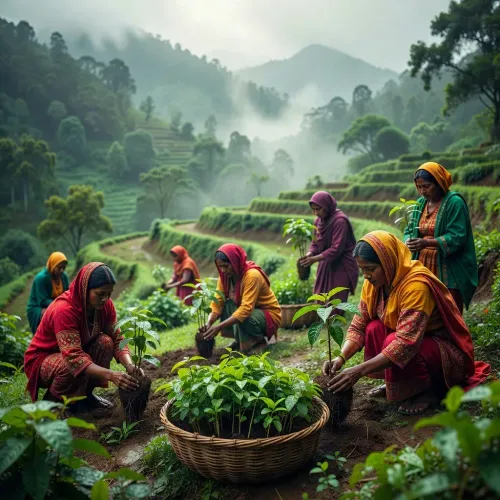
Maharashtra CM Devendra Fadnavis has set an ambitious target of 18 crore trees in a single year — backed by satellite tracking, drones, GIS land banks, and a PPP framework stretching from Gram Panchayats to municipal corporations. The Forest Department currently holds only 6 crore saplings, making the supply ramp-up as critical as the planting push itself.
Key Takeaways
CM Devendra Fadnavis on 30 June 2025 directed all Maharashtra departments to plant 18 crore trees this year.
Every Gram Panchayat must prepare a plantation plan via Gram Sabha resolution and upload it to the Central portal to access Central funding.
Real-time monitoring will use satellite technology , drones , and GIS systems to track sapling survival for up to six months .
The Forest Department currently has approximately 6 crore saplings , with a target to scale to 10 crore saplings by next year through PPP nurseries.
The Agriculture Department is producing 15 lakh saplings via university nurseries and 2.66 crore saplings through accredited private nurseries.
A PPP framework has been prepared for private organisations and is to be extended to municipal corporations .
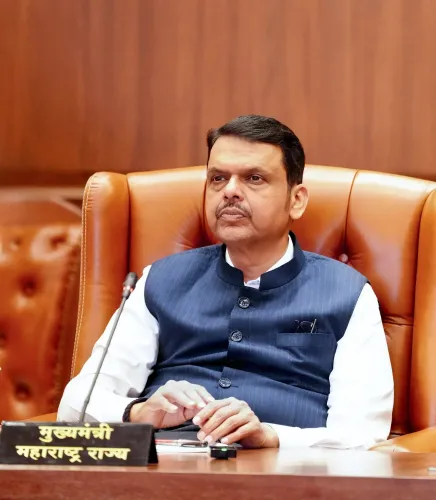
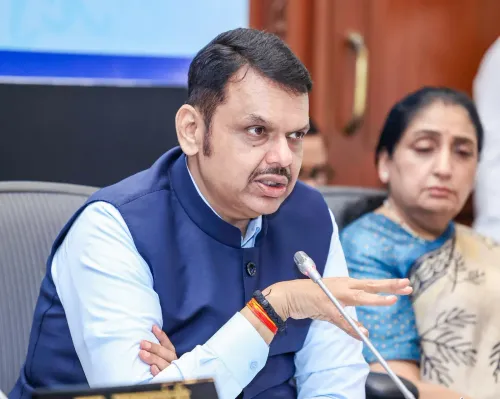
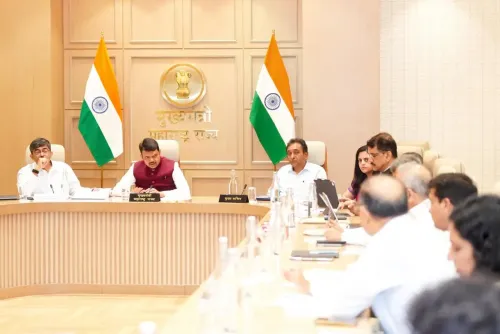
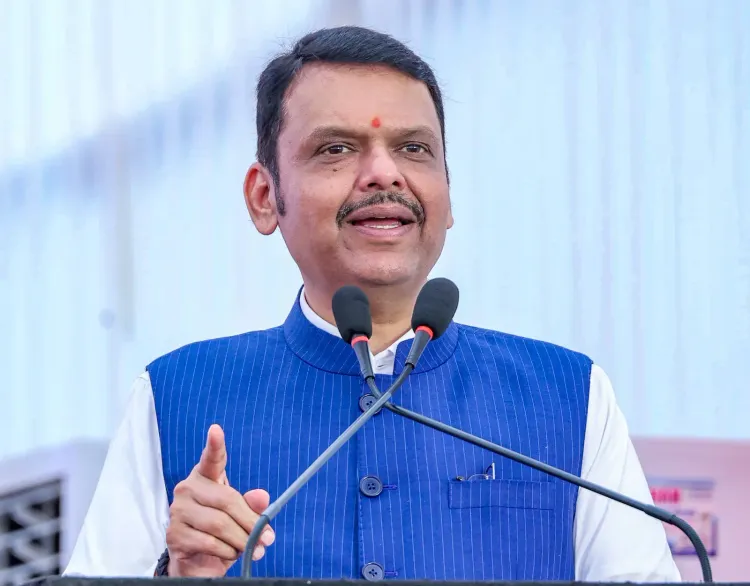
Maharashtra Chief Minister Devendra Fadnavis on Tuesday, 30 June directed all state departments to ensure the planting of 18 crore trees this year, calling for meticulous advance planning, deployment of satellite and drone technology, and a structured Public-Private Partnership (PPP) framework. The directives came as Fadnavis chaired a review meeting of the Harit Maharashtra Commission's tree plantation campaign in Mumbai.
Key Directives from the Chief Minister
Fadnavis instructed every Gram Panchayat across the state to identify available land, pass a formal tree plantation plan through a Gram Sabha resolution, and upload the plan to the Central Government's designated portal. Completing this exercise on time, he noted, would make Gram Panchayats eligible for Central funding support for plantation expenditure.
He directed Chief Executive Officers, District Collectors, and Forest Officers to jointly prepare village-level plantation plans and establish district-wise targets. Divisional Commissioners have been tasked with conducting district-level reviews and submitting periodic progress reports to the government.
Technology at the Centre of Monitoring
Real-time oversight of the plantation drive will be carried out using satellite technology, drones, and GIS systems. A dedicated mechanism has been developed to monitor the survival and growth of planted saplings for up to six months post-planting. The required technical infrastructure has been established through the Maharashtra Remote Sensing Application Centre.
A GIS-based Land Bank identifying suitable plantation land across Maharashtra has already been prepared and shared with District Collectors and relevant departments, providing a ready inventory for targeted action.
Sapling Availability and the PPP Framework
The Forest Department currently holds approximately 6 crore saplings and has set a target of scaling this capacity to 10 crore saplings by next year. To bridge the gap, participation of private nurseries under the PPP model will be expanded. Private investment will be encouraged in sapling production, sale, and distribution, while the Forest Department retains responsibility for planning, quality control, and overall monitoring.
The Agriculture Department is also contributing to sapling production. Approximately 15 lakh saplings are being raised in nurseries operated by agricultural universities, while 2.66 crore saplings are being produced through accredited private nurseries.
VB-G Ram Ji Scheme and Institutional Land Use
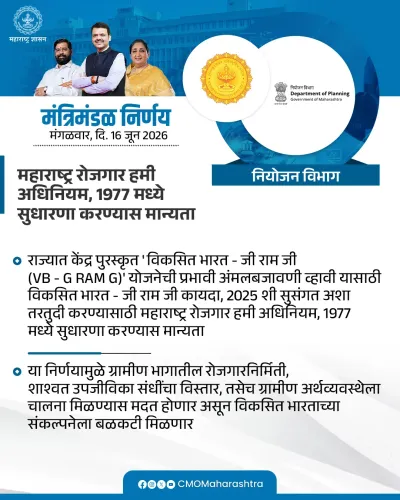
Fadnavis called for a significant expansion of tree plantation under the VB-G Ram Ji Scheme across the state. He also stressed that large tracts of land held by agricultural universities and other institutions should be actively utilised for plantation. The PPP framework, already prepared for private organisations, is to be extended to municipal corporations for wider adoption.
Advance planning to ensure adequate sapling availability before the next plantation season — including partnerships with private organisations and non-governmental organisations — was flagged as a priority. With the monsoon season under way, the state's ability to translate targets into verified ground-level plantation will be closely watched.
Point of View
With independent audits routinely finding that a significant share of planted saplings do not survive beyond the first monsoon. The six-month drone-and-satellite monitoring mechanism is a genuine structural improvement, but its credibility depends on who audits the auditors. The decision to link Central funding to Gram Sabha resolutions and portal uploads is smart incentive design; the risk is that data entry becomes the deliverable rather than actual green cover. With the Forest Department currently holding only a third of the saplings needed, the supply chain is the most immediate constraint — and one the PPP nursery ramp-up must solve before the planting window closes.
NationPress
30 Jun 2026
Frequently Asked Questions
What is Maharashtra's 18 crore tree plantation target?
It is an annual plantation goal set by Chief Minister Devendra Fadnavis on 30 June 2025, requiring all state departments, Gram Panchayats, private organisations, and municipal corporations to collectively plant 18 crore trees across Maharashtra during the current year. The drive is being coordinated through the Harit Maharashtra Commission.
How will Maharashtra monitor whether planted trees survive?
Real-time monitoring will be carried out using satellite technology, drones, and GIS systems through the Maharashtra Remote Sensing Application Centre. A dedicated mechanism tracks the survival and growth of saplings for up to six months after planting.
How can Gram Panchayats access Central Government funding for tree plantation?
Gram Panchayats must identify available land, pass a plantation plan through a Gram Sabha resolution, and upload it to the Central Government's designated portal. Completing this process on time makes them eligible for Central funding support on plantation expenditure.
How many saplings are currently available for the plantation drive?
The Forest Department holds approximately 6 crore saplings and is targeting an increase to 10 crore saplings by next year through expanded PPP nursery participation. Additionally, agricultural universities are producing about 15 lakh saplings and accredited private nurseries are raising 2.66 crore saplings.
What is the VB-G Ram Ji Scheme mentioned by CM Fadnavis?
The VB-G Ram Ji Scheme is a state-level tree plantation programme that CM Fadnavis has directed to be significantly expanded across Maharashtra. Gram Panchayats are expected to use the scheme's framework to plan and execute village-level plantation on identified available land.