Pakistan journalist killings: Rights body raises alarm over 31 cases in 2026
Synopsis
Pakistan's Human Rights Council documented 31 criminal cases, 9 arrests, 62 violent incidents and 2 journalist murders in under a year — releasing the data on the UN's global day against media impunity. With PECA increasingly used to silence reporters and one murder's motive still undetermined, the pattern points to a structural threat, not isolated incidents.
Key Takeaways
HRC-Pakistan raised the alarm on 2 November 2026 , the UN International Day to End Impunity for Crimes Against Journalists .
At least 31 criminal cases were registered against journalists between January and October 2026 , with 14 charged under PECA .
Nine journalists were arrested and 62 incidents of physical violence were recorded in the same period.
Freedom Network documented two journalist murders between October 2025 and August 2026 ; one confirmed linked to journalistic work.
HRC-Pakistan urged the government to amend 'vague and disproportionately restrictive' PECA provisions in consultation with press and legal experts.
The Human Rights Council of Pakistan (HRC-Pakistan) on 2 November 2026 expressed serious concern over the killings, violence, threats, and legal pressures faced by journalists across Pakistan, calling on authorities to guarantee press freedom and end impunity for crimes against media professionals. The statement was issued on the occasion of the International Day to End Impunity for Crimes Against Journalists, observed annually on 2 November under a United Nations General Assembly mandate first designated in 2013.
Scale of the Crisis
Citing a recent report by the Pakistan Press Foundation, HRC-Pakistan said at least 31 criminal cases were registered against journalists between January and October 2026, with 14 of those facing charges under provisions of Pakistan's Prevention of Electronic Crimes Act (PECA). During the same period, nine arrests of journalists and media workers were documented under various laws, alongside 62 incidents of physical violence or mistreatment and 24 cases of threats or harassment.
Separately, the Islamabad-based media watchdog Freedom Network documented the murder of two journalists between October 2025 and August 2026. One killing was confirmed to be directly linked to the victim's journalistic work; the motive behind the second remains undetermined, according to reports.
What HRC-Pakistan Said
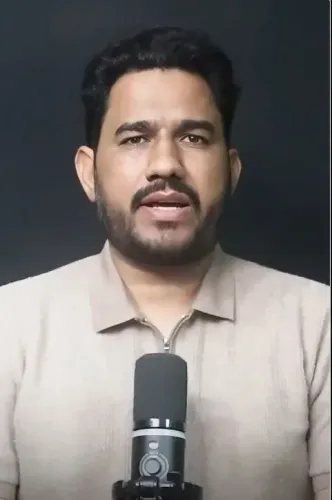
Jamshed Hussain, Chairperson of HRC-Pakistan, stated: 'The protection of journalists is intrinsically linked to the public's right to information, freedom of expression, and the accountability of state institutions. When a journalist is targeted for bringing facts to light, and the perpetrators escape punishment, it fosters an atmosphere of fear and silence across society.'
Hussain further warned: 'Criminalising reporting in the public interest, investigative journalism, dissent, and criticism of government performance is unacceptable. The law must not be used to silence journalists, access their sources, or entangle them in protracted legal proceedings.'
Key Demands from the Rights Body
HRC-Pakistan called on Pakistani authorities to conduct independent, effective, and transparent investigations into all killings and attacks on journalists, with affected families kept regularly informed of investigative and judicial progress. It also urged the government to bring perpetrators of killings, attacks, abductions, and threats to justice.
The rights body additionally called for a review and amendment of what it described as the 'vague and disproportionately restrictive provisions' of PECA that limit freedom of expression, to be undertaken in consultation with journalistic organisations, human rights bodies, and legal experts.
Broader Context and Pattern
Pakistan has consistently ranked among the most dangerous countries for journalists in global press freedom indices. The use of PECA — originally enacted to combat cybercrime — to prosecute reporters and commentators has drawn repeated criticism from international media rights groups. Notably, this is the second consecutive year in which HRC-Pakistan has issued a public alarm on journalist safety around the 2 November observance, reflecting what critics argue is a structural, not episodic, threat to press freedom in the country.
'A journalist's question is not the enemy of the state. Answers to questions must be provided through reason, information, and accountability. Claims of press freedom will remain hollow without an environment free of fear for journalists and justice for affected families,' Hussain added.
What Comes Next
HRC-Pakistan's statement sets a clear public benchmark against which the government's response — or absence of it — will be measured in coming weeks. With international scrutiny heightened on 2 November each year, pressure on Islamabad from global human rights bodies is likely to intensify, particularly over the PECA provisions that rights advocates say are being weaponised against the press.
Point of View
A cybercrime law, has become a go-to instrument for suppressing investigative and critical reporting. That 14 of 31 cases invoke PECA suggests a deliberate legal strategy, not administrative overreach. International pressure on 2 November each year creates momentary visibility, but Pakistan's structural press freedom deficit — rooted in both state and non-state actors — has shown no sign of reversal. The unanswered question is whether the government will treat this statement as a performance obligation or a genuine policy prompt; its track record on PECA reform offers little reason for optimism.
NationPress
2 Nov 2026
Frequently Asked Questions
How many journalists were targeted in Pakistan in 2026?
According to the Pakistan Press Foundation, at least 31 criminal cases were filed against journalists between January and October 2026, with 9 arrests, 62 incidents of physical violence, and 24 cases of threats or harassment documented in the same period.
What is PECA and why is it controversial for journalists?
PECA, Pakistan's Prevention of Electronic Crimes Act, was enacted to address cybercrime but critics argue its vague provisions are increasingly being used to prosecute journalists for online reporting, dissent, and criticism of government performance. HRC-Pakistan has called for its restrictive provisions to be reviewed and amended.
How many journalists were killed in Pakistan during this period?
Freedom Network documented the murder of two journalists between October 2025 and August 2026. One killing was confirmed to be linked to journalistic work; the motive for the second remains undetermined, according to the rights body.
What is the International Day to End Impunity for Crimes Against Journalists?
It is a day designated by the UN General Assembly in 2013, observed annually on 2 November, to raise global awareness about violence against media professionals and to push for accountability for crimes committed against them.
What has HRC-Pakistan demanded from the government?
HRC-Pakistan has called for independent, transparent investigations into all journalist killings and attacks; for PECA's restrictive provisions to be amended in consultation with press and legal bodies; and for perpetrators of violence, abductions, and threats against journalists to be brought to justice.