Pakistan bishops raise blasphemy, forced conversion crisis with Pope Leo XIV
Synopsis
Pakistan's Catholic bishops took their most urgent concerns — blasphemy law abuse, forced conversions, and systemic discrimination — directly to Pope Leo XIV at the Vatican. The Pope reportedly expressed interest in visiting Pakistan, a move that would be historic for the country's beleaguered Christian minority. Back home, minority groups are simultaneously pushing for sweeping constitutional reforms, including banning religious conversions of minors and introducing direct legislative representation for non-Muslims.
Key Takeaways
A delegation of three archbishops , four bishops , and a cardinal from Pakistan met Pope Leo XIV at the Vatican .
Bishop Samson Shukardin , president of the Catholic Bishops' Conference of Pakistan , highlighted misuse of blasphemy laws , forced conversions, and discrimination against Christians.
The bishops invited Pope Leo XIV to visit Pakistan; the Pope reportedly expressed interest but no official travel announcement has been made.
Minorities Alliance Pakistan (MAP) has demanded inclusion of minority protections in the proposed 28th Constitutional Amendment Bill .
MAP called for a ban on conversion of under-18s without judicial consent and amendments to Articles 51 and 106 for direct minority representation.
MAP chairman Akmal Bhatti urged the Parliamentary Committee on Constitutional Reforms to consult minorities before finalising the amendment.
A delegation of Catholic bishops from Pakistan — comprising three archbishops, four bishops, and a cardinal — visited the Vatican to present departmental reports and hold direct talks with Pope Leo XIV, using the audience to spotlight the deepening crisis facing Christians in Pakistan. Bishop Samson Shukardin of Hyderabad, president of the Catholic Bishops' Conference of Pakistan, led the advocacy effort, according to a report by International Christian Concern.
Key Challenges Raised Before the Pope
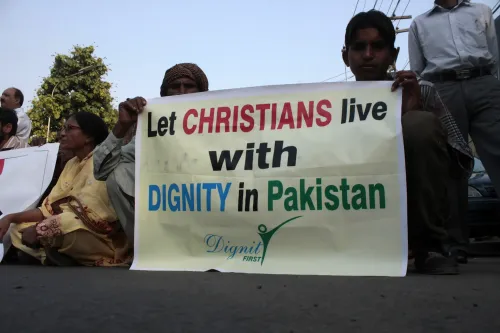
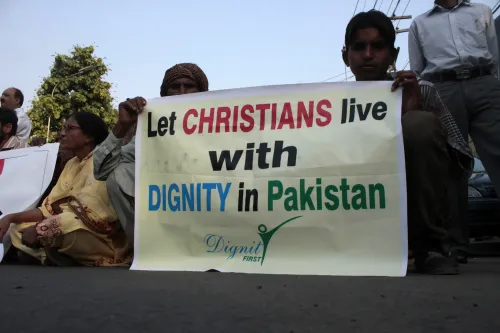
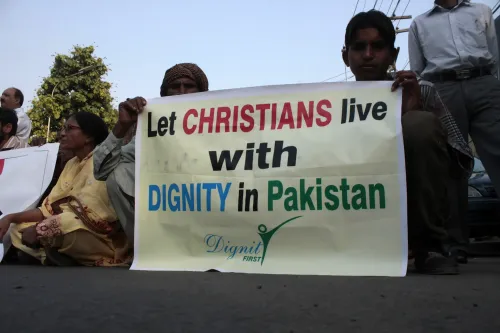
Bishop Shukardin placed three interconnected concerns before the papal delegation: the systematic misuse of blasphemy laws, entrenched discrimination against Christians in daily civic life, and a rising incidence of forced conversions and coerced marriages targeting young Christian girls. He stressed that Christians in Pakistan are not accorded equal rights and face persistent social and institutional discrimination.
The concerns are not new, but the forum was significant — a direct papal audience representing the highest-profile international platform the Pakistani Church has accessed in recent years.
Bishops Invite Pope Leo to Visit Pakistan
During the meeting, the delegation formally invited Pope Leo XIV to visit Pakistan. The Vatican has not issued an official travel announcement, but according to the International Christian Concern report, the Pope expressed genuine interest in the request and assured the bishops of his desire to make such a visit in the future.
A papal visit, if it materialises, would carry enormous symbolic weight for Pakistan's Christian minority, which numbers roughly 2.5 million people — a small but historically significant community in a country of over 230 million.
Minority Rights Groups Push for Constitutional Reforms
The Vatican meeting came days after a parallel push on the domestic front. Leaders of the Minorities Alliance Pakistan (MAP) and allied organisations held a press conference in Islamabad, presenting a reform package tied to the proposed 28th Constitutional Amendment Bill. Their demands call for strengthening protections for religious minorities, women, and children.
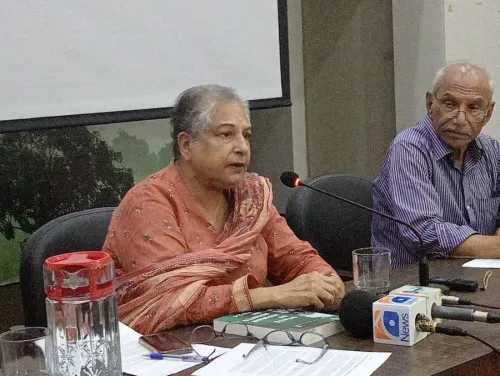
MAP chairman Akmal Bhatti argued that Pakistan cannot function as a genuine pluralistic democracy so long as constitutional provisions bar non-Muslims from the offices of President and Prime Minister, and while minority communities lack direct democratic representation in legislatures. According to a report in Eurasia Review, Bhatti said the proposed reforms were aimed at ensuring equality before the law and equal opportunities for all citizens.
Specific Proposals on Child Protection and Representation
Among the most concrete demands, MAP called for a ban on religious conversion of individuals below 18 years of age unless free and informed consent is recorded before a judicial magistrate. The alliance also demanded amendments to Articles 51 and 106 of the Constitution to introduce direct elections for seats reserved for non-Muslims and women in the National Assembly and provincial assemblies — replacing the current system of party-allocated reserved seats that critics argue dilutes minority political agency.
Bhatti urged the Parliamentary Committee on Constitutional Reforms to consult minority communities, legal experts, and civil society organisations before finalising the amendment package.
What Comes Next
The twin tracks — a Vatican-level diplomatic appeal and a domestic constitutional push — reflect growing urgency among Pakistan's minority communities. Whether the 28th Constitutional Amendment Bill incorporates any of MAP's proposals remains to be seen, and the government has not yet formally responded to the reform package. The Pope's eventual decision on a Pakistan visit will be closely watched as a barometer of international attention on minority rights in the country.
Point of View
But the structural problems Bishop Shukardin described — blasphemy law abuse, forced conversions, institutional discrimination — have been documented for decades without meaningful legislative redress in Pakistan. The simultaneous domestic push for a 28th Constitutional Amendment is the more consequential battleground: if minority groups cannot secure even a ban on converting minors without judicial oversight, the papal interest in visiting Pakistan will remain a symbolic gesture rather than a catalyst for change. Pakistan's record on minority protection has drawn consistent international criticism, yet successive governments have treated constitutional reform as politically too costly to pursue. The real test is whether this rare convergence of Vatican-level attention and a live amendment process produces anything enforceable.
NationPress
23 Sept 2026
Frequently Asked Questions
Why did Pakistan's Catholic bishops visit the Vatican?
The bishops visited the Vatican to submit departmental reports and meet Pope Leo XIV, using the audience to raise concerns about the treatment of Christians in Pakistan, including blasphemy law misuse, forced conversions, and systemic discrimination.
What did Bishop Samson Shukardin tell Pope Leo XIV?
Bishop Shukardin told the Pope that Christians in Pakistan face unequal rights, constant social and institutional discrimination, misuse of blasphemy laws, and a rising number of forced conversions and coerced marriages targeting young Christian girls, according to International Christian Concern.
Did Pope Leo XIV agree to visit Pakistan?
Pope Leo XIV reportedly expressed interest in visiting Pakistan and assured the delegation of his desire to do so in the future, according to International Christian Concern. The Vatican has not issued an official travel announcement.
What is the Minorities Alliance Pakistan demanding in the 28th Constitutional Amendment?
MAP is demanding a ban on religious conversion of individuals under 18 without judicial consent, amendments to Articles 51 and 106 for direct minority representation in the National Assembly and provincial assemblies, and broader protections for religious freedom, women, and children.
Can non-Muslims become President or Prime Minister of Pakistan?
No. MAP chairman Akmal Bhatti noted that current constitutional provisions bar non-Muslims from holding the offices of President and Prime Minister, which he argued prevents Pakistan from functioning as a genuine pluralistic democracy.