15 newborns die in PIMS fire, Pakistan rights body flags staffing and safety failures
Synopsis
Fifteen newborn babies are dead after a fire at PIMS Islamabad — and Pakistan's Human Rights Council says the real story is a systemic failure: understaffed neonatal wards, non-compliant fire safety plans across thousands of Islamabad buildings, and an accountability vacuum that made this tragedy predictable.
Key Takeaways
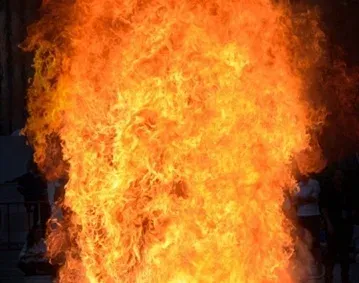
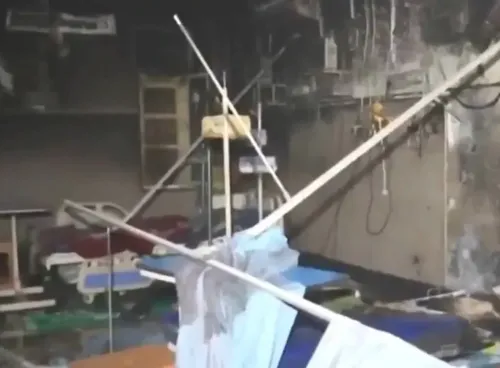
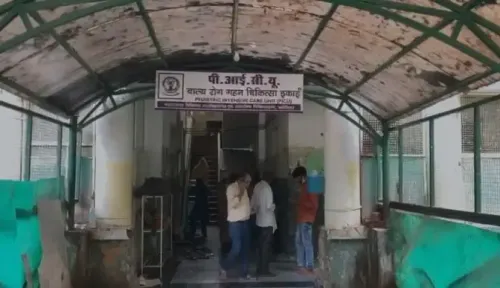
At least 15 newborn babies died after a fire broke out in the Gynaecology ward of PIMS, Islamabad .
HRC-Pakistan said the deaths cannot be dismissed as a routine fire incident, raising questions over neonatal staffing ratios and safety protocols.
International standards recommend a 1:1 nursing ratio for ICU neonates; the council demanded clarity on whether PIMS met this benchmark.
The Capital Development Authority (CDA) had previously surveyed thousands of Islamabad buildings and found serious fire safety deficiencies in a large number.
HRC called for a transparent probe, public accountability, and an independent review of fire safety across all hospitals and public buildings in Islamabad.
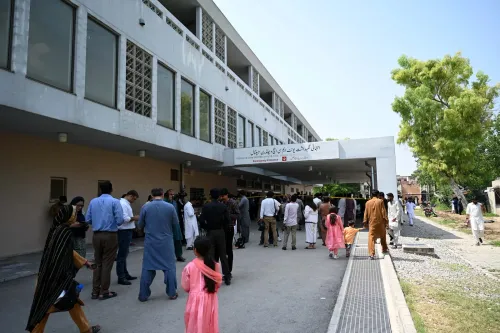
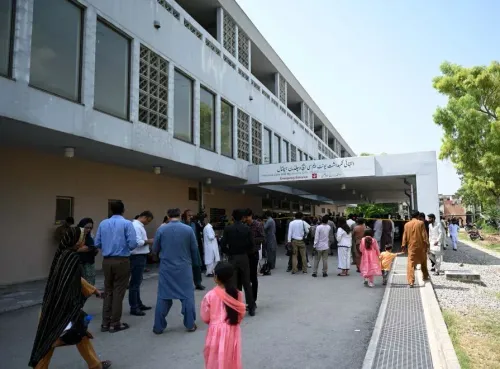
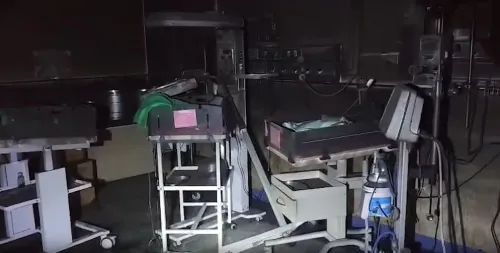
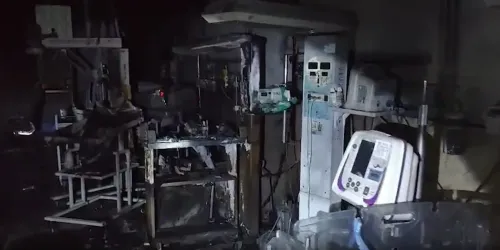
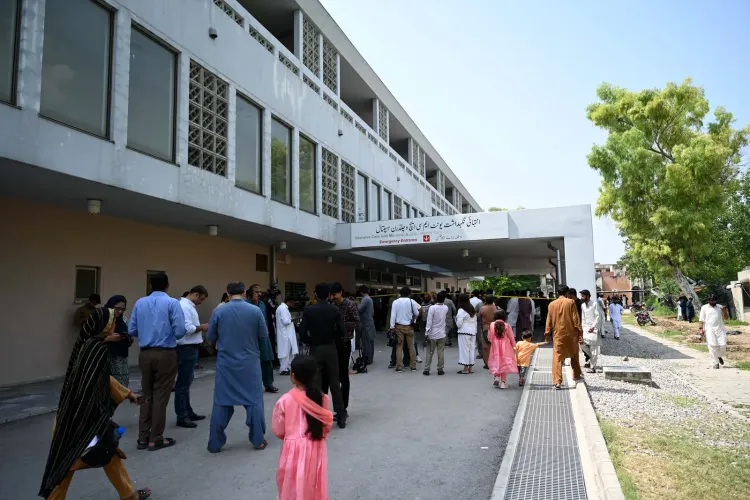
At least 15 newborn babies died after a massive fire swept through the Gynaecology ward of the Pakistan Institute of Medical Sciences (PIMS) in Islamabad, triggering a sharp response from the Human Rights Council of Pakistan (HRC-Pakistan), which on Thursday, 27 August said the tragedy cannot be reduced to a fire incident alone. The rights body raised urgent questions about neonatal staffing ratios, emergency evacuation protocols, and systemic safety failures at one of Pakistan's premier public hospitals.
What the Rights Body Said
HRC-Pakistan stressed that the probe must extend well beyond determining the fire's origin. Citing international neonatal care benchmarks, the council noted that standards recommend a 1:1 nursing ratio for babies in intensive care, 1:2 in high dependency, and 1:4 in special care. It demanded clarity on how many of the 15 deceased infants required each level of care and whether adequate staff was actually deployed at the time of the incident.
'If negligence at any level, staff shortage, or safety lapses are proven, the responsible individuals be identified, and accountability ensured,' the HRC stated, calling for a comparative audit of required versus present doctors, nurses, and technical personnel.
Wider Fire Safety Crisis in Islamabad
The council described the broader fire safety situation across Islamabad as 'extremely alarming,' citing government and media reports indicating that the Capital Development Authority (CDA) had surveyed thousands of buildings and found serious deficiencies in a large number — particularly regarding approved fire safety plans, valid certificates, and the implementation of effective safety measures.
'Following the tragic incident at PIMS, this issue is no longer confined to just one hospital but has become a serious question mark on the fire safety of all hospitals, public buildings, educational institutions, and multi-story buildings across Islamabad,' HRC stated. This comes amid longstanding concerns in Pakistan about enforcement gaps in building safety regulations.
Demands for Accountability
HRC-Pakistan called on Pakistani authorities to conduct a transparent investigation, ensure full public disclosure of findings, and hold those responsible publicly accountable. The body also demanded an independent review of fire safety infrastructure, emergency evacuation systems, and rescue arrangements — not just at PIMS but across public institutions in the capital.
'Fire safety is not a mere formality certificate; it is a fundamental requirement for the protection of human lives. Instead of waiting for another tragedy, state institutions will have to take immediate practical measures,' the council stressed.
What Happens Next
Authorities in Pakistan have not yet publicly detailed the scope or timeline of the investigation. The HRC's intervention adds pressure on both the hospital administration and federal regulators to respond with verifiable action rather than procedural assurances. Rights groups and civil society organisations are reportedly monitoring developments closely, with demands for systemic reform in public hospital safety standards growing louder.
Point of View
Not an act of God. Pakistan's neonatal wards have long operated under staffing pressures that fall short of international benchmarks, and the CDA's own surveys had already flagged fire safety deficiencies across Islamabad's buildings — meaning the warning signs were documented. The HRC's intervention is necessary, but the harder question is whether Pakistan's accountability mechanisms can move from public statements to structural reform. Without enforceable fire safety compliance and independent staffing audits, the next tragedy is a matter of when, not if.
NationPress
27 Aug 2026
Frequently Asked Questions
What happened at PIMS Islamabad?
At least 15 newborn babies died after a massive fire broke out in the Gynaecology ward of the Pakistan Institute of Medical Sciences (PIMS) in Islamabad. The incident was reported on Wednesday, 27 August, and has prompted urgent calls for a full investigation into both the fire's cause and the hospital's neonatal care standards.
What is HRC-Pakistan demanding after the PIMS fire?
The Human Rights Council of Pakistan has demanded a transparent investigation that goes beyond the fire's origin to examine neonatal staffing ratios, emergency evacuation protocols, and fire safety infrastructure. It has called for a comparative audit of required versus deployed medical staff and for public accountability if negligence is established.
What are international neonatal staffing standards?
According to international neonatal care guidelines cited by HRC-Pakistan, a 1:1 nurse-to-baby ratio is recommended for intensive care, 1:2 for high dependency, and 1:4 for special care. The council has asked PIMS to clarify whether these ratios were met at the time of the fire.
How widespread are fire safety failures in Islamabad?
According to government and media reports cited by HRC-Pakistan, the Capital Development Authority (CDA) surveyed thousands of buildings in Islamabad and found serious deficiencies in a large number, particularly around approved fire safety plans, valid certificates, and effective safety implementation.
Who is responsible for the PIMS investigation?
Pakistani authorities have not yet publicly detailed the investigation's scope or timeline. HRC-Pakistan has called on state institutions to conduct an independent review and ensure findings are made public, with accountability for any individuals found responsible for negligence or safety lapses.