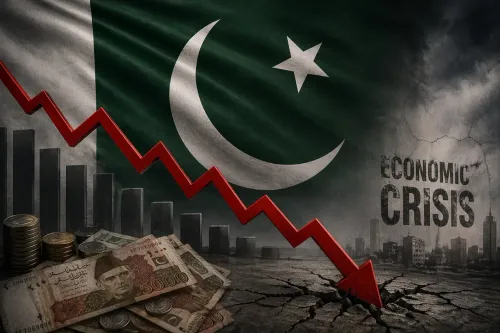
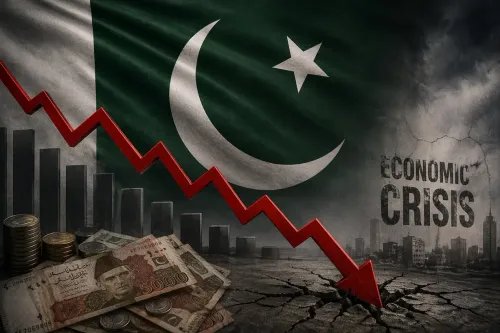
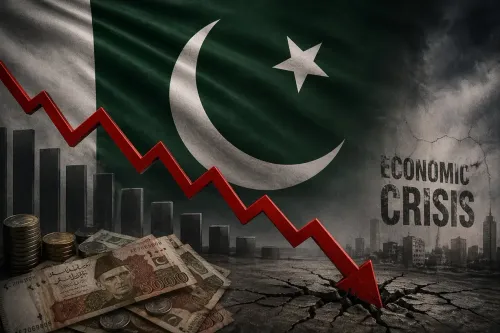
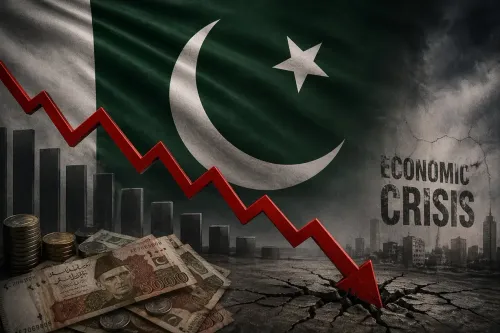
Pakistan FDI drops 28% in FY26 as regional tensions deter foreign investors
Synopsis
Pakistan's FDI collapsed 28% in FY26, bond markets bled over $2 billion, and equity outflows outpaced inflows by more than three-to-one — all while central government debt hit a record Rs 81.93 trillion. Regional tensions are doing what IMF warnings alone could not: keeping foreign capital away at the worst possible time, with $26 billion in external debt repayments looming in FY27.
Key Takeaways
Pakistan FDI declined 28% during the first 11 months of FY26 , according to an Asia News Network analysis.
Domestic bond market recorded a net outflow of $550 million ; total bond outflows exceeded $2 billion in the period.
Foreign equity inflows stood at $308 million between 1 July 2025 and 19 June , while outflows exceeded $1 billion .
Pakistan faces external debt repayments of over $26 billion in FY27 and a trade deficit of roughly $35 billion in FY26.
Central government debt reached a record Rs 81.93 trillion , rising Rs 1.4 trillion in April alone, per Business Recorder .
Pakistan's financial markets and investment climate are under sustained pressure from regional instability and geopolitical uncertainty, with foreign direct investment (FDI), bond inflows, and equity participation all declining during FY26, according to an analysis by the Asia News Network (ANN). The data points to a deepening investor confidence crisis even as Pakistan's foreign exchange reserves and remittance inflows have shown some improvement.
FDI and Bond Market Under Pressure
FDI into Pakistan fell 28% during the first 11 months of FY26, according to the report. The domestic bond market recorded a net outflow of approximately $550 million, with total outflows from domestic bonds surpassing $2 billion over the same period. Analysts cited in the report attributed the decline to persistent geopolitical uncertainty and concerns over Pakistan's external sector, which have kept overseas investors on the sidelines despite a recent pause in regional hostilities.
Equity Market Gains Fail to Draw Foreign Capital
Although the Pakistan Stock Exchange posted strong nominal gains during the period, it failed to sustain meaningful foreign participation. Data from the State Bank of Pakistan showed that between 1 July 2025 and 19 June, foreign inflows into the equity market stood at $308 million, while outflows exceeded $1 billion — a net drain that underscores the gap between domestic market performance and international investor sentiment.
External Debt and Trade Deficit Add to Strain
Pakistan's external financing requirements remain elevated despite stronger remittance inflows. The country faces external debt repayments exceeding $26 billion in FY27, alongside a trade deficit of approximately $35 billion during the first 11 months of FY26. These twin pressures compound the challenge of attracting long-term capital at a time when investor risk appetite for frontier markets is already subdued.
Central Government Debt Hits Record High
A separate report published in Business Recorder revealed that Pakistan's central government debt has climbed to a record Rs 81.93 trillion, rising by Rs 1.4 trillion in April alone. The figures, according to the report, reflect deep-rooted structural weaknesses in public finances, with fiscal sustainability concerns mounting despite repeated official warnings. Critics argue that without structural reform, the debt trajectory risks crowding out productive investment.
What Comes Next
The convergence of declining FDI, bond outflows, record debt, and a large trade deficit leaves Pakistan's external sector in a precarious position heading into FY27. Whether a sustained easing of regional tensions translates into renewed investor interest will depend, analysts suggest, on credible fiscal consolidation and a stable external environment — neither of which appears assured in the near term.
Point of View
Not a temporary headwind. A 28% FDI drop, $2 billion in bond outflows, and equity net selling of over $700 million in a single year cannot be explained by market volatility alone. What is striking is that even a rally on the Pakistan Stock Exchange failed to convert into foreign holding — a sign that international investors are pricing in systemic risk, not just short-term uncertainty. With Rs 81.93 trillion in central government debt and $26 billion in FY27 repayments, the fiscal and external pressures are compounding simultaneously. The window for a credible stabilisation narrative is narrowing.
NationPress
30 Sept 2026
Frequently Asked Questions
Why is Pakistan's FDI falling in FY26?
Pakistan's FDI fell 28% during the first 11 months of FY26, primarily due to persistent geopolitical uncertainty linked to regional tensions in the Gulf and concerns over the country's external sector. Analysts note that despite a recent pause in hostilities, overseas investors remain cautious about committing long-term capital.
How much has Pakistan's government debt risen?
Pakistan's central government debt reached a record Rs 81.93 trillion, rising by Rs 1.4 trillion in April alone, according to a Business Recorder report. The figures highlight structural weaknesses in public finances that have persisted despite repeated warnings over fiscal sustainability.
What are Pakistan's external debt obligations in FY27?
Pakistan faces external debt repayments exceeding $26 billion in FY27, alongside a trade deficit of approximately $35 billion recorded during the first 11 months of FY26. These obligations place significant pressure on the country's foreign exchange reserves and financing capacity.
Did Pakistan's stock market attract foreign investment despite its gains?
No. Although the Pakistan Stock Exchange posted strong gains, foreign equity inflows between 1 July 2025 and 19 June stood at only $308 million, while outflows exceeded $1 billion — a net drain of over $700 million, according to State Bank of Pakistan data.
What happened to Pakistan's domestic bond market in FY26?
Pakistan's domestic bond market saw a net outflow of approximately $550 million, with total outflows exceeding $2 billion during the first 11 months of FY26. Geopolitical uncertainty and external sector concerns were cited as the primary deterrents for foreign bond investors.