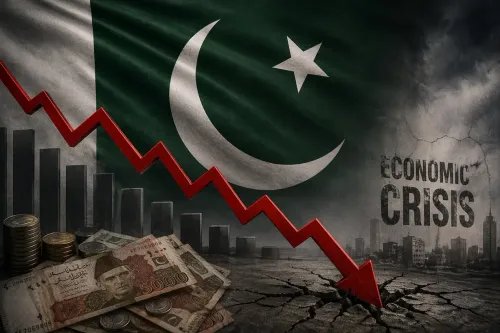
Pakistan forex crisis deepens as FDI falls 33%, external debt hits $138 billion
Synopsis
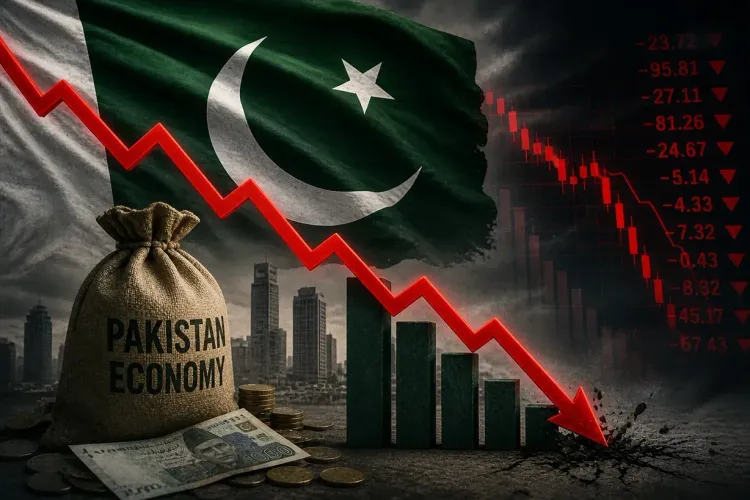
Pakistan's economic distress is no longer a balance-of-payments blip — it is structural. FDI has fallen for three consecutive years, now below 0.45% of GDP; multinationals from P&G to Telenor are walking out; and with $138 billion in external debt and growth averaging just 1.7%, Islamabad is running out of room to manoeuvre.
Key Takeaways
Pakistan's FDI plunged 33 per cent in FY26 to $1.195 billion , continuing a three-year declining trend.
External debt and liabilities stand at $138 billion , with public debt reaching Rs 80.52 trillion by end of FY25 .
Procter & Gamble , Shell , Telenor , Uber , and Yamaha are among multinationals that have exited or scaled down operations.
Unemployment rose from 6.3 per cent to 6.9 per cent between 2020–21 and 2024–25 , hitting women and youth hardest.
Pakistan spends roughly 4 per cent of GDP on fuel and fertiliser imports, leaving it highly exposed to West Asian supply shocks.
Average economic growth over the past three years has been approximately 1.7 per cent , against a debt-to-GDP ratio of 70 per cent .
Pakistan is confronting a deepening foreign exchange crisis, driven by mounting pressure to repay approximately $4.8 billion in external debt, a collapse in investor confidence, and a sharp decline in foreign direct investment, according to a report by the Times of Oman.
FDI in Freefall
Foreign direct investment into Pakistan plunged 33 per cent in FY26 to just $1.195 billion, extending a sustained downward trend — down from $1.92 billion in 2023–24 and $1.83 billion in 2024–25. As a share of GDP, FDI has remained below 0.45 per cent, a figure that underscores the structural weakness of Pakistan's investment environment.
The report attributed the decline in part to Islamabad's failure to build durable investor confidence despite successive policy interventions. 'The dwindling confidence in the economy is also actively expressed through the exit and downsizing of several multinational firms in recent years,' the report noted.
Multinationals Exiting Pakistan
The scale of corporate retreat is striking. Procter & Gamble has shut down its manufacturing operations in the country. Other firms — including Shell, Telenor, Uber, Yamaha, Eni, several foreign banks, and pharmaceutical companies — have either scaled back or wound up operations entirely. This wave of exits signals a broader loss of confidence that goes beyond short-term economic volatility.
Debt Burden and Fiscal Strain
Pakistan's public debt surged to Rs 80.52 trillion by the end of FY25, while total external debt and liabilities stood at $138 billion, according to the report. Economic growth over the last three years has averaged approximately 1.7 per cent, while the government's debt-to-GDP ratio has reached 70 per cent — with gross financing needs described as among the highest in the world.
Unemployment, according to labour force survey data cited in the report, rose from 6.3 per cent to 6.9 per cent between 2020–21 and 2024–25, with women and youth bearing a disproportionate share of job losses.
West Asia Dependency and the Energy Crunch
The report flagged that Pakistan's economy remains highly exposed to shocks from West Asia, spending roughly 4 per cent of GDP annually on fuel and fertiliser imports from the Gulf. Heavy reliance on Gulf remittances compounds this vulnerability. Islamabad has reportedly responded with austerity measures including school closures and a reduced working week to manage the ongoing oil crisis.
What Comes Next
With gross financing needs at historic highs and multinational exits accelerating, Pakistan's path to economic stabilisation remains uncertain. Analysts warn that without a credible structural reform agenda and renewed investor engagement, the current crisis risks becoming entrenched rather than cyclical.
Point of View
A debt-to-GDP ratio of 70 per cent, and a procession of multinational exits point to an investment environment that policy announcements alone cannot repair. What is often missed in coverage is the compounding effect: each corporate exit shrinks the tax base, raises unemployment, and further erodes the confidence needed to attract the next investor. The austerity measures — school closures, shortened work weeks — address symptoms, not causes. Until Islamabad demonstrates credible institutional reform rather than crisis management, the forex pressure will return with each debt repayment cycle.
NationPress
26 Sept 2026
Frequently Asked Questions
Why is Pakistan facing a foreign exchange crisis?
Pakistan is facing a forex crisis due to a combination of factors: pressure to repay approximately $4.8 billion in external debt, a sharp fall in FDI to $1.195 billion in FY26, and weak investor confidence. Total external debt and liabilities stand at $138 billion, while economic growth has averaged just 1.7 per cent over three years.
How much has Pakistan's FDI fallen?
Pakistan's foreign direct investment fell 33 per cent in FY26 to $1.195 billion, continuing a sustained decline from $1.92 billion in 2023–24 and $1.83 billion in 2024–25. As a share of GDP, FDI has remained below 0.45 per cent.
Which multinational companies have exited Pakistan?
Procter & Gamble has shut down its manufacturing operations in Pakistan. Shell, Telenor, Uber, Yamaha, Eni, several foreign banks, and pharmaceutical firms have also scaled down or ceased operations, according to the report.
What is Pakistan's current unemployment rate?
According to labour force survey data cited in the report, Pakistan's unemployment rate rose from 6.3 per cent to 6.9 per cent between 2020–21 and 2024–25, with women and youth experiencing the greatest impact.
How exposed is Pakistan to West Asian economic shocks?
Pakistan spends roughly 4 per cent of its GDP annually on fuel and fertiliser imports from the Gulf, and relies heavily on Gulf remittances. This makes the economy significantly vulnerable to supply disruptions or economic slowdowns in West Asia.