Pakistan FDI drops 28% in FY26 as geopolitical risks deter investors
Synopsis
Pakistan's FDI has collapsed 28% in just 11 months — and that may be the least alarming number. Bond outflows exceeded $2 billion, equity outflows crossed $1 billion, a $26 billion external payment wall looms in FY27, and the central bank's profit transfer to the government is set to shrink by nearly PKR 1 trillion. The geopolitical overhang from West Asia is doing real fiscal damage.
Key Takeaways
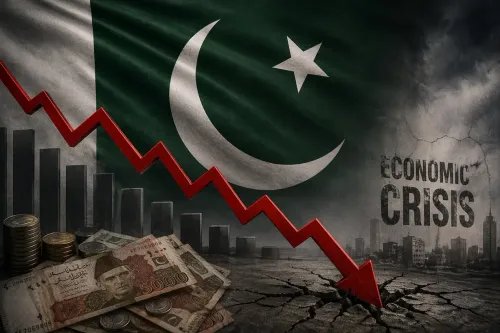
Pakistan's FDI fell 28 per cent in the first 11 months of FY26 , according to a report in Dawn .
Domestic bond markets saw net outflows of $550 million ; total bond outflows exceeded $2 billion .
Pakistan Stock Exchange equity outflows crossed $1 billion against inflows of just $308 million between 1 July 2025 and 19 June 2026 .
Pakistan faces external payments of more than $26 billion in FY27 , with a trade deficit of roughly $35 billion in FY26's first 11 months.
SBP profit transfer to the federal government is projected to drop nearly 41 per cent to PKR 1.44 trillion in FY27 from PKR 2.43 trillion in FY26.
Pakistan's foreign direct investment (FDI) declined 28 per cent during the first 11 months of FY26, as persistent regional instability and geopolitical tensions continued to erode investor confidence, according to a report published in Dawn. The slide underscores deepening structural vulnerabilities in Pakistan's external sector even as its foreign exchange reserves and remittance inflows showed some improvement.
FDI Decline and Market Outflows
The report noted that regional uncertainty has taken a measurable toll on Pakistan's domestic bond and equity markets. Domestic bond markets recorded a net outflow of $550 million during the period, with total outflows from domestic bonds exceeding $2 billion.
The Pakistan Stock Exchange also failed to attract sustained foreign participation through the outgoing fiscal year. Between 1 July 2025 and 19 June 2026, foreign inflows into the equity market stood at just $308 million, while outflows crossed $1 billion — a stark imbalance that reflects the depth of investor caution.
West Asia Conflict Adding to Uncertainty
According to the report, uncertainty surrounding developments in West Asia — particularly the conflict involving Iran — has made foreign investors increasingly wary of economies with significant external financing requirements. Pakistan, the report noted, remains especially exposed given its persistent current account pressures and reliance on external capital flows.
This is not an isolated episode. Pakistan has faced recurring bouts of capital flight linked to regional geopolitical flare-ups, and the latest cycle appears to be compounding pre-existing structural weaknesses rather than triggering a fresh crisis.
External Payment Pressures in FY27
The country's near-term financing outlook remains demanding. Pakistan is projected to make external payments of more than $26 billion in FY27, while its trade deficit during the first 11 months of FY26 stood at approximately $35 billion. These figures suggest that the external sector challenge is far from resolved, regardless of any short-term reserve build-up.
Central Bank Profit Transfer Set to Fall Sharply
Separately, an analysis by Pakistan Observer flagged a significant drop in one of the government's largest non-tax revenue sources. The State Bank of Pakistan's (SBP) profit transfer to the federal government is estimated to fall by nearly 41 per cent in FY27, declining to PKR 1.44 trillion from PKR 2.43 trillion in FY26 — a shortfall of almost PKR 1 trillion.
The decline is attributed to easing inflation and lower interest rates, which reduce the central bank's earnings. This adds a fresh fiscal dimension to Pakistan's already strained economic position, narrowing the government's room to manage its budget deficit without additional borrowing or external support.
What to Watch
With external payments exceeding $26 billion due in FY27 and the SBP profit windfall shrinking, Pakistan's fiscal and external balances face simultaneous pressure. Analysts will closely track whether the government can secure fresh multilateral support or attract FDI through policy reforms — both of which remain uncertain amid the current geopolitical climate.
Point of View
Not the disease. Pakistan's external financing model — reliant on portfolio flows, remittances, and IMF tranches — was always fragile under geopolitical stress. What the numbers reveal is a compounding trap: falling FDI reduces reserve buffers, rising outflows weaken the currency, and a shrinking SBP profit transfer squeezes fiscal space precisely when the government needs it most. The West Asia conflict is providing cover for a structural vulnerability that predates it. Without credible long-term reform signalling, each geopolitical episode will extract a steeper price.
NationPress
29 Sept 2026
Frequently Asked Questions
Why did Pakistan's FDI fall in FY26?
Pakistan's FDI declined 28 per cent in the first 11 months of FY26 primarily due to persistent regional instability and geopolitical tensions, particularly uncertainty stemming from the conflict involving Iran in West Asia. Foreign investors stayed away despite improvements in Pakistan's foreign exchange reserves and remittance inflows.
How much did foreign investors pull out of Pakistan's bond and equity markets?
Total outflows from Pakistan's domestic bond markets exceeded $2 billion, with a net outflow of $550 million recorded during the period. On the equity side, outflows from the Pakistan Stock Exchange crossed $1 billion between 1 July 2025 and 19 June 2026, against inflows of just $308 million.
What are Pakistan's external payment obligations in FY27?
Pakistan is projected to make external payments of more than $26 billion in FY27. Its trade deficit during the first 11 months of FY26 already stood at approximately $35 billion, underlining the scale of the country's external sector challenge.
Why is the State Bank of Pakistan's profit transfer to the government falling?
The SBP's profit transfer to the federal government is estimated to drop nearly 41 per cent to PKR 1.44 trillion in FY27, down from PKR 2.43 trillion in FY26. Easing inflation and lower interest rates are reducing the central bank's earnings, shrinking a key source of non-tax revenue for the government.
How does the West Asia conflict affect Pakistan's investment climate?
Uncertainty surrounding the conflict involving Iran has made foreign investors more cautious toward economies with significant external financing needs, according to the Dawn report. Pakistan is particularly vulnerable given its reliance on external capital flows to fund its current account and fiscal deficits.