Pakistan rights groups protest surge in sexual harassment cases
Synopsis
Pakistan's Human Rights Council took to the streets outside the Karachi Press Club to protest a documented surge in sexual harassment and gender-based violence — citing an acid attack on a doctor, the killing of a teenage influencer, and a Supreme Court ruling that reduced a rape sentence to fornication. The protest signals deepening civil society frustration with institutional impunity.
Key Takeaways
The Human Rights Council of Pakistan staged a protest at the Karachi Press Club on 6 July over rising sexual harassment cases.
Protesters demanded stronger law enforcement, swift justice for survivors, and systemic measures to protect women's safety and dignity.
Physician Mahnoor Narsir was attacked with acid at Quetta's civil hospital on 5 June in a case flagged as emblematic of workplace gender violence.
Social media influencer Sana Yousaf , 17 , was shot dead in Islamabad in June 2025 , hours after her birthday.
Pakistan's Supreme Court in January 2026 reportedly reduced a rape conviction to fornication, cutting the sentence from 20 years to five years .
Rights groups argue that low conviction rates, Jirga systems, and media complicity sustain a culture of impunity against women.
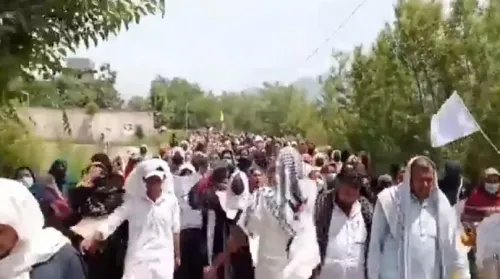
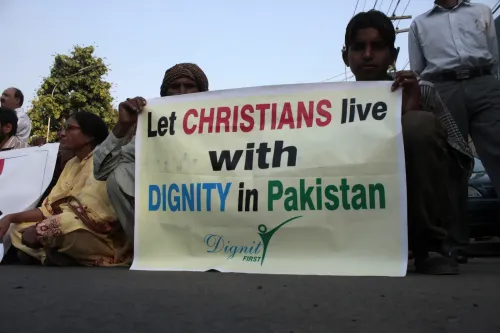
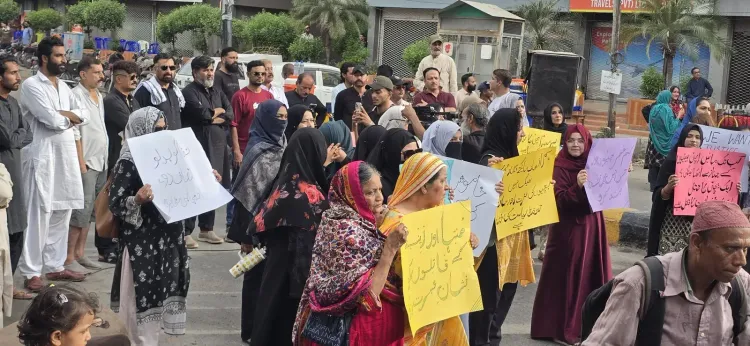
The Human Rights Council (HRC) of Pakistan staged a protest outside the Karachi Press Club on Sunday, 6 July, condemning what it described as an alarming rise in sexual harassment cases against women across the country. The demonstration brought together human rights defenders, women's rights activists, social workers, civil society representatives, and concerned citizens from multiple parts of Pakistan.
Key Demands from Protesters
Demonstrators at the Karachi rally called for stronger enforcement of existing laws, swift justice for survivors, and concrete measures to guarantee the safety, dignity, and equal rights of women nationwide. Speakers at the gathering strongly condemned all forms of harassment and urged collective action to eliminate gender-based violence.
The HRC stated that speakers 'emphasised that sexual harassment is a grave violation of human rights and urged the Government of Pakistan, law enforcement agencies, educational institutions, workplaces, and all segments of society to take practical and effective measures to prevent harassment, protect victims, and ensure accountability for offenders.' The rights body, alongside a women's organisation, reaffirmed its commitment to safeguarding women's rights and raising public awareness.
A Pattern of Documented Violence
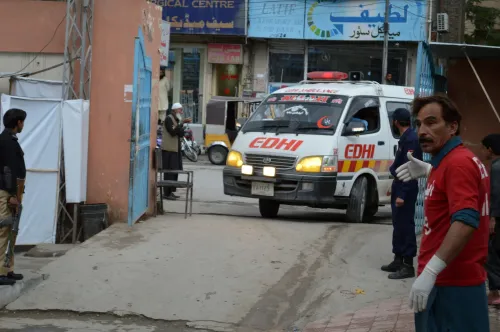
The protest comes against a backdrop of documented cases that rights groups argue illustrate systemic failures. On 5 June, young physician Mahnoor Narsir was attacked with acid by a staff member at Quetta's civil hospital — an incident described in a recent report as 'a grave act of gender-based violence and workplace insecurity, emblematic of the perilous conditions women face in Pakistan.'
In a separate case, social media influencer Sana Yousaf was shot dead in her Islamabad home in June 2025, hours after celebrating her 17th birthday. The killing of Noor Mukadam in 2021 — beheaded by her boyfriend after she rejected his marriage proposal — had earlier sparked nationwide outrage and reignited calls for stronger protections for women.
Systemic Failures and Judicial Concerns
A recent report flagged that violence against women in Pakistan is, according to its findings, 'embedded in institutions, upheld by Jirgas, tolerated by the state, and reinforced with media narratives.' The report argued that 'low conviction rates, state reluctance to confront Jirgas, and media complicity sustain impunity, leaving women vulnerable and unprotected.'
Notably, in January 2026, Pakistan's Supreme Court reportedly reduced a rape conviction to fornication, cutting a 20-year sentence to five years and reducing the associated fine — a ruling critics argue reflects systemic reluctance to confront gender-based violence at the highest judicial level.
What Rights Groups Are Calling For
The HRC and allied organisations have called on the Pakistani state to move beyond punitive rhetoric and address structural enablers of gender-based violence. Advocates argue that international human rights obligations lose significance when, as the report put it, 'justice is replaced by silence.' The groups say they will continue to press for legislative reform, institutional accountability, and a cultural shift that challenges the normalisation of abuse.
With multiple high-profile cases drawing fresh scrutiny to Pakistan's record on women's safety, pressure on the government to demonstrate measurable progress is expected to intensify in the months ahead.
Point of View
It does not merely affect one case; it signals to every lower court, every police station, and every Jirga what the state's true tolerance threshold is. Rights groups can march, but without a credible shift in conviction rates and a direct confrontation of parallel justice systems like Jirgas, the cycle of documented violence and documented impunity will continue. The international community's silence on Pakistan's gender-justice record remains its own form of complicity.
NationPress
5 Oct 2026
Frequently Asked Questions
Why did the Human Rights Council of Pakistan stage a protest?
The Human Rights Council of Pakistan protested outside the Karachi Press Club on 6 July to condemn a documented rise in sexual harassment and gender-based violence against women. The rally demanded stronger law enforcement, faster justice for survivors, and systemic accountability for offenders.
What recent cases of gender-based violence prompted the protest?
Among the cited cases were the acid attack on physician Mahnoor Narsir at Quetta's civil hospital on 5 June, the killing of teenage influencer Sana Yousaf in Islamabad in June 2025, and the 2021 murder of Noor Mukadam. These cases are seen by rights groups as emblematic of endemic gender-based violence in Pakistan.
What was the Pakistan Supreme Court ruling that drew criticism?
In January 2026, Pakistan's Supreme Court reportedly reduced a rape conviction to fornication, cutting the sentence from 20 years to five years and reducing the fine. Critics argue the ruling reflects systemic judicial reluctance to treat gender-based violence with appropriate severity.
What are rights groups demanding from the Pakistani government?
Rights groups are calling on the Government of Pakistan, law enforcement agencies, educational institutions, and workplaces to take practical steps to prevent harassment, protect victims, and ensure offenders are held accountable. They are also pushing for cultural change and an end to institutional impunity enabled by systems such as Jirgas.
How widespread is gender-based violence in Pakistan according to reports?
According to a recent report, violence against women in Pakistan is embedded in institutions, upheld by Jirgas, tolerated by the state, and reinforced by media narratives. The report cited low conviction rates and state reluctance to confront parallel justice systems as key factors sustaining impunity.