Pakistan-linked organ trafficking networks targeting Bangladeshis: Report
Synopsis
Intelligence sources cited in Bangladesh's Blitz newspaper allege that ISI-linked trafficking networks are luring Bangladeshi workers to Lahore with job offers, then illegally harvesting their kidneys in private clinics — with a front company named Zakir Traders reportedly identified by Lahore Police. A second, even more alarming set of unverified claims alleges deliberate HIV exposure of Bangladeshi travellers.
Key Takeaways
Intelligence sources cited in Blitz allege Pakistan-linked networks , reportedly connected to the ISI , are trafficking vulnerable Bangladeshis for illegal organ harvesting in Lahore .
Victims are allegedly lured with monthly wages of up to US$750 , then subjected to illegal kidney removal under the guise of routine medical check-ups.
At least four trafficking networks are allegedly involved; Lahore Police reportedly identified one operating as Zakir Traders (Private) Limited , allegedly owned by Zakir Hussain .
Separate, unverified allegations claim some Bangladeshi travellers are being deliberately exposed to the HIV virus — claims that Blitz editor Salah Uddin Shoaib Choudhury himself says require independent verification.
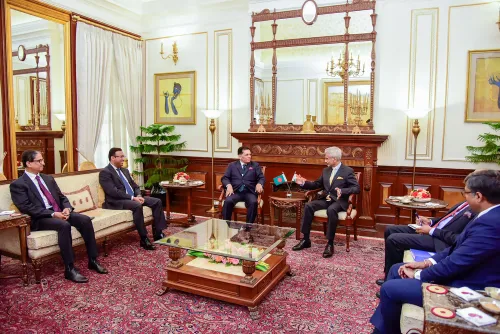
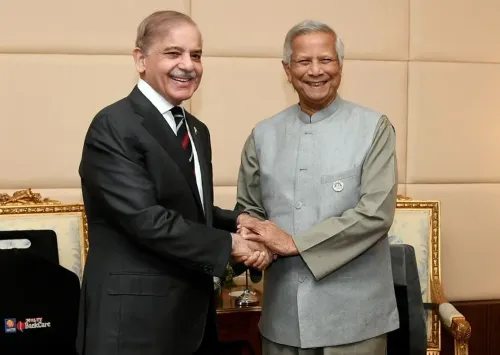
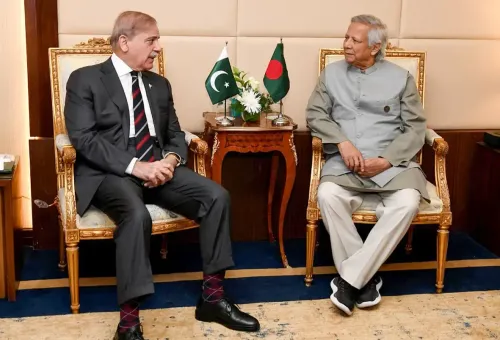
The allegations surface amid intensifying diplomatic engagement between Islamabad and Dhaka , raising regional security concerns.
Intelligence sources and security analysts have raised serious concerns about Pakistan-linked criminal networks allegedly operating inside Bangladesh and beyond, as diplomatic ties between Islamabad and Dhaka continue to deepen. Among the most alarming allegations are reports of organised human organ trafficking targeting vulnerable Bangladeshi nationals, with potential security implications for the wider region.
The Organ Trafficking Allegations
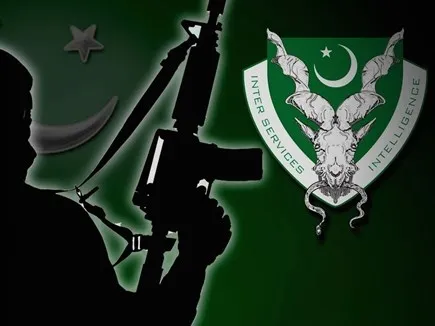
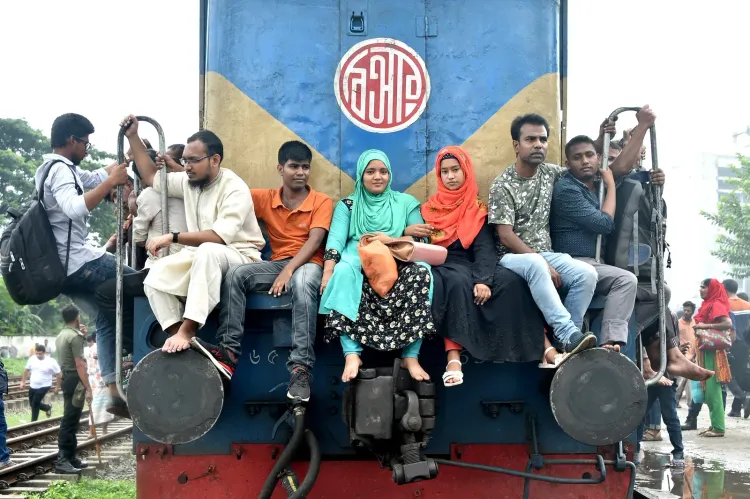
According to Salah Uddin Shoaib Choudhury, editor of the Bangladeshi newspaper Blitz, citing highly placed intelligence sources, trafficking networks allegedly linked to Pakistan's Inter-Services Intelligence (ISI) have been luring Bangladeshi nationals with promises of employment, offering monthly wages of up to US$750.
Choudhury wrote in Blitz that once victims reportedly arrive in Lahore, they are transported to private clinics under the guise of routine medical check-ups. According to the allegations, victims are rendered unconscious and one of their kidneys is illegally removed. Upon discovering the deception, they are allegedly confined in locations described as 'safe houses' before being repatriated to Bangladesh. Prior to release, victims are reportedly pressured into signing documents falsely claiming they voluntarily donated their kidneys to relatives.
Networks and Front Companies Identified
Choudhury further alleged that at least four trafficking networks are involved in recruiting Bangladeshi nationals. Based on information provided by Bangladesh's diplomatic mission, Lahore Police reportedly identified one such network operating under the cover of a trading company named Zakir Traders (Private) Limited, allegedly owned by a Pakistani national named Zakir Hussain. The company reportedly presents itself as a provider of medical services for Bangladeshi patients.
Allegations have also surfaced, according to Choudhury, that certain hospitals and private clinics in Lahore are involved in illegal organ transplant procedures. Trafficking networks allegedly secure fraudulent documentation and approvals to facilitate these operations, with victims admitted under the cover of legitimate treatment while key legal and ethical safeguards are reportedly bypassed.
A 'More Sinister' Alleged Operation
Choudhury also cited intelligence inputs pointing to what sources described as an even more 'sinister operation' allegedly involving Pakistani criminal networks with the alleged cooperation of the ISI. According to these unverified claims, some Bangladeshi citizens travelling to Pakistan for tourism, employment, or other purposes are reportedly exposed to the HIV virus through deceptive means, including during medical examinations and pathological tests.
The alleged targets are primarily young men, who are then allowed to return to Bangladesh, purportedly with the intent of facilitating the gradual spread of HIV across different segments of Bangladeshi society, including rural communities. Choudhury himself cautioned that 'these claims require thorough investigation and independent verification.'
Broader Context and What Comes Next
These allegations emerge against the backdrop of intensifying diplomatic engagement between Islamabad and Dhaka, a development that has drawn scrutiny from regional security analysts. This is not the first time concerns have been raised about cross-border criminal networks exploiting labour migration corridors between South Asia and Bangladesh. Human organ trafficking remains a serious and underreported crime across the region, often preying on economically marginalised individuals desperate for employment.
The allegations, sourced primarily from intelligence inputs cited in Blitz, have not been independently confirmed by official Bangladeshi or Pakistani government statements. Independent investigation and verification by competent authorities will be essential to establish the veracity and scale of the reported networks.
Point of View
But they rest almost entirely on a single source — the editor of Blitz, citing unnamed intelligence inputs — and have not been corroborated by official Bangladeshi or Pakistani authorities. That does not make them false, but it demands caution: the ISI-organ trafficking nexus is an extraordinary claim requiring extraordinary evidence. What makes this newsworthy regardless of final verification is the structural vulnerability it exposes: labour migration corridors from Bangladesh to Pakistan are poorly monitored, and economically desperate workers make easy targets for any criminal network, state-linked or otherwise. The timing — amid warming Dhaka-Islamabad ties — adds a geopolitical dimension that Bangladeshi civil society and the interim government cannot afford to ignore.
NationPress
24 Sept 2026
Frequently Asked Questions
What are the allegations against Pakistan-linked networks targeting Bangladeshis?
Intelligence sources cited in Bangladesh's Blitz newspaper allege that networks reportedly linked to Pakistan's ISI are luring Bangladeshi nationals with employment offers of up to US$750 per month, transporting them to Lahore, and illegally removing their kidneys in private clinics under the cover of routine medical check-ups. Victims are allegedly confined before being repatriated and pressured to sign documents claiming voluntary organ donation.
Which company was identified in connection with the alleged trafficking network?
Lahore Police reportedly identified a front company named Zakir Traders (Private) Limited, allegedly owned by a Pakistani national named Zakir Hussain, as operating one of at least four recruitment networks targeting Bangladeshi nationals. The company reportedly presents itself as a provider of medical services for Bangladeshi patients.
What is the alleged HIV exposure claim and how credible is it?
Sources cited in Blitz allege that some Bangladeshi citizens travelling to Pakistan are deliberately exposed to the HIV virus during medical examinations, with the purported aim of spreading the infection within Bangladeshi communities upon their return. Blitz editor Salah Uddin Shoaib Choudhury himself noted that these claims 'require thorough investigation and independent verification' and they have not been confirmed by any official authority.
Why are these allegations significant now?
The allegations have emerged at a time of intensifying diplomatic engagement between Islamabad and Dhaka, raising concerns among regional security analysts about the risks accompanying closer bilateral ties. Human organ trafficking targeting labour migrants is a broader regional problem, but the alleged ISI connection and the scale described — at least four networks — give these claims particular urgency.
Have Pakistani or Bangladeshi authorities officially confirmed these allegations?
No official confirmation has been issued by either the Pakistani or Bangladeshi government. The allegations are sourced from intelligence inputs cited by the editor of Blitz and have not been independently verified. Bangladesh's diplomatic mission in Pakistan reportedly shared information with Lahore Police, but no formal charges or official statements have been publicly released.