Pakistan political class moves to rebuild Lashkar-e-Taiba after Operation Sindoor losses
Synopsis
Post-Operation Sindoor, Pakistan's political class has quietly stepped in to stabilise Lashkar-e-Taiba — not just to rebuild it, but to repurpose it. Meetings between Talha Saeed and PM Sharif's adviser Rana Sanaullah point to a dual agenda: formalising a leadership handover from the ageing Hafiz Saeed, and deploying LeT as a back-channel to negotiate with the BLA in Balochistan, where CPEC and a $1.3 billion US mining investment hang in the balance.
Key Takeaways
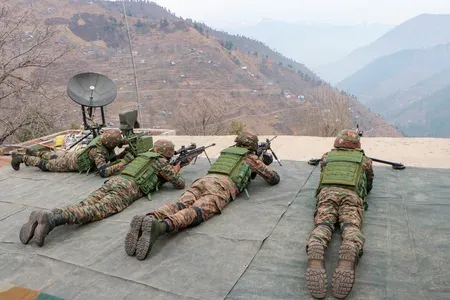
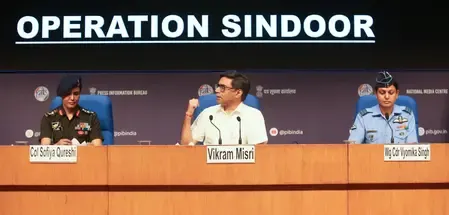
Lashkar-e-Taiba has been in regroup mode since Operation Sindoor destroyed its primary training facility in Muridke .
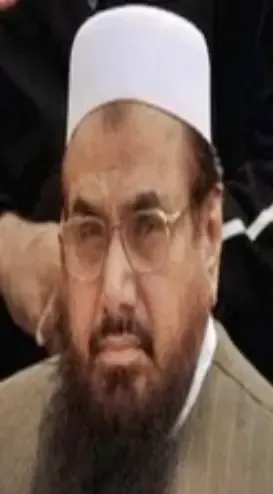
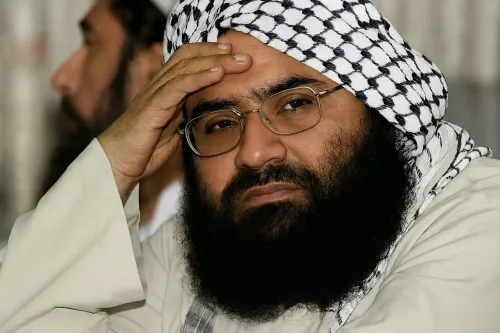
Talha Saeed , 50 , son of Hafiz Saeed , met Rana Sanaullah — adviser to PM Shehbaz Sharif — in Faisalabad ; Sanaullah subsequently briefed Sharif in Islamabad .
The Pakistan establishment reportedly wants Talha Saeed officially declared LeT chief, with Hafiz Saeed , 75 , retained as ideological figurehead.
Islamabad is reportedly pushing LeT leadership to serve as intermediaries in negotiations with the Balochistan Liberation Army (BLA) .
The moves are linked to protecting the CPEC Phase 2 corridor and a $1.3 billion US commitment to the Reko Diq mining project in Balochistan .
Lashkar-e-Taiba (LeT) has been in active regroup mode following Operation Sindoor, in which the Indian armed forces inflicted significant losses on the outfit — most visibly, the destruction of its primary training facility in Muridke. According to Indian intelligence officials, Pakistan's political class has now stepped in directly to stabilise the terror group and redirect its capabilities toward domestic strategic goals.
High-Level Meetings Raise Red Flags
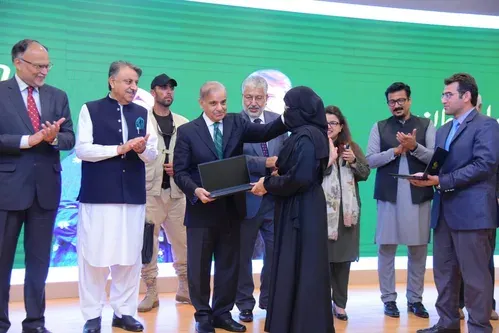
Two meetings in recent weeks have drawn the attention of Indian agencies. The first took place in Faisalabad, where Talha Saeed — son of LeT founder Hafiz Saeed — met Rana Sanaullah, a key political adviser to Pakistani Prime Minister Shehbaz Sharif. A subsequent meeting between Sanaullah and Sharif in Islamabad followed shortly after.
According to officials familiar with the matter, these were not courtesy calls. Sanaullah reportedly briefed Sharif on the substance of his discussions with Talha Saeed, signalling that the engagements carry institutional weight. 'Something big is brewing within the Lashkar-e-Taiba, and this is why the political class has stepped in,' one official said.
Leadership Transition at LeT's Core
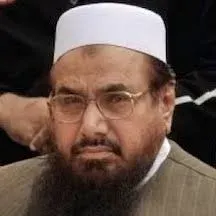
A central agenda of these meetings, according to officials, is formalising a leadership change within LeT. Hafiz Saeed, now 75, is described as both ageing and disgruntled — a combination that has triggered a significant internal leadership crisis. The Pakistan establishment reportedly favours positioning him as an ideological figurehead while officially installing his son, Talha Saeed, 50, as chief of operations.
Talha is already the de facto head of the outfit. Officials say he has built stronger rapport with the cadre, demonstrates a better grasp of emerging technologies relevant to the organisation's operations, and is seen as better positioned to lead the group through its current phase of restructuring. The establishment is now pushing to make this arrangement formal.
Balochistan: The Strategic Pressure Point
Beyond internal restructuring, the meetings reportedly focused on a pressing security challenge for Islamabad: the deteriorating situation in Balochistan and Khyber Pakhtunkhwa (KP). Pakistan's security apparatus has, according to officials, failed to contain the Balochistan Liberation Army (BLA), which has been inflicting sustained losses on Pakistani security forces.
The Pakistan establishment is now reportedly exploring the use of LeT leadership as an intermediary to negotiate with the BLA. The rationale, officials explain, is that the BLA would refuse direct talks with the Pakistani establishment — but might engage with non-state actors perceived as outside the formal security structure. The political class reportedly wants Talha Saeed to lead such a delegation.
CPEC and Foreign Investment at Stake
The urgency behind these moves is tied directly to major economic interests. Pakistan is under mounting pressure from both China and the United States to guarantee the safety of their investments in the region. The China-Pakistan Economic Corridor (CPEC) project is approaching its second phase, making stability in Balochistan critical.
Separately, the United States has committed $1.3 billion to Pakistan's Reko Diq copper and gold mining project in Balochistan — a project that has faced sustained opposition from local communities, who argue their resources are being exploited without commensurate benefit. With both Beijing and Washington applying pressure on Islamabad over investment security, the establishment's need to stabilise Balochistan has taken on added urgency.
What Comes Next
Officials indicate that more meetings between LeT leadership and Pakistan's political class are likely in the coming weeks. The convergence of post-Operation Sindoor restructuring, a looming leadership transition within LeT, and the strategic imperatives around CPEC and Reko Diq suggest that Islamabad is attempting to repurpose the outfit for domestic conflict management — a significant and closely watched development.
Point of View
In effect, dependent on the goodwill of a group that has no democratic mandate and every incentive to extract maximum concessions. If this back-channel is real, it also hands India a powerful diplomatic narrative at a time when New Delhi is already pressing the case against Pakistan-based terror infrastructure internationally.
NationPress
25 Sept 2026
Frequently Asked Questions
What is Pakistan's political class reportedly doing with Lashkar-e-Taiba?
According to Indian intelligence officials, Pakistan's political class has stepped in to help rebuild and restructure Lashkar-e-Taiba following the losses it suffered during Operation Sindoor. Key meetings have taken place between LeT's Talha Saeed and Rana Sanaullah, a senior adviser to PM Shehbaz Sharif, with a focus on formalising a leadership transition and deploying LeT as a negotiating intermediary in Balochistan.
Who is Talha Saeed and why is he significant?
Talha Saeed, 50, is the son of Lashkar-e-Taiba founder Hafiz Saeed and is already considered the de facto operational head of the outfit. The Pakistan establishment reportedly wants to officially designate him as LeT chief, while retaining his 75-year-old father as an ideological figurehead, citing Talha's stronger cadre relationships and grasp of modern operational technologies.
Why does Pakistan want Lashkar-e-Taiba involved in Balochistan?
Pakistan's security forces have failed to contain the Balochistan Liberation Army (BLA), which has inflicted sustained losses on Pakistani troops. Officials say the BLA refuses direct engagement with the Pakistani establishment, so Islamabad is reportedly exploring the use of LeT leadership as a non-state intermediary to broker a settlement — partly to protect CPEC Phase 2 infrastructure and a $1.3 billion US investment in the Reko Diq mining project.
What is the Reko Diq project and why does it matter here?
Reko Diq is a major copper and gold mining project in Balochistan in which the United States has committed $1.3 billion. Local Baloch communities have opposed the project, arguing their resources are being exploited without adequate benefit. Both the US and China are pressing Islamabad to guarantee the safety of their investments, making Balochistan stability a top strategic priority for Pakistan.
What was the impact of Operation Sindoor on Lashkar-e-Taiba?
Operation Sindoor, carried out by the Indian armed forces, inflicted significant losses on Lashkar-e-Taiba. The most visible damage was the destruction of the outfit's primary training facility in Muridke. The operation triggered multiple rounds of restructuring talks between LeT leadership and Pakistan's ISI, though those meetings reportedly produced limited results due to trust deficits between the outfit and the Pakistani security establishment.