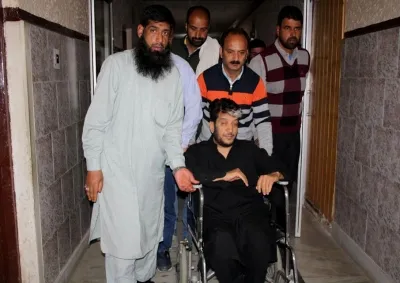
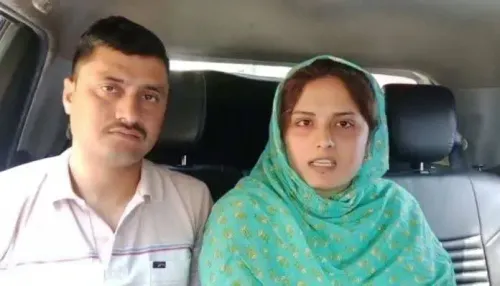
Rochdale grooming gang leader Shabir Ahmed: Pakistan refuses UK deportation demand

Synopsis
Pakistan is openly refusing to take back Rochdale grooming gang ringleader Shabir Ahmed — and has reportedly demanded political dissidents in exchange. With the UK threatening sanctions against a country it is simultaneously giving GBP 155 million in aid, the case has exposed a sharp contradiction at the heart of British foreign policy.
Key Takeaways
Pakistan has publicly refused to accept the deportation of Shabir Ahmed , ringleader of the Rochdale grooming gang .
Ahmed was sentenced to 22 years in 2012 for 30 child rape offences and was released in July 2025 after serving 14 years .
Islamabad has reportedly demanded the extradition of two political dissidents from the UK in exchange for accepting Ahmed.
A loophole in the Immigration Act 1971 currently prevents Ahmed's deportation despite him being stripped of UK citizenship in 2016 .
UK Foreign Secretary Yvette Cooper warned of 'all possible levers', including sanctions, against Pakistan .
Pakistan is due to receive GBP 155 million in UK foreign aid over the next three years, according to reports.
Pakistan is refusing to accept the deportation of Shabir Ahmed, the convicted ringleader of the Rochdale grooming gang, even as the United Kingdom has signalled it may impose sanctions on Islamabad over the standoff. Ahmed, who is Pakistan-born, was sentenced to 22 years in prison in 2012 for 30 child rape offences and was released earlier in July 2025 after serving 14 years.
The Deportation Deadlock
Tahir Andrabi, Pakistan's foreign office spokesman, publicly declared on Thursday that Islamabad would not take Ahmed back. Reportedly, Pakistan has gone further — demanding the extradition of two political dissidents currently residing in the UK as a condition for accepting Ahmed's return, according to reports.
The situation is further complicated by a legal loophole. Despite being stripped of his UK citizenship in 2016 specifically to facilitate deportation, Ahmed cannot currently be removed under a provision in the Immigration Act 1971 — a 55-year-old clause that protects individuals who arrived in the UK before 1973 and resided there for at least five years. His victims had been promised he would be deported upon release.
UK's Sanctions Warning
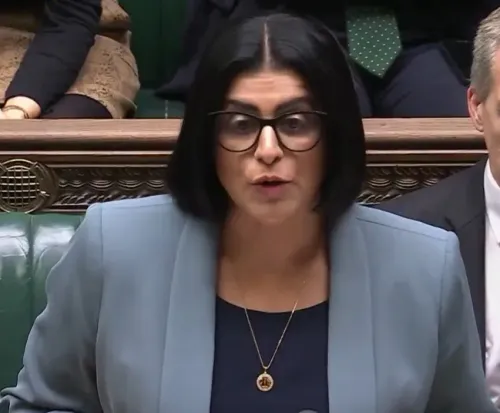
Yvette Cooper, the UK's Secretary of State for Foreign and Commonwealth Affairs, signalled this week that the government is prepared to use 'all possible levers' — including sanctions — against Pakistan if it continues to refuse. Speaking before the Commons Foreign Affairs Committee, Cooper noted that the UK had previously persuaded several countries to accept deported foreign nationals after threatening punitive measures.
Notably, according to figures cited in the Daily Mail, Pakistan is set to receive GBP 155 million in foreign aid from the UK over the next three years — a figure that could become a focal point in diplomatic negotiations, according to reports citing the Telegraph.
Scale of the Grooming Gang Scandal
The Rochdale case sits within a far broader national scandal. A privately funded parliamentary inquiry into organised child sexual exploitation in the UK released a 219-page report estimating that at least 250,000 girls — and likely more — were subjected to gang rape, trafficking, torture, and coerced pregnancy over several decades. The report found that perpetrators were overwhelmingly of Pakistani Muslim heritage, and that enabling failures were overwhelmingly those of British state institutions.
What Happens Next
The diplomatic impasse places the UK government under pressure to act decisively, particularly given its public commitments to Ahmed's victims. Whether London will follow through on sanctions against a major aid recipient — and a nuclear-armed neighbour of India — remains to be seen. Legal challenges to the 1971 Act loophole are also expected to intensify as the case draws renewed parliamentary scrutiny.
Point of View
Yet the legal mechanism to enforce it was never secured. The broader parliamentary inquiry finding — 250,000 victims, decades of institutional failure — makes this a case study in how bureaucratic self-protection enabled mass abuse. The UK government now faces a test of whether its commitments to victims are enforceable or merely rhetorical.
NationPress
17 Jul 2026
Frequently Asked Questions
Who is Shabir Ahmed and what was he convicted of?
Shabir Ahmed is the Pakistan-born ringleader of the Rochdale grooming gang, convicted in 2012 and sentenced to 22 years in prison for 30 child rape offences. He was released in July 2025 after serving 14 years.
Why can't the UK deport Shabir Ahmed to Pakistan?
Despite being stripped of his UK citizenship in 2016, Ahmed is protected by a clause in the Immigration Act 1971 that shields individuals who arrived in the UK before 1973 and lived there for at least five years. This 55-year-old loophole has prevented his deportation.
What is Pakistan's position on accepting Ahmed?
Pakistan's foreign office spokesman Tahir Andrabi publicly declared that Islamabad will not accept Ahmed's return. Pakistan has reportedly demanded the extradition of two political dissidents from the UK as a precondition for taking him back.
What sanctions is the UK considering against Pakistan?
UK Foreign Secretary Yvette Cooper told the Commons Foreign Affairs Committee that the government would consider using 'all possible levers', including sanctions, if Pakistan refuses to accept Ahmed. The UK has previously used similar threats to persuade other countries to accept deported nationals.
How large is the UK's foreign aid commitment to Pakistan?
According to figures cited in reports, Pakistan is set to receive GBP 155 million in UK foreign aid over the next three years — a sum that adds diplomatic complexity to the UK's ability to apply pressure on Islamabad over the deportation standoff.