Pakistan's education system fuels extremism, risks EU trade ties: Report
Synopsis
A European analyst argues Pakistan's school system is structurally reproducing extremist ideology — and that the EU is turning a blind eye while extending GSP+ trade benefits formally tied to human rights compliance. The finding puts Brussels in an uncomfortable position: either act on its own conditionality or concede that it applies selectively.
Key Takeaways
Pakistan's school curricula reportedly reinforce extremist ideology, contradicting the government's official anti-extremism stance, according to an analysis in EU Today .
Analyst Dimitra Staikou argues textbooks frame religious minorities as peripheral and conflate patriotism with religious orthodoxy.
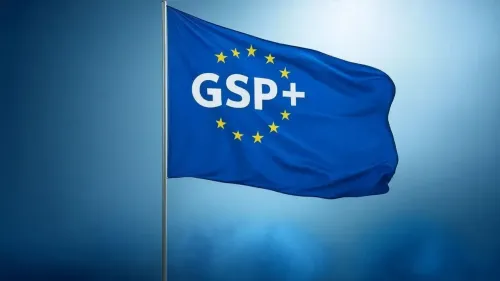
Pakistan is a beneficiary of the EU's GSP+ scheme, which is formally linked to compliance with human rights and governance conventions.
Staikou warns that radicalisation narratives travel via digital networks and diaspora communities, making this a European concern, not just a South Asian one.
Pakistan is already grappling with sectarian violence , minority attacks, blasphemy abuses, and entrenched extremist networks.
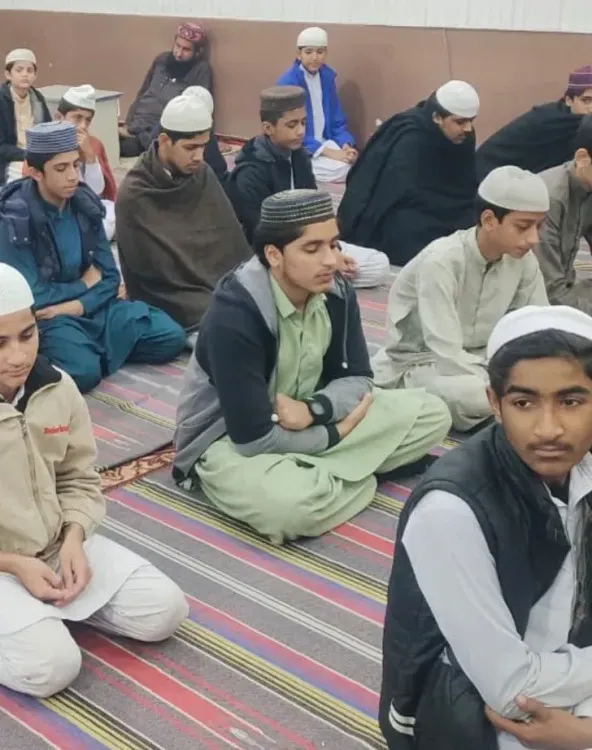
Pakistan's education system is actively reinforcing extremist ideology through school curricula and public narratives, even as the government claims to be combating radicalisation — a contradiction that has direct implications for the country's preferential trade access under the European Union's Generalised Scheme of Preferences Plus (GSP+), according to an analysis published in EU Today.
The Core Concern
Dimitra Staikou, a Greek lawyer, writer, and journalist, argues that Pakistan's education crisis is not merely a matter of underfunded schools or uneven access — it runs deeper. Critics contend that textbooks and classroom materials present religious minorities as peripheral to the national story, frame India as a permanent adversary, and conflate patriotism with religious orthodoxy.
According to Staikou, the cumulative effect is the reproduction of a worldview in which diversity is treated with suspicion and conformity is elevated as a civic virtue — outcomes that human rights advocates, minority representatives, and education reformers have flagged for years.
Why the EU's Position Matters
'That matters beyond Pakistan's borders. For the European Union, Pakistan is not a distant or marginal case. It is a beneficiary of preferential trade access under the EU's GSP+ scheme, which is formally linked to the implementation of international conventions on human rights, labour rights, environmental protection and good governance,' Staikou wrote.
She argues that the content of Pakistani classrooms therefore has a direct bearing on how Europe assesses the country's long-term trajectory, its treatment of minorities, and its willingness to confront extremism at its structural roots. Critics argue that Europe's stance on human rights appears inconsistent when it overlooks ideological formation in Pakistani schools while maintaining trade preferences.
Radicalisation Beyond Borders
Staikou warns that Europe should not treat Pakistan's extremist ideological narrative as a remote South Asian debate. 'Radicalisation today travels through digital networks, diaspora communities, encrypted platforms and informal ideological ecosystems. Narratives of grievance, exclusion and religious confrontation do not remain within national borders. They circulate, adapt and find audiences among vulnerable individuals far from the places where they first emerge,' she stated.
This concern is compounded by Pakistan's existing challenges: sectarian violence, attacks on religious minorities, blasphemy-related abuses, and the persistent influence of extremist networks within the country's borders.
Governance Failure at the Root
The analysis characterises Pakistan's situation as a deep governance failure — where official anti-extremism claims are structurally contradicted by the very materials sanctioned for use in schools. In a functioning civic education system, Staikou notes, schools should encourage critical thinking, social mobility, and coexistence. Critics argue that Pakistani classrooms too often deliver the opposite.
This is not the first time Pakistan's curriculum has drawn international scrutiny. Successive governments have announced reform initiatives, but independent assessments have repeatedly found that substantive changes to ideologically charged content remain limited. The question of whether the EU will formally re-examine Pakistan's GSP+ status in light of these findings is expected to gain traction in policy circles.
Point of View
And Pakistan is too strategically significant for a clean break. What Staikou's analysis surfaces is an institutional contradiction: the EU cannot credibly champion human rights norms while extending preferential access to a state whose publicly sanctioned school materials critics say undermine those very norms. If the EU does not formally review Pakistan's GSP+ eligibility in light of curriculum evidence, it signals that conditionality is negotiable — a message with implications well beyond South Asia.
NationPress
13 Oct 2026
Frequently Asked Questions
What does the report say about Pakistan's education system?
The report argues that Pakistan's school curricula reinforce extremist ideology by presenting religious minorities as marginal, framing India as a permanent enemy, and merging patriotism with religious orthodoxy. Analyst Dimitra Staikou, writing in EU Today, describes this as a deep governance failure that contradicts the government's official anti-extremism position.
What is the EU's GSP+ scheme and how is Pakistan connected?
The GSP+ (Generalised Scheme of Preferences Plus) is an EU trade programme that grants preferential market access to developing countries in exchange for implementing international conventions on human rights, labour rights, and governance. Pakistan is a beneficiary, which critics argue makes the content of its school curricula a legitimate EU policy concern.
Why does Pakistan's curriculum matter beyond its own borders?
According to Staikou, radicalisation narratives do not stay within national borders — they spread through digital networks, diaspora communities, and encrypted platforms. She argues that ideological content produced in Pakistani classrooms can reach and influence vulnerable individuals in Europe and elsewhere.
Who is Dimitra Staikou and where was this analysis published?
Dimitra Staikou is a Greek lawyer, writer, and journalist who published this analysis in EU Today, a publication focused on European affairs. Her piece examines the intersection of Pakistan's education policy and the EU's human rights conditionality framework.
Has Pakistan's curriculum faced international scrutiny before?
Yes. Pakistan's school textbooks have drawn repeated criticism from human rights groups, minority representatives, and education reformers over several years. Independent assessments have consistently found that substantive reforms to ideologically charged content remain limited, despite periodic government announcements of curriculum overhauls.