Detention of Five Pakistanis in Bahrain Raises Alarms Over Islamabad's Consular Protections

Synopsis
The detention of five Pakistani nationals in Bahrain for sharing videos related to the West Asia conflict raises urgent questions about Islamabad's ability to protect its citizens abroad. Legal experts urge immediate action to ensure the rights and welfare of detainees during wartime.
Key Takeaways
Five Pakistani nationals arrested in Bahrain for sharing conflict-related videos.
Concerns raised about legal rights and consular protections during wartime.
Legal advocates urging for immediate consular access and support.
Absence of a prisoner transfer agreement complicates the situation.
Over 23,000 Pakistanis face challenges in foreign legal systems.
Islamabad, March 15 (NationPress) The recent detention of five Pakistani citizens in Bahrain for capturing and disseminating videos related to the escalating conflict in West Asia has sparked significant concerns regarding their legal rights and the actions Islamabad can undertake to safeguard its nationals imprisoned abroad during wartime, a report indicated on Sunday.
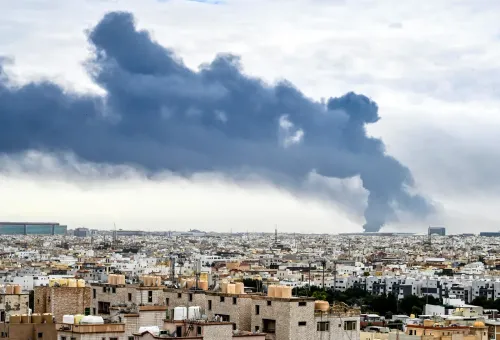
As reported by the Pakistani daily Dawn, on March 10, authorities in Bahrain apprehended six Asian individuals, five of whom are Pakistanis, on allegations of filming, publishing, and distributing videos related to the Iranian strikes on Bahrain.
This incident occurs in the context of a growing conflict that commenced on February 28, following joint military operations by the United States and Israel against Iran, which has expanded into a wider West Asia conflict.
The Bahrain police media center's statement noted that the suspects expressed "sympathy and glorified hostile actions in a way that jeopardizes security and public order."
Authorities further stated that the videos contributed to "misleading public opinion and instilling fear among citizens," which led to the referral of the suspects to public prosecution.
Legal advocates assert that Pakistan must guarantee the protection of its citizens' rights irrespective of the wartime circumstances.
Rimsha Asif, a lawyer and advocacy officer at the Justice Pakistan Project, highlighted the need for Pakistan to secure immediate consular access for those detained and ensure they receive legal counsel and interpreters.
"Pakistan's diplomatic missions should also ensure that families are kept informed and that the detainees have the means to communicate with them," Asif was quoted as saying by Dawn.
Experts recommend that the Pakistani Foreign Office first clarify the specific criminal laws applied in these arrests and subsequently pursue diplomatic avenues to facilitate the men's release or seek leniency.
The report pointed out that the absence of a prisoner transfer agreement between Pakistan and Bahrain complicates the situation.
Asif emphasized that this lack of agreement means that even if individuals are convicted, there is currently no legal framework allowing them to serve their sentences in Pakistan, which significantly limits options for humanitarian transfer.
The report also indicated that this case exemplifies broader challenges faced by more than 23,000 Pakistanis incarcerated overseas, many of whom struggle to navigate foreign legal systems without sufficient support.
"Enhancing consular protection mechanisms, improving legal assistance for overseas detainees, and establishing prisoner transfer agreements with Gulf nations are critical steps to better safeguard Pakistani nationals facing legal issues abroad," Asif stated.
Point of View
Particularly during times of conflict. A robust response from the Pakistani government is imperative to address these challenges and support its nationals.
NationPress
14 Sept 2026
Frequently Asked Questions
Why were the Pakistani nationals arrested in Bahrain?
They were arrested for allegedly recording and sharing videos related to the ongoing conflict in West Asia, which Bahrain authorities claim undermines public order.
What are the implications for Pakistan's consular protections?
These arrests highlight significant gaps in consular protections for Pakistani citizens abroad, especially during wartime situations.
What actions are being called for by legal advocates?
Legal advocates are urging the Pakistani government to secure immediate consular access for the detainees and provide them with legal representation.
How does the lack of a prisoner transfer agreement affect the detainees?
Without a prisoner transfer agreement, convicted individuals cannot serve their sentences in Pakistan, limiting humanitarian options.
What broader issue does this incident highlight?
This case reflects the challenges faced by over 23,000 Pakistanis imprisoned abroad, who often lack adequate legal support.