Pakistan police casualties surge as security gaps widen in Balochistan, KP
Synopsis
Twenty-seven police officers dead near Ziarat's Mangi Dam, armed groups withdrawing with hostages, and militant attacks up 27% in a single month — a new report lays bare how Pakistan's provincial police are being asked to fight a war they are structurally unequipped to win, with KP alone short 11,000 personnel and over 170 supervisory officers.
Key Takeaways
27 police officers were killed near Mangi Dam in Ziarat district, Balochistan — nine at the post and 18 abducted officers found shot dead in nearby mountains.
Militant attacks in Pakistan rose to 128 in May , a 27 per cent increase from April, killing 71 civilians and 68 security personnel .
Balochistan recorded the highest attack count at 71 — over half the national total for the month.
Khyber Pakhtunkhwa Police is short approximately 11,000 personnel and lacks 170 supervisory officers in grades 17–19.
The federal Establishment Division transferred only 10 officers from Punjab to hard areas in May — a measure the report calls insufficient.
Analysts warn Pakistan needs systemic reform — not just post-attack operations — to address the structural security deficit.
A fresh wave of militant attacks on Pakistani security forces, including the killing of 27 police officers near Mangi Dam in Ziarat district of Balochistan, has sharply exposed structural deficiencies in Pakistan's internal security apparatus, according to a report citing the Pakistan Institute for Conflict and Security Studies. The armed groups' ability to abduct personnel and evade pursuit has raised serious questions about the country's intelligence networks, communication systems, and reinforcement capacity.
The Ziarat Attack: What Happened
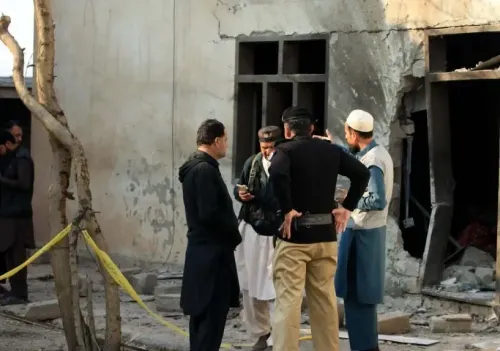
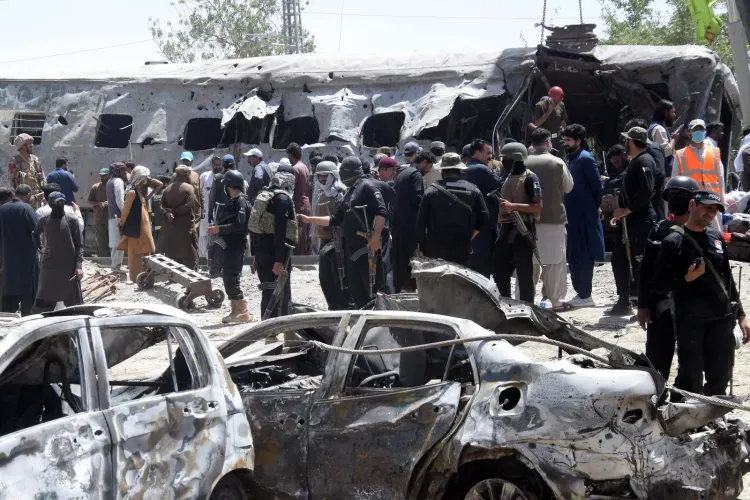
Armed men attacked a police post guarding a pumping station in Ziarat, killing nine officers on the spot. A further 18 abducted officers were subsequently found shot dead in nearby mountains, bringing the total death toll to 27, according to reports citing Afghan media outlet Khaama Press. The attack's scale — and the captors' ability to withdraw with hostages — has been cited as evidence of critical gaps in Pakistan's operational response framework.
Violence Climbing Across Pakistan
The Ziarat incident is not an isolated one. Militant attacks in Pakistan climbed to 128 in May, marking a 27 per cent increase from April, according to data cited from the Pakistan Institute for Conflict and Security Studies. The violence killed 71 civilians, 68 security personnel, and six members of local peace committees. Balochistan recorded the highest number of attacks at 71 — more than half the national total.
Understaffed and Under-Resourced Police
The structural problem runs deep. Khyber Pakhtunkhwa (KP) Police alone faces a shortfall of roughly 170 supervisory officers in grades 17 to 19, including more than 100 assistant and deputy superintendents and 68 officers at the superintendent and senior superintendent levels, according to findings from June. The provincial police chief separately confirmed the force is approximately 11,000 personnel below its authorised strength.
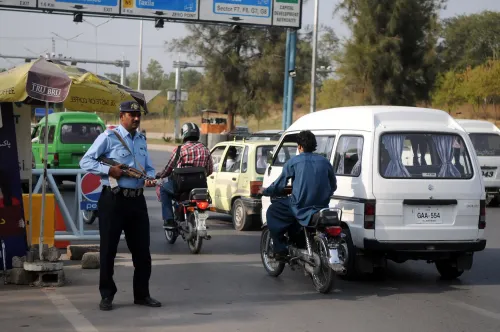
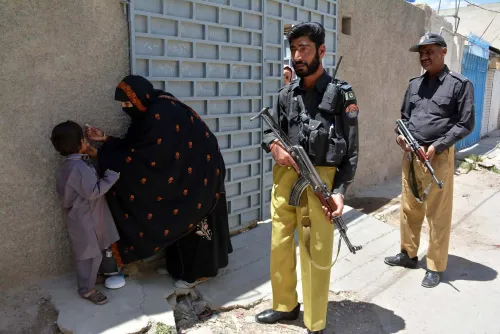
As the report noted, provincial police are already tasked with protecting communities, gathering local intelligence, securing roads and government installations, responding to militant attacks, and maintaining public order — yet they 'often operate with fewer resources and less institutional influence than the army and Frontier Corps.'
Stop-Gap Measures Fall Short
Pakistan's federal Establishment Division transferred 10 police officers from Punjab to designated 'hard areas' in Khyber Pakhtunkhwa and Balochistan in May. Police authorities have also sought special financial initiatives to improve morale and retain personnel as attacks intensify. Critics argue these are reactive measures that do not address the underlying institutional deficit. As the report stated, 'These measures acknowledge the danger but do not resolve the deeper problem.'
What the Report Recommends
The report's conclusion is pointed: Pakistan does not simply need more operations after attacks occur. It requires a security structure in which provincial police receive 'the personnel, protection, authority and institutional support required for the role they are already being asked to perform.' Without fortified facilities, modern equipment, and dependable operational backing, exposed police posts will continue to be targeted — and overrun. The trajectory of escalating attacks suggests the window for structural reform is narrowing.
Point of View
Not an aberration. Pakistan has long relied on the army and Frontier Corps as its primary security architecture, leaving provincial police chronically underfunded, understaffed, and institutionally sidelined — yet simultaneously exposed on the front line of insurgency. A 27 per cent single-month spike in attacks, combined with an 11,000-strong personnel gap in KP alone, signals that incremental fixes like inter-provincial officer transfers will not bend the curve. The harder question Pakistan must answer is whether it is willing to invest in provincial police as a serious counterinsurgency institution, or whether it will continue to treat them as expendable first responders in a war they are not equipped to fight.
NationPress
17 Oct 2026
Frequently Asked Questions
What happened in the Ziarat Mangi Dam attack in Balochistan?
Armed militants attacked a police post guarding a pumping station near Mangi Dam in Ziarat district, Balochistan, killing nine officers outright and abducting 18 others who were later found shot dead in nearby mountains. The total death toll stood at 27 police officers, according to reports citing Afghan media outlet Khaama Press.
How much have militant attacks in Pakistan increased recently?
Militant attacks in Pakistan rose to 128 in May, a 27 per cent increase from April, according to data cited from the Pakistan Institute for Conflict and Security Studies. The violence killed 71 civilians, 68 security personnel, and six members of local peace committees, with Balochistan accounting for 71 of the attacks.
Why are Pakistan's provincial police struggling to counter militant attacks?
Provincial police in Pakistan operate with fewer resources and less institutional support than the army and Frontier Corps, despite being tasked with community protection, intelligence gathering, and responding to militant attacks. Khyber Pakhtunkhwa Police alone is around 11,000 personnel below authorised strength and lacks 170 supervisory officers.
What steps has Pakistan taken to address the security gap?
Pakistan's federal Establishment Division transferred 10 police officers from Punjab to 'hard areas' in Khyber Pakhtunkhwa and Balochistan in May, and police authorities have sought special financial incentives to retain personnel. However, analysts and the cited report argue these measures do not resolve the deeper structural deficit.
What do security analysts recommend for Pakistan's police crisis?
The report recommends that Pakistan move beyond reactive post-attack operations and build a security structure in which provincial police receive adequate personnel, fortified facilities, modern equipment, and genuine institutional authority. Without systemic reform, exposed police posts will remain vulnerable to the kind of militant assault seen in Ziarat.