Pakistan's human rights record in Balochistan and PoK under global scrutiny
Synopsis
A European Times report compiled in Brussels documents a damning pattern across Pakistan's restive periphery — enforced disappearances still ongoing in Balochistan 17 years after Sammi Deen Baloch's father vanished, and a 2026 crackdown in PoK that banned the JAAC, disrupted telecoms, and left protesters dead. The evidence trail now runs all the way to the UN Human Rights Council in Geneva.
Key Takeaways
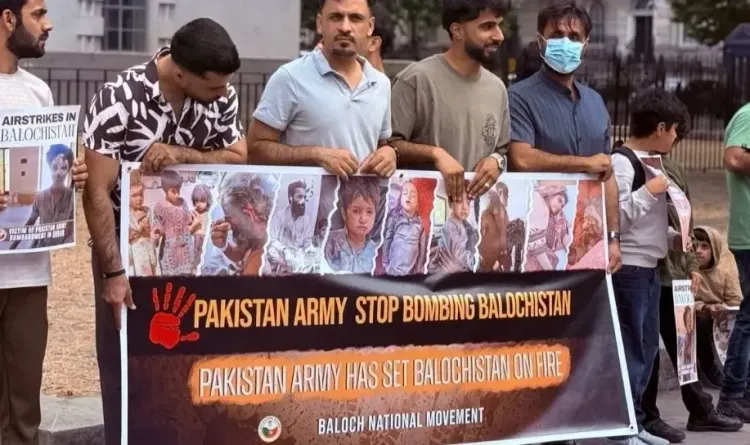
A European Times report compiled in Brussels documents systematic human rights violations across Balochistan and Pakistan-occupied Kashmir (PoK) as of 2 October 2026 .
Baloch activist Sammi Deen Baloch's father disappeared in 2009 ; in April 2026 , activist Fozia Baloch's brother Dad Shah vanished from Karachi .
Pakistani authorities banned the Joint Awami Action Committee (JAAC) on 5 June 2026 under counterterrorism laws, triggering deadly protest clashes in PoK.
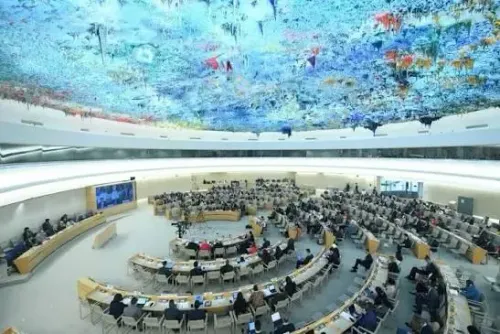
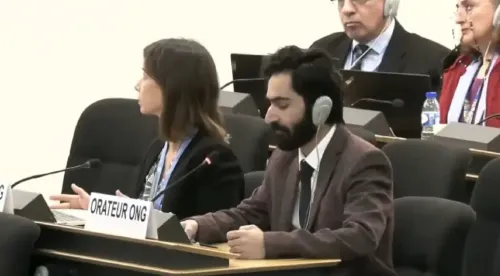
In March 2026 , allegations of repression in Balochistan were formally raised at the UN Human Rights Council in Geneva .
Human Rights Watch documented restrictions in PoK as early as 2006 ; UN reports flagged concerns in 2018 and 2019 .
Balochistan's strategic role in the China–Pakistan Economic Corridor (CPEC) and the Gwadar port has amplified both the state's grip and international interest in the region.
From restive Balochistan to Pakistan-occupied Kashmir (PoK), Pakistan's human rights record faces mounting international scrutiny, with a report in the European Times documenting enforced disappearances, political repression, and the use of counterterrorism laws against civilian populations in both regions. The report, cited from Brussels on 2 October 2026, draws a direct line between geography, resource control, and the state's increasingly militarised approach to its peripheral territories.
Roots of the Balochistan Crisis
The current phase of conflict in Balochistan is rooted in disputes that stretch back to Pakistan's founding years, when the princely state of Kalat was incorporated in 1948, triggering successive cycles of insurgency. The deadliest of these unfolded between 1973 and 1977. In the 21st century, the conflict has been further complicated by disputes over political autonomy, ethnic representation, and control over the region's substantial natural gas and mineral wealth. The strategic stakes have only grown with the development of the Gwadar port and Balochistan's central role in the China–Pakistan Economic Corridor (CPEC).
Enforced Disappearances: Families Still Waiting
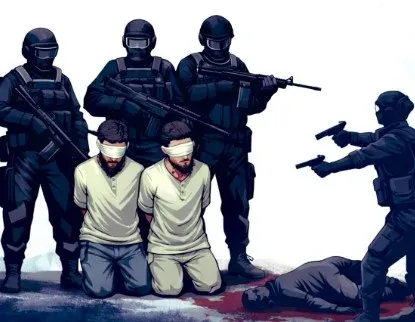
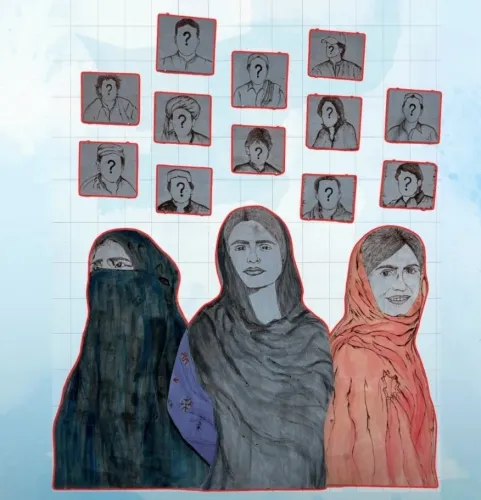
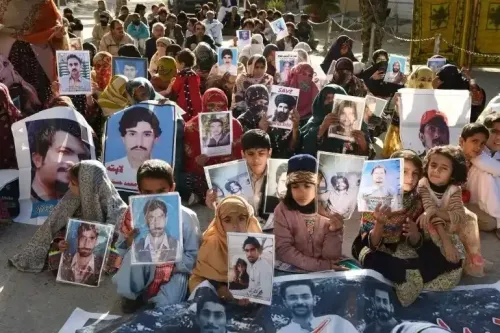
According to the report, Pakistan's policy of enforced disappearances in Balochistan has left generations of families without answers. Baloch activist Sammi Deen Baloch was just 10 years old when her father, Deen Mohammed Baloch, disappeared in 2009. Her prolonged search for him transformed her into one of the most recognised voices among families of the disappeared. The practice reportedly has not abated — in April 2026, Dad Shah, the brother of activist Fozia Baloch, disappeared from his home in Karachi, the European Times reported.
PoK: Restrictions Predate 2026, but Escalated This Year
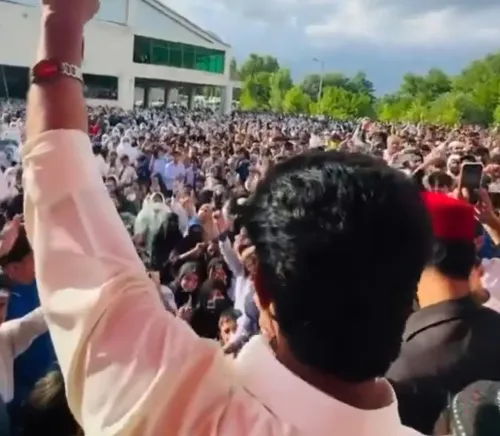
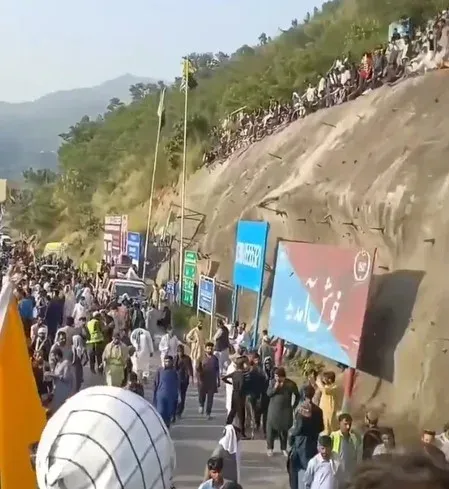
Restrictions on political expression in Pakistan-occupied Kashmir are not new. US-based advocacy group Human Rights Watch documented curbs on political activity as far back as 2006. United Nations reports in 2018 and 2019 raised concerns over freedom of expression and assembly, the use of counterterrorism legislation, and allegations of enforced disappearances in the territory. However, 2026 brought a notable escalation. On 5 June 2026, Pakistani authorities banned the Joint Awami Action Committee (JAAC) under counterterrorism laws, followed by telecommunications disruptions and pre-emptive arrests ahead of planned protests. Deadly clashes during those protests subsequently drew further international attention to allegations of police violence and protester deaths.
International Attention and UN Engagement
The report highlighted that concerted efforts have been made to elevate these concerns on the world stage. In March 2026, serious allegations of human rights violations in Balochistan — including the repression of ethnic and religious communities — were explicitly raised before the United Nations Human Rights Council in Geneva. The report concluded with a call to action: 'One can only hope that the international community, too, will mobilise in response to the daily human rights violations' taking place in both Balochistan and PoK.
What Comes Next
The convergence of UN scrutiny, documented activist testimony, and deadly protest crackdowns in mid-2026 suggests that Pakistan's handling of these regions is unlikely to fade from international diplomatic agendas. Advocacy groups are pressing for independent monitoring mechanisms, while the banning of JAAC and ongoing disappearances in Balochistan continue to provide fresh fuel for accountability demands at multilateral forums.
Point of View
Counterterrorism legislation as a silencing tool, and information blackouts before protests. The 2026 banning of JAAC in PoK and the April 2026 disappearance in Karachi show the machinery is still active, not winding down. The March 2026 UN Human Rights Council session is a significant escalation in multilateral pressure, but past UN concern — documented as far back as 2018 — produced little measurable change. The real question is whether the international community moves from rhetorical concern to enforceable accountability, or whether 'mobilisation' remains a hope rather than a policy.
NationPress
2 Oct 2026
Frequently Asked Questions
What is the current situation in Pakistan's Balochistan province?
Balochistan has been at the centre of a long-running conflict rooted in disputes over political autonomy, ethnic representation, and control of its natural gas and mineral resources. The region's strategic importance has grown with the Gwadar port and its role in the China–Pakistan Economic Corridor (CPEC). Enforced disappearances of activists and civilians remain a documented and ongoing concern, with the most recent case reported as recently as April 2026.
Who is Sammi Deen Baloch and why is she significant?
Sammi Deen Baloch is a Baloch activist whose father, Deen Mohammed Baloch, disappeared in 2009 when she was just 10 years old. Her decades-long public search for him made her one of the most recognised voices among families of the disappeared in Balochistan. Her case is widely cited in human rights documentation on Pakistan's enforced disappearance policy.
What happened in Pakistan-occupied Kashmir in June 2026?
On 5 June 2026, Pakistani authorities banned the Joint Awami Action Committee (JAAC) under counterterrorism legislation. The crackdown was accompanied by telecommunications disruptions and arrests ahead of planned protests. Deadly clashes between protesters and security forces subsequently drew international condemnation and calls for accountability.
Has the United Nations addressed Pakistan's human rights record in these regions?
Yes. UN reports in 2018 and 2019 raised concerns over freedom of expression, the use of counterterrorism laws, and enforced disappearances in Pakistan-occupied Kashmir. Most recently, in March 2026, allegations of human rights violations in Balochistan — including repression of ethnic and religious communities — were formally raised before the UN Human Rights Council in Geneva.
What is CPEC and why does it matter to the Balochistan conflict?
The China–Pakistan Economic Corridor (CPEC) is a multi-billion-dollar infrastructure and investment programme linking China's Xinjiang region to Pakistan's Gwadar port on the Arabian Sea. Because Balochistan hosts Gwadar and much of the corridor's route, the province has taken on heightened strategic importance, which analysts argue has intensified both state interest in the region and the suppression of local dissent over resource control and political autonomy.