What is Pakistan's Position on the ISF as Sharif Visits Washington?
Synopsis
As Pakistan's Prime Minister Shehbaz Sharif heads to Washington, the nation remains tight-lipped on its involvement in the International Stabilized Force for Gaza. With critical decisions looming, how will Pakistan navigate its role in this international effort?
Key Takeaways
Pakistan has not yet confirmed its participation in the ISF.
Trump's initiative aims for a peaceful resolution in Gaza.
Pakistan's involvement will depend on a clear and limited mandate.
Domestic sensitivities are a factor in decision-making.
Hamas fighters may receive amnesty under Trump's proposal.
Islamabad, Feb 16 (NationPress) As US President Donald Trump gears up to disclose information about the United Nations-sanctioned stabilization force for Gaza, Pakistan has yet to clarify its position on potentially deploying troops to the International Stabilized Force (ISF), according to local media reports on Monday.
On Sunday, Trump announced that member nations of the Board of Peace had pledged to contribute thousands of personnel for the ISF prior to the inaugural meeting scheduled for February 19 in Washington. However, officials in Pakistan have not confirmed nor denied the country's possible involvement in the ISF.
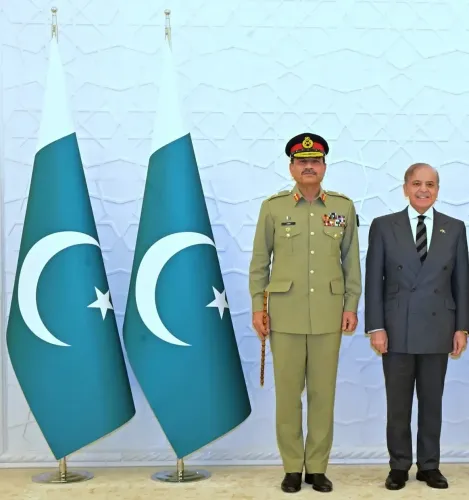
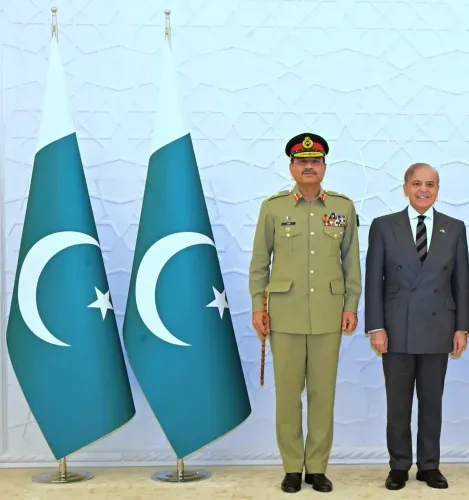
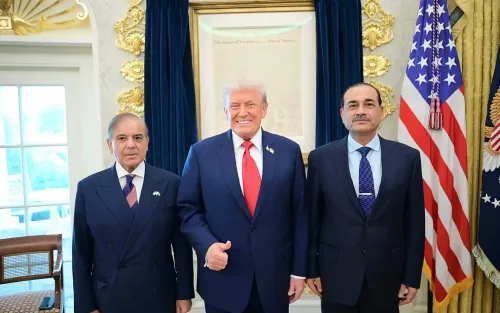
Trump plans to unveil a reconstruction strategy for Gaza and outline the framework and responsibilities of the ISF. Pakistan's Prime Minister Shehbaz Sharif is expected to attend this first formal gathering of the Board of Peace, as reported by Pakistan's prominent daily, The Express Tribune.
Sources from Pakistan's security and foreign offices have refrained from confirming or dismissing any commitment, indicating ongoing discussions. An official, who wished to remain anonymous, remarked, "No public decision has been made."
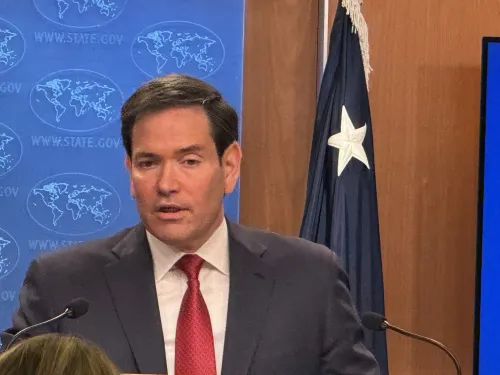
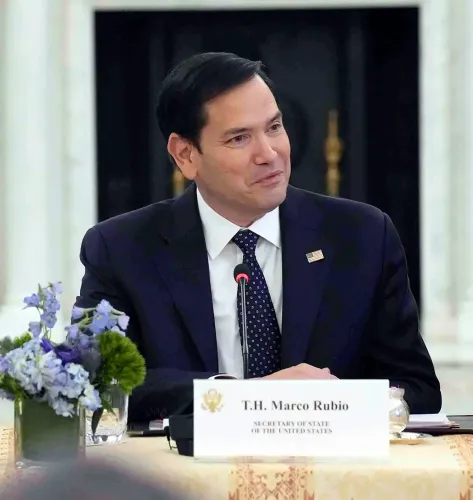
The topic was broached during a meeting between Pakistan's Chief of Army Staff Field Marshal Asim Munir and US Secretary of State Marco Rubio at the Munich Security Dialogue on Saturday. Neither party disclosed any details, though diplomatic sources suggest that the ISF's mandate is under careful review, as reported by local media.
Pakistan has voiced support for Trump's 20-point Gaza peace initiative and joined the Board of Peace following a United Nations Security Council resolution backing its formation. Nevertheless, Pakistan has publicly stated that its involvement in any force will depend on a well-defined and limited mandate.
Previously, Pakistan's Foreign Minister Ishaq Dar indicated that the country would only contemplate joining the Gaza force if its role is confined to peacekeeping and humanitarian stabilization, rather than disarming Hamas or targeting any other Palestinian faction, as noted by The Express Tribune.
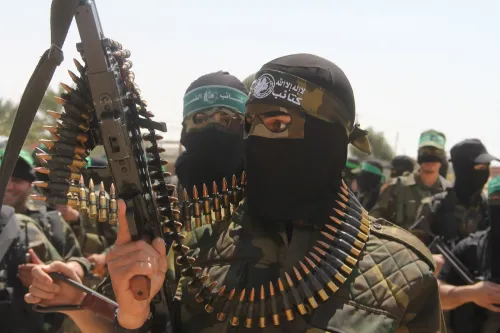
In Trump's proposal, Hamas members willing to surrender their arms and embrace peaceful coexistence would be granted amnesty, while others could have the option to exit Gaza. For Pakistan, any decision regarding troop deployment for the ISF would have significant political and security repercussions, especially given domestic sensitivities around involvement in the conflict between Hamas and Israel.
Point of View
I believe that Pakistan's cautious approach to the ISF reflects a prudent consideration of national interests and regional dynamics. It’s crucial that any involvement is based on clear mandates to ensure stability without exacerbating existing tensions.
NationPress
7 Oct 2026
Frequently Asked Questions
Why is Pakistan's stance on the ISF important?
Pakistan's involvement in the ISF could significantly influence regional dynamics and peace efforts, especially given its historical ties to the Palestinian cause.
What conditions did Pakistan set for participation?
Pakistan has stated it would only consider participation if the role is limited to peacekeeping and humanitarian efforts, avoiding direct military engagements.
Who are the key figures involved?
Key figures include US President Donald Trump, Pakistan's Prime Minister Shehbaz Sharif, and US Secretary of State Marco Rubio.
What are the implications of this situation?
The implications extend beyond military involvement, affecting political relations, security concerns, and the broader peace process in the Middle East.