Karachi ranked 4th least liveable city globally in EIU 2026 index
Synopsis
Karachi has landed at 170th out of 173 cities in the EIU Global Liveability Index 2026, cementing its place as the world's fourth least liveable city with an overall score of just 43 out of 100. A detailed report traces the crisis to decades of governance failure — delayed projects, funding shortfalls, and alleged corruption — in a city that remains Pakistan's economic backbone yet cannot reliably supply its residents with water, safe roads, or public transport.
Key Takeaways
Karachi ranked 170th out of 173 cities in the EIU Global Liveability Index 2026 , the world's fourth least liveable city .
The city scored 43 out of 100 overall, with a critically low 20 on stability .
Only Dhaka , Damascus , and Tripoli ranked below Karachi in the index.
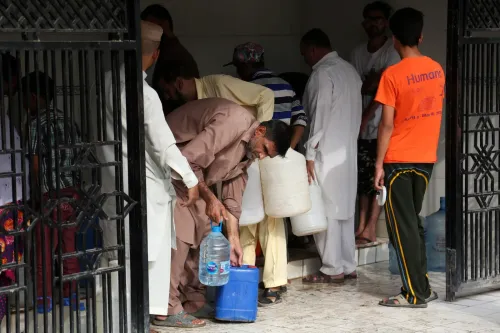
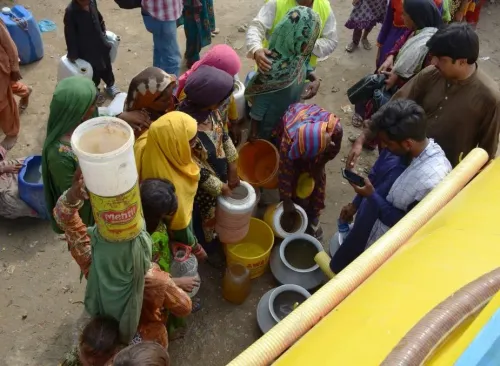
Residents reportedly spend thousands of rupees monthly buying water that should be available through the public network.
Successive federal and Sindh governments have announced major development plans, but many flagship projects remain years behind schedule due to funding shortages, administrative delays, and allegations of corruption.
Karachi has once again been ranked among the world's least liveable cities, placing 170th out of 173 cities in the Economist Intelligence Unit (EIU) Global Liveability Index 2026 — making it the fourth least liveable city on the planet. The ranking, released in July 2026, underscores decades of governance failures in a city that remains Pakistan's economic engine yet cannot provide its millions of residents with basic urban services.
Where Karachi Stands in the EIU Rankings
Karachi received an overall score of 43 out of 100 in the EIU index, which assesses cities across five indicators: stability, healthcare, culture and environment, education, and infrastructure. The city scored 20 on stability, 54 on healthcare, 36 on culture and environment, 75 on education, and 52 on infrastructure.
The only cities ranked below Karachi are Dhaka, Damascus, and Tripoli. The EIU index is a globally recognised benchmark that evaluates the challenges a city's conditions present to residents' everyday lifestyle and long-term wellbeing.
The Daily Reality for Karachi's Residents
According to a detailed report published in Pakistan's Express Tribune magazine, authored by Razzak Abro and Syed Ashraf Ali, the liveability crisis is not an abstraction — it is the daily experience of millions. Residents reportedly spend thousands of rupees each month purchasing water that should be available through the public supply network.
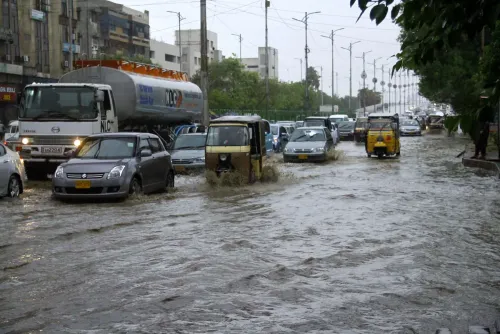
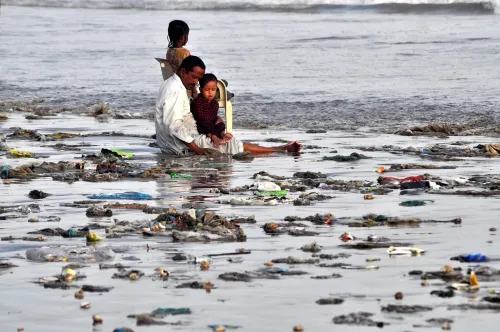
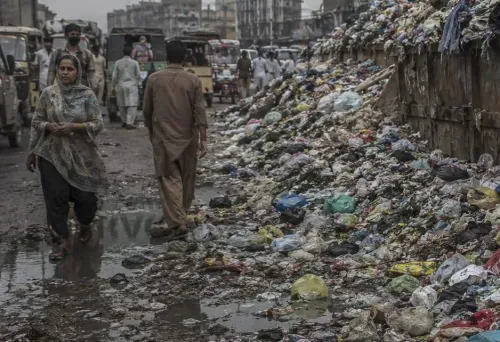
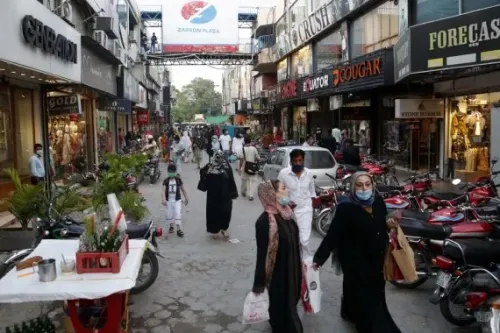
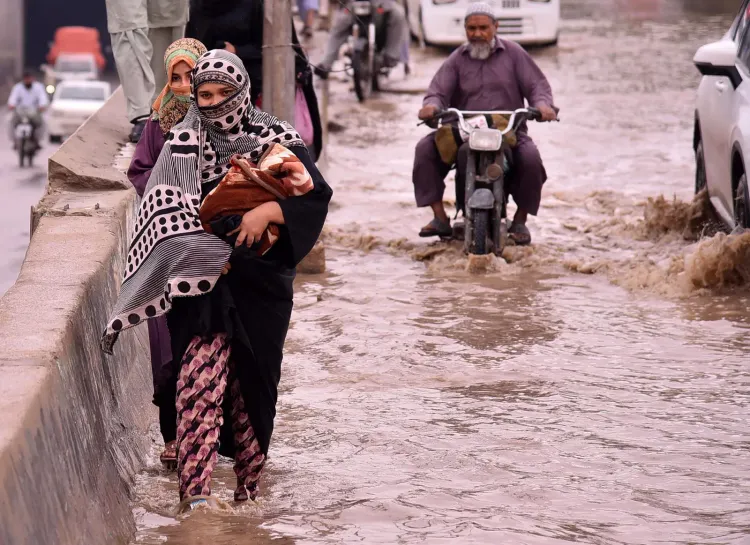
'International liveability rankings have repeatedly highlighted Karachi's struggles with inadequate civic facilities, weak urban planning, and declining quality of life. Behind these rankings are everyday realities faced by millions of residents: unreliable water supplies, overcrowded transport, damaged roads, piles of garbage and growing concerns about personal safety,' the report stated.
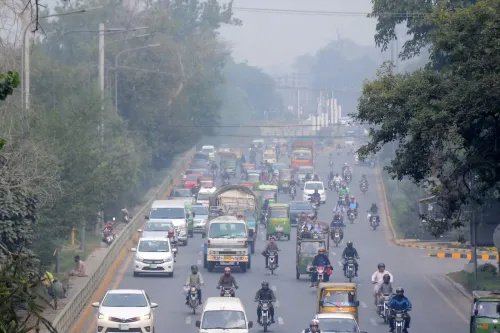
Commuters face hours in overcrowded public transport or traffic gridlock caused by perpetually incomplete road works. Concerns over street crime, the report noted, have become a persistent feature of urban life in the city.
Years of Delayed Projects and Weak Governance
The Express Tribune report argues that Karachi's crisis is systemic rather than situational. 'Together, these failures illustrate why Karachi continues to struggle in global liveability rankings. While successive federal and Sindh governments have announced ambitious development plans, many flagship projects remain years behind schedule, hampered by funding shortages, administrative delays, contractual disputes and allegations of corruption,' the article stated.
The authors attributed the city's deterioration to years of delayed decision-making, weak coordination between government institutions, and inadequate implementation of development plans. Several projects announced as solutions to Karachi's challenges have reportedly remained incomplete for years, even as a rapidly growing population places mounting pressure on already strained services.
A City Whose Importance Outpaces Its Infrastructure
Karachi's predicament is particularly stark given its economic centrality to Pakistan. The city generates a disproportionate share of national tax revenue and trade, yet its infrastructure has, according to the Express Tribune report, 'failed to keep pace with the city's rapid growth.' This gap between economic significance and urban quality of life is at the heart of Karachi's recurring poor performance in global rankings.
Notably, this is not the first year Karachi has featured near the bottom of the EIU index — the city's presence in the bottom tier has become a pattern, reflecting entrenched structural failures rather than a temporary dip. With no major governance overhaul currently signalled by either federal or provincial authorities, analysts expect little near-term improvement in the city's standing.
Point of View
And no amount of development announcements will move that needle without accountability for project delays and alleged corruption. What is consistently missing from the conversation is the cost borne by ordinary residents: the thousands of rupees spent monthly on water that a functioning city would deliver for free. Pakistan's federal and provincial governments have had decades to act on Karachi; the EIU index is simply the annual reminder that they have not.
NationPress
10 Aug 2026
Frequently Asked Questions
What is Karachi's rank in the EIU Global Liveability Index 2026?
Karachi ranked 170th out of 173 cities in the EIU Global Liveability Index 2026, making it the world's fourth least liveable city. It received an overall score of 43 out of 100.
Which cities ranked below Karachi in the 2026 liveability index?
Only three cities ranked below Karachi: Dhaka, Damascus, and Tripoli. These four cities occupy the bottom of the 173-city EIU Global Liveability Index 2026.
What are the main reasons behind Karachi's poor liveability ranking?
According to a report in Pakistan's Express Tribune magazine, the causes include unreliable water supplies, overcrowded and inadequate public transport, damaged roads, unmanaged waste, and growing street crime. Structurally, years of delayed decision-making, weak inter-agency coordination, funding shortfalls, and alleged corruption have stalled major development projects.
How does Karachi score across the EIU's individual liveability indicators?
Karachi scored 20 on stability, 54 on healthcare, 36 on culture and environment, 75 on education, and 52 on infrastructure, for an overall score of 43 out of 100. Its stability score is the most critically low figure.
Why does Karachi continue to rank poorly despite being Pakistan's economic hub?
Successive federal and Sindh governments have announced ambitious development plans, but many flagship projects remain years behind schedule due to funding shortages, administrative delays, contractual disputes, and allegations of corruption, according to the Express Tribune report. The city's infrastructure has failed to keep pace with its rapid population growth, widening the gap between its economic importance and its urban quality of life.