Is Pakistan Attempting to Conceal the Failure of Its 'Strategic Depth' Policy in Afghanistan?
Synopsis
Pakistan is seeking to redefine its image on the global stage, portraying itself as a victim amidst tensions with Afghanistan. This article explores how Pakistan's strategies may backfire, risking its long-term relations with the Taliban while trying to gain international support.
Key Takeaways
Pakistan is attempting to alter its global narrative regarding its role in Afghanistan.
Accusations against the Taliban are part of its strategy to gain international sympathy.
The failure of peace talks may lead to a shift in Pakistan's military approach.
Diplomatic efforts appear complicated by regional dynamics and historical mistrust.
The situation remains fluid, with potential repercussions for regional stability.
Islamabad, Nov 5 (NationPress) Pakistan is reportedly intensifying its efforts to alter the global perception regarding its role in Afghanistan amidst rising tensions and uncertainty surrounding peace negotiations with the Taliban. In this context, Pakistan aims to depict itself as a victim of cross-border terrorism, labeling the Taliban as uncooperative, and seeking backing from both Western and friendly Islamic nations. The country is justifying its military actions in Afghanistan while blaming India for its ongoing tensions with the Taliban, according to a recent report.
According to Sarral Sharma, a Doctoral Candidate at JNU and former Consultant at the National Security Council Secretariat, “All these factors also contribute to Pakistan's attempts to obscure its strategic depth policy failures in Afghanistan, coercing Taliban leadership to comply or face repercussions. With revitalized relations with the United States and a growing diplomatic presence in the Middle East, Pakistan believes it can reshape perceptions surrounding Afghanistan. While this strategy might yield short-term gains, Islamabad risks long-term alienation of the Taliban.”
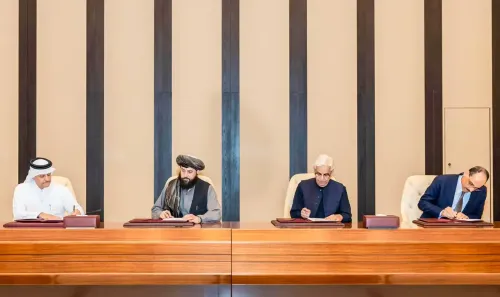
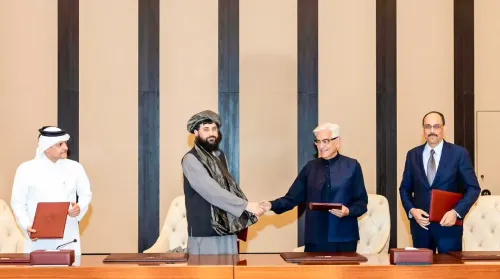
Pakistan has consistently presented itself as a victim of cross-border terrorism, accusing the Taliban of harboring the Tehreek‑e‑Taliban Pakistan (TTP) and other militant factions targeting Pakistani armed forces. During recent discussions in Turkey, Pakistan stated, “The dialogue...ended without any workable solution,” criticizing the Taliban’s indifference to its losses.
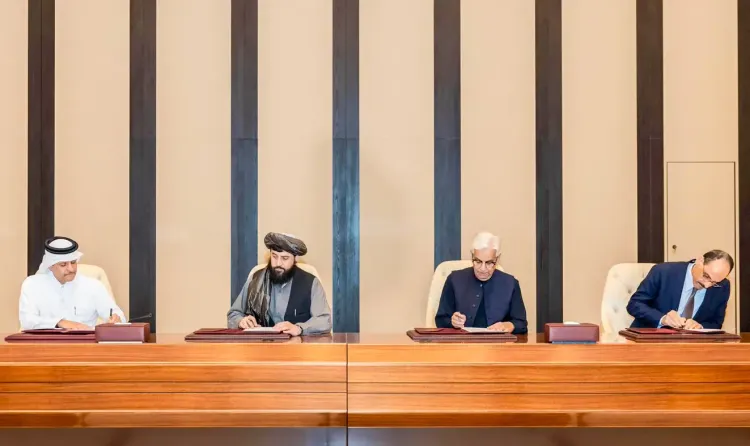
By emphasizing its own hardships, Pakistan is trying to play the role of a responsible, peace-seeking neighbor whose diplomatic efforts have been rebuffed due to the Taliban's stance. The recent talks concluded on October 30, with plans for further negotiations in Istanbul beginning Thursday.
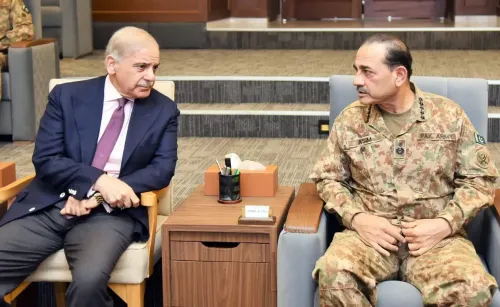
Sharma notes that by condemning the Taliban and highlighting its own peaceful initiatives, Pakistan seeks to portray itself as a peace advocate. The nation asserts that it has “always desired, advocated, and sacrificed immensely for peace and prosperity for the Afghan people” and warns that “Pakistan's patience has run its course.” Army Chief Asim Munir stated, “When it comes to the safety and security of every single Pakistani, the whole of Afghanistan can be damned.” Such statements position Pakistan as both a willing negotiator and a formidable military entity entitled to take action.
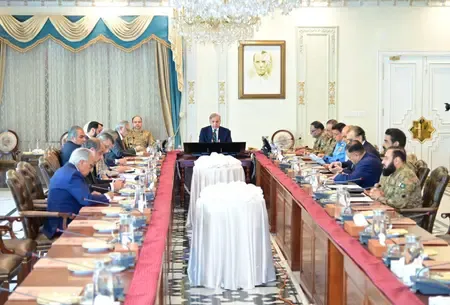
The breakdown of peace talks also enables Pakistan to garner support from Western and Islamic nations to exert pressure on the Taliban. Islamabad contends that Afghanistan cannot achieve stability until its security concerns, particularly regarding the TTP, are addressed. The report highlights that since the Taliban considers the militancy issue an internal challenge for Pakistan, Islamabad may leverage the uncertainty surrounding negotiations to illustrate the Taliban's unreliability and secure diplomatic, financial, and military assistance from Western countries.
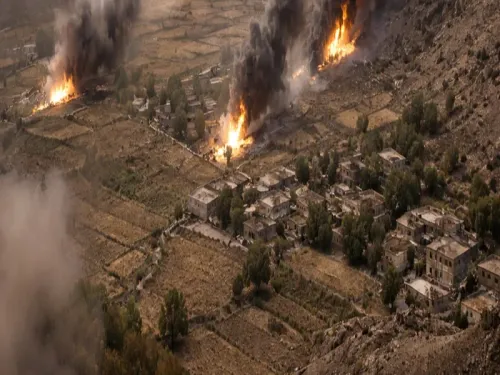
Sharma explains that this diplomatic standstill allows Pakistan to justify its military strategy against Afghanistan, framed as counter-terrorism operations targeting the TTP and its affiliates. The temporary cessation of diplomatic relations between the two nations could result in Pakistan launching military strikes inside Afghanistan, potentially in Kabul or Kandahar.
Pakistan appears unsettled following the recent visit of Afghanistan's Foreign Minister Mawlawi Amir Khan Muttaqi to India in October. However, relying on military action and coercive diplomacy may further alienate the Taliban, diminish Pakistan's influence, and heighten the risk of confrontation.
The Taliban, now operating under “Taliban 2.0,” is resistant to accepting directives from Pakistan and seeks mutual respect. Furthermore, Pakistan is resistant to Taliban's independent policies, particularly regarding Afghanistan's strengthening ties with India. Even after four years since seizing power, the Taliban has not been recognized by Pakistan as Afghanistan's legitimate government, fostering significant mistrust in Kabul regarding Islamabad's intentions.
Point of View
It is essential to recognize the delicate balance Pakistan is trying to maintain. While the country seeks to portray itself as a victim, it must acknowledge that the approach could further strain its relationship with the Taliban and affect regional stability. Ultimately, the focus should remain on constructive dialogue and peace-building efforts.
NationPress
2 Oct 2026
Frequently Asked Questions
What are Pakistan's current relations with the Taliban?
Pakistan is trying to portray itself as a victim while dealing with increasing tensions with the Taliban, seeking international support amid stalled peace talks.
How is Pakistan attempting to reshape its narrative?
Pakistan is emphasizing its own suffering from cross-border terrorism, seeking to gain sympathy and support from Western and Islamic nations.
What impact could these strategies have on Pakistan's future?
These tactics may provide short-term benefits but risk long-term alienation from the Taliban and potential diplomatic isolation.