Pakistan cannot lecture India on J&K while using drones on PoJK protesters
Synopsis
While Pakistan regularly criticises India's administration of Jammu and Kashmir, a new report details how its own security forces used drones and live fire against civic protesters in PoJK on 5 November, killing at least three. With Amnesty International, six UN Special Rapporteurs, and diaspora activists all raising alarms, the contrast between Islamabad's rhetoric and its actions in the territory it controls is now squarely in the international spotlight.
Key Takeaways
A report by India Narrative states Pakistan cannot lecture India on J&K governance while suppressing civic demands in PoJK with drones and live fire.
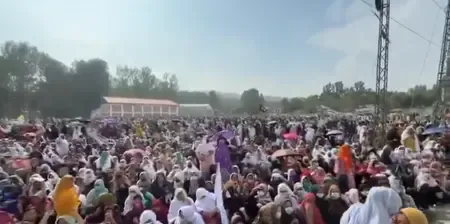
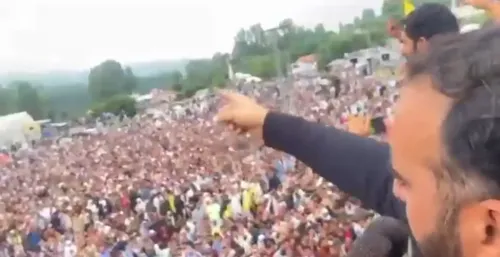
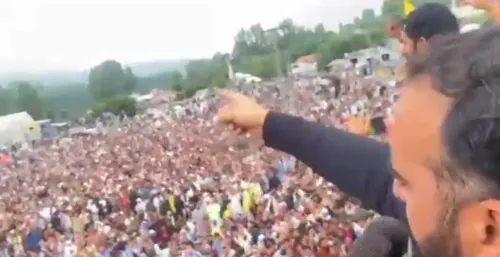
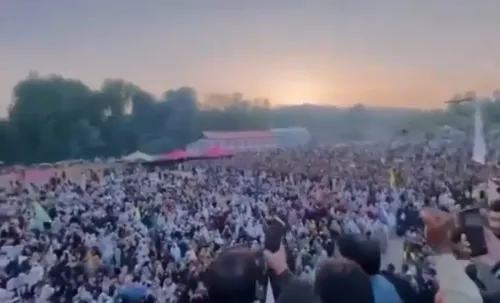
Pakistan Rangers and police dispersed sit-in protests in Rawalakot, PoJK on 5 November , killing at least 3 protesters and injuring over a dozen.
UN human rights experts had earlier noted approximately 96 protester deaths since June in PoJK.
Amnesty International has urged Pakistan to conduct a prompt, transparent investigation into the use of lethal force against protesters.
Six UN Special Rapporteurs raised concerns over Pakistan's designation of the JAAC as a terrorist organisation, warning of misuse of counter-terrorism laws.
Communication blackouts and reporter detentions have severely hampered independent documentation of events in PoJK .
A detailed report has found that Pakistan is in no position to lecture India on the administration of the Union Territory of Jammu and Kashmir, internet restrictions, or counter-terrorism measures, given that its own security forces have responded to civic governance demands in Pakistan-occupied Jammu and Kashmir (PoJK) with drones, live ammunition, and prolonged communication blackouts. The report underscores a stark double standard at the heart of Islamabad's public posture on Kashmir.
What the Report Found
According to the report published in India Narrative, Islamabad routinely raises concerns about New Delhi's governance of Jammu and Kashmir, including internet restrictions and counter-terrorism operations against cross-border militancy. Yet in PoJK, Pakistani authorities have invoked anti-terrorism laws, deployed lethal force, enforced communication blackouts, and cracked down on press freedom in response to residents demanding better governance, affordable electricity, political representation, and the implementation of previously agreed terms.
The Rawalakot Crackdown of November 2025
The most recent escalation, according to the report, took place in the Rawalakot area of PoJK on 5 November, when Pakistan Rangers and local police moved to disperse sit-in protests that had persisted for months. Reports cited by Amnesty International and local activists describe the use of live ammunition and drones, resulting in the deaths of at least three protesters and injuries to more than a dozen others. Broader tallies from UN human rights experts had earlier noted approximately 96 protester deaths since June — including security personnel — while diaspora activists and groups such as the Jammu Kashmir Human Rights Observatory have documented higher cumulative figures, acknowledging the difficulty of verification amid the blackouts.
International Voices Raise Alarms
Amnesty International has written an open letter to Pakistani authorities urging a prompt, thorough, impartial, effective, and transparent investigation into the deaths and injuries of protesters, as well as what it called the unlawful use of force, including lethal weapons, by security personnel in the occupied territory. Separately, six UN Special Rapporteurs on human rights recently voiced concern over Pakistan's designation of the Joint Awami Action Committee (JAAC) as a terrorist organisation in PoJK, warning that counter-terrorism powers were being misused to suppress political and labour advocacy.
Media Blackout and Documentation Challenges
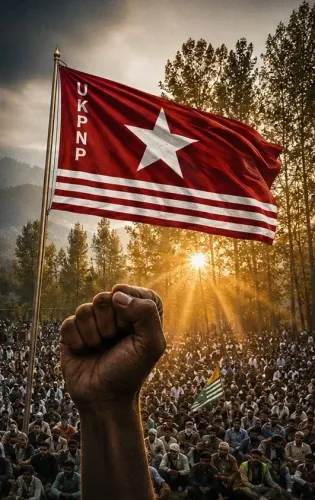
Communication blackouts and movement restrictions have severely hampered efforts to document developments on the ground. Local journalists have reported difficulties in verifying casualty figures and accessing affected areas, and some independent reporters were reportedly detained for attempting to cover events in the region. Diaspora voices, including those from the United Kashmir People's National Party and activists such as Amjad Ayub Mirza, have alleged enforced disappearances, the withholding of bodies — sometimes reportedly contingent on families declaring the deceased 'terrorists' — and the deployment of paramilitary forces against peaceful civic gatherings.
What Genuine Accountability Requires
The report argues that authentic accountability demands independent investigations, restoration of communication services and media access, meaningful dialogue with local representatives, and an end to the pattern of suppressing local voices. It draws a direct line between Islamabad's rhetorical posture on Jammu and Kashmir and its own conduct in the territory it administers — a contradiction, the report contends, that the international community cannot overlook.
Point of View
Six UN Special Rapporteurs, and diaspora activists — all pointing at the same set of facts, yet the story has struggled to break through global media noise. The communication blackout in PoJK is not incidental; it is structural, designed precisely to prevent the kind of documentation that would make Islamabad's double standard impossible to ignore. The harder question mainstream coverage avoids: why has the international response remained so muted relative to the scale of deaths reported?
NationPress
21 Nov 2026
Frequently Asked Questions
What is happening in Pakistan-occupied Jammu and Kashmir (PoJK)?
Residents of PoJK have been staging prolonged sit-in protests demanding better governance, affordable electricity, political representation, and implementation of earlier agreements. Pakistan's security forces, including Pakistan Rangers, reportedly used drones and live ammunition to disperse protesters in Rawalakot on 5 November, killing at least three people and injuring more than a dozen others.
Why does the report say Pakistan cannot lecture India on Jammu and Kashmir?
The report argues that Pakistan routinely criticises India's administration of the Union Territory of Jammu and Kashmir, including internet restrictions and counter-terrorism measures. However, Pakistan's own conduct in PoJK — deploying lethal force, banning groups under anti-terrorism laws, and enforcing communication blackouts against civic protesters — represents the same practices it publicly condemns in India.
What has Amnesty International said about the PoJK crackdown?
Amnesty International has written an open letter urging Pakistani authorities to conduct a prompt, thorough, impartial, effective, and transparent investigation into the deaths and injuries of protesters, citing what it described as the unlawful use of force, including lethal weapons, by security personnel in PoJK.
What concerns have UN human rights experts raised over PoJK?
Six UN Special Rapporteurs recently expressed concern over Pakistan's designation of the Joint Awami Action Committee (JAAC) as a terrorist organisation in PoJK, warning that counter-terrorism powers were being misused to target political and labour advocacy. Earlier UN human rights experts had also noted approximately 96 protester deaths in PoJK since June.
How have communication blackouts affected reporting from PoJK?
Prolonged communication blackouts in PoJK have severely hampered efforts to verify casualty figures and document events on the ground. Local journalists have faced restrictions on accessing affected areas, and some independent reporters were reportedly detained for attempting to cover the unrest, making independent verification difficult.