Pentagon weighs cutting Persian Gulf military presence after Iran war
Synopsis
The Iran war has done what decades of debate could not — forced the Pentagon to seriously question whether its traditional Gulf basing posture is sustainable. With over 200 facilities damaged, 10 service members killed, Patriot stockpiles depleted, and a $37.5 billion bill still climbing, a westward repositioning of US forces is no longer theoretical. The outcome could redraw America's military map in the Middle East.
Key Takeaways
The Pentagon is evaluating a potential reduction of US military presence in the Persian Gulf following the Iran war , though no formal review has been ordered by Defence Secretary Pete Hegseth .
More than 200 US facilities have been damaged or destroyed during the conflict; the war is estimated to cost $37.5 billion by end of September , excluding base repairs estimated at $5 billion .
Six US service members were killed in a March strike on Port Shuaiba, Kuwait ; an Iranian attack on Jordan killed four more .
The US has expended more than 1,000 advanced air-defence interceptors , depleting Patriot and THAAD missile stockpiles.
Admiral Bradley Cooper of Central Command reportedly supports discussions on moving troops westward from the Gulf to Jordan , Israel , or Saudi Arabia's Red Sea coast .
Central Command normally stations about 40,000 troops at nearly 20 sites across a 1,500-mile stretch from Jordan to Oman .
The Pentagon is evaluating a potential reduction of US military presence in the Persian Gulf following the Iran war, as extensive damage to American bases across the Middle East compels defence officials to rethink how troops and equipment are deployed in the region, according to reports citing multiple officials familiar with the matter.
The assessment remains at an early stage. Defence Secretary Pete Hegseth has not yet ordered a formal review, according to reports that cited eight officials and others with knowledge of the discussions. A senior Pentagon official characterised the exercise as 'prudent planning'.
Scale of the US Military Footprint at Stake
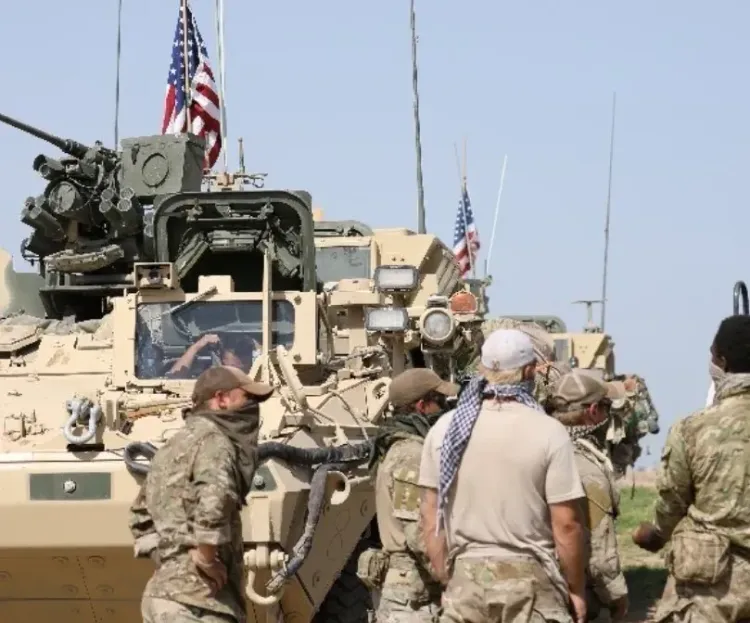
US Central Command ordinarily stations approximately 40,000 troops at nearly 20 sites spanning roughly 1,500 miles from Jordan to Oman. The largest and most permanent American installations in the region are concentrated in the Persian Gulf. Bahrain hosts the headquarters of the US Fifth Fleet, while Kuwait houses major Army and Air Force assets.
Since early this year, the Pentagon has deployed additional warships, fighter aircraft, air-defence systems, and other equipment to the region. US forces have reportedly carried out more than 13,000 strikes against Iran during the conflict.
Damage, Casualties, and Strategic Vulnerability
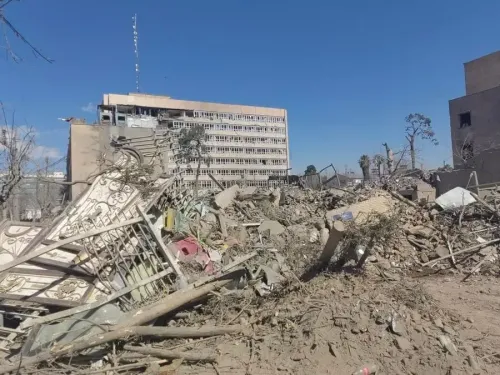
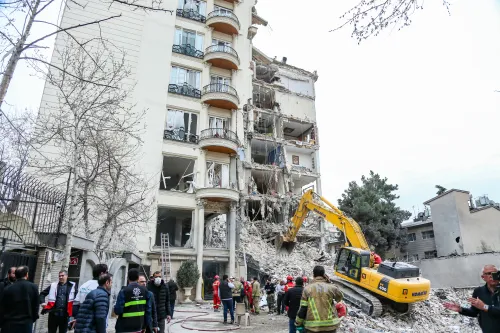
The war has exposed significant vulnerabilities in the traditional US basing posture. More than 200 US facilities have reportedly been damaged or destroyed during the conflict. Six American service members were killed in a March strike on Port Shuaiba in Kuwait. An Iranian attack on Jordan last month killed four more US service members.
The US military has also expended more than 1,000 advanced air-defence interceptors, significantly drawing down its stockpiles of Patriot and Terminal High Altitude Area Defence (THAAD) missiles — a depletion that carries long-term readiness implications.
'The war really did highlight the vulnerability of US forces in the region,' said Michael Ratney, a former US ambassador to Saudi Arabia.
Possible Westward Shift of Forces
Admiral Bradley Cooper, head of Central Command, reportedly supports discussions about potentially repositioning American troops westward from the Gulf. A Central Command spokesperson declined to comment on the matter.
Before the war began in February, Central Command had already evacuated personnel from several bases deemed vulnerable to Iranian missiles and drones — movements that officials say could remain in place even after the conflict ends.
Ratney suggested that moving personnel and equipment westward to Jordan, Israel, or Saudi Arabia's Red Sea coast could reduce some risks, though he cautioned that the added distance was not a 'perfect solution to this problem' — noting that Iran has demonstrated the capability to strike targets at greater range.
Allison Minor, a former National Security Council director for Arabian Peninsula affairs, noted that Gulf countries could maintain arms sales, intelligence sharing, and other elements of their US security partnerships while hosting fewer American troops. 'But you need to be discussing all of those comprehensively and not just the question of the sheer number of troops,' she said.
Financial Cost of the Conflict
The Pentagon estimates the war will cost approximately $37.5 billion by the end of September — a figure that does not include the cost of rebuilding damaged bases. The American Enterprise Institute estimated in April that repairs alone could cost an additional $5 billion.
The Pentagon's policy office is leading the evaluation, with the Joint Staff and US Central Command also studying the issue. How Washington ultimately decides to reposition its forces could redefine the US security architecture in the Middle East for years to come.
Point of View
They are constraints. What is striking is that the US basing architecture in the Gulf, largely unchanged since the 1990s, has been stress-tested to breaking point in under a year. A westward shift may reduce missile exposure, but as former ambassador Ratney himself concedes, Iran has shown it can reach Jordan too. The deeper question — whether forward presence deters or invites escalation — is one Washington has long avoided answering directly, and this review may finally force it into the open.
NationPress
19 Aug 2026
Frequently Asked Questions
Why is the Pentagon considering reducing its military presence in the Persian Gulf?
The Pentagon is evaluating a reduction because the Iran war has caused extensive damage to American bases, with more than 200 US facilities reportedly damaged or destroyed. Officials are reassessing whether the traditional Gulf basing posture remains viable given the demonstrated vulnerability to Iranian missile and drone attacks.
How many US troops are currently stationed in the Middle East?
US Central Command ordinarily stations approximately 40,000 troops at nearly 20 sites spanning roughly 1,500 miles from Jordan to Oman. The largest permanent bases are concentrated in the Persian Gulf, with Bahrain hosting the US Fifth Fleet headquarters and Kuwait housing major Army and Air Force assets.
What has the Iran war cost the United States so far?
The Pentagon estimates the war will cost approximately $37.5 billion by the end of September — and that figure does not include the cost of rebuilding damaged bases. The American Enterprise Institute estimated in April that base repairs alone could add another $5 billion.
Where could US forces be relocated if they move out of the Gulf?
According to reports, Admiral Bradley Cooper of Central Command supports discussions about moving troops westward. Former US ambassador Michael Ratney suggested Jordan, Israel, or Saudi Arabia's Red Sea coast as possible alternatives, though he cautioned that Iran has demonstrated the ability to strike at those distances as well.
Has a formal Pentagon review been ordered?
No formal review has been ordered. Defence Secretary Pete Hegseth has not directed one, and the assessment is described as being at an early stage. A senior Pentagon official characterised the ongoing exercise as 'prudent planning', with the Pentagon's policy office leading the evaluation alongside the Joint Staff and US Central Command.